
Playlist
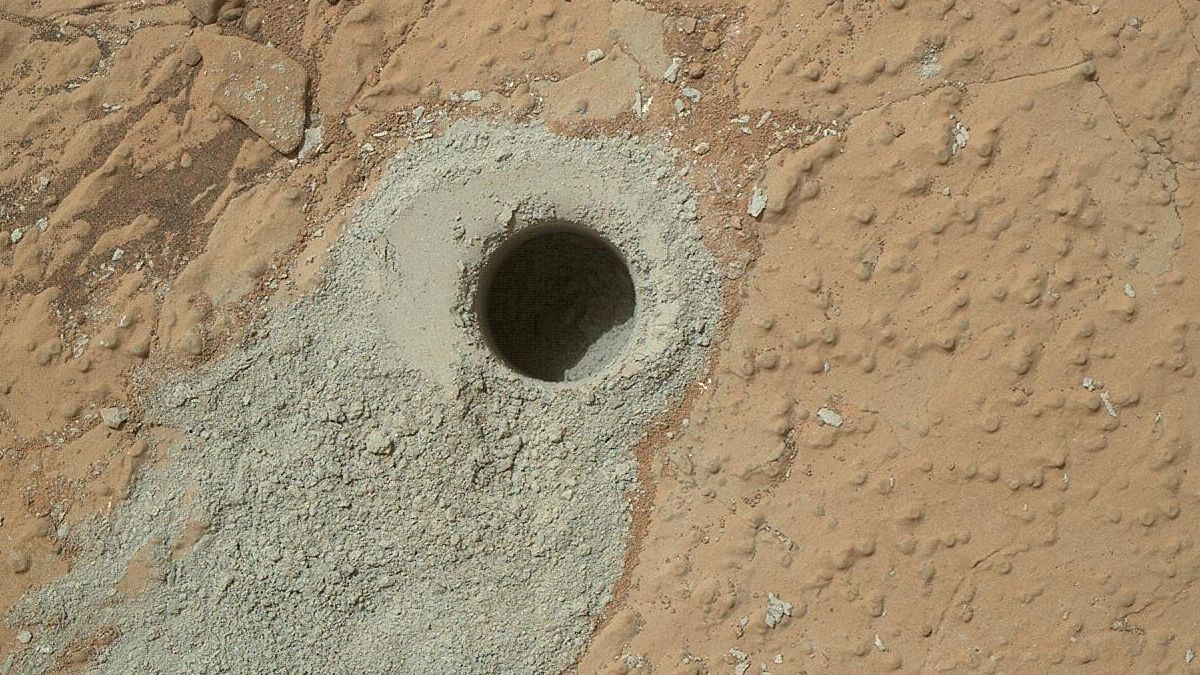
Scientists: Ancient Alkanes Found on Mars May Point to Possible Past Life
12 Feb. 14:35The Curiosity rover operated by NASA has detected long-chain organic molecules — alkanes containing 10 to 12 carbon atoms — within clay-rich rocks of Gale Crater. The findings were reported by Science Alert.
Current measurements show concentrations of about 30–50 parts per billion. However, further analysis suggests that the original abundance of these compounds may have been far greater, and explaining such levels without biological involvement appears extremely challenging.
On Earth, similar alkanes are typically associated with biological activity and linked to fatty acids. The molecules identified on Mars represent the largest organic compounds ever discovered there.
Researchers led by Alexander Pavlov from NASA’s Goddard Space Flight Center recreated Martian environmental conditions in laboratory experiments to study how radiation breaks down alkanes. Estimates indicate that the samples remained near the planet’s surface for roughly 80 million years, during which most organic material would have degraded. Computer simulations suggest the initial concentration of alkanes or their precursor substances may have ranged from 120 to 7,700 parts per million.
A review of known non-biological formation pathways showed that none can account for such high values. The team concluded that the observed concentrations are difficult to reconcile with purely abiotic processes. Still, the scientists caution that there is no direct proof of past life on Mars, and alternative explanations remain possible.
Also read



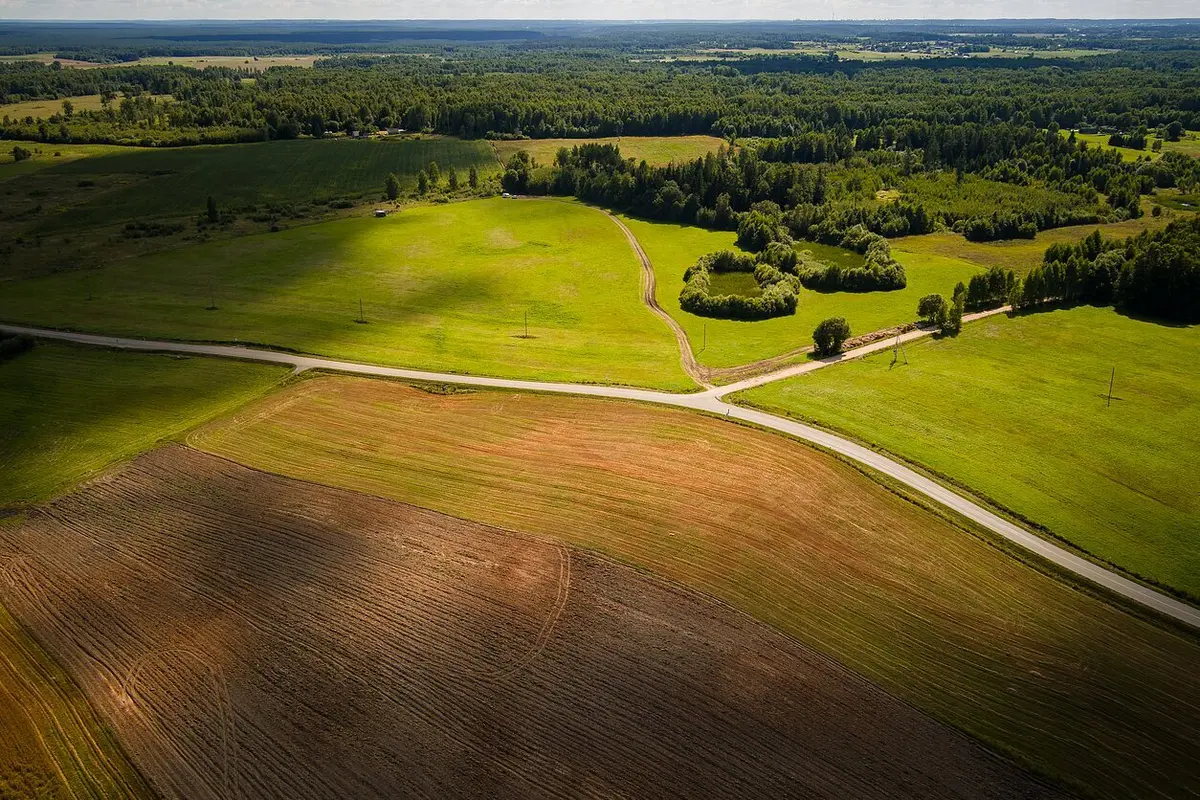
Seismic First: Scientists Officially Confirm Natural Earthquakes in Lithuania
10 Oct. 10:55The Geological Survey of Lithuania, supported by seismologists from the University of Helsinki, has officially confirmed the occurrence of natural tectonic earthquakes within the country’s borders for the first time. The seismic events, measuring 2.4 and 2.7 on the magnitude scale, occurred in western Lithuania near the Gargždai fault zone in December 2025. Furthermore, updated analysis of international seismic data allowed experts to reclassify a previously ambiguous 2015 tremor as a natural earthquake rather than human-induced activity.
Although the low-intensity quakes caused no structural damage or casualties, they mark the first instrumentally verified natural tectonic events recorded in modern Lithuanian history.
Also read



Blitz