
Playlist
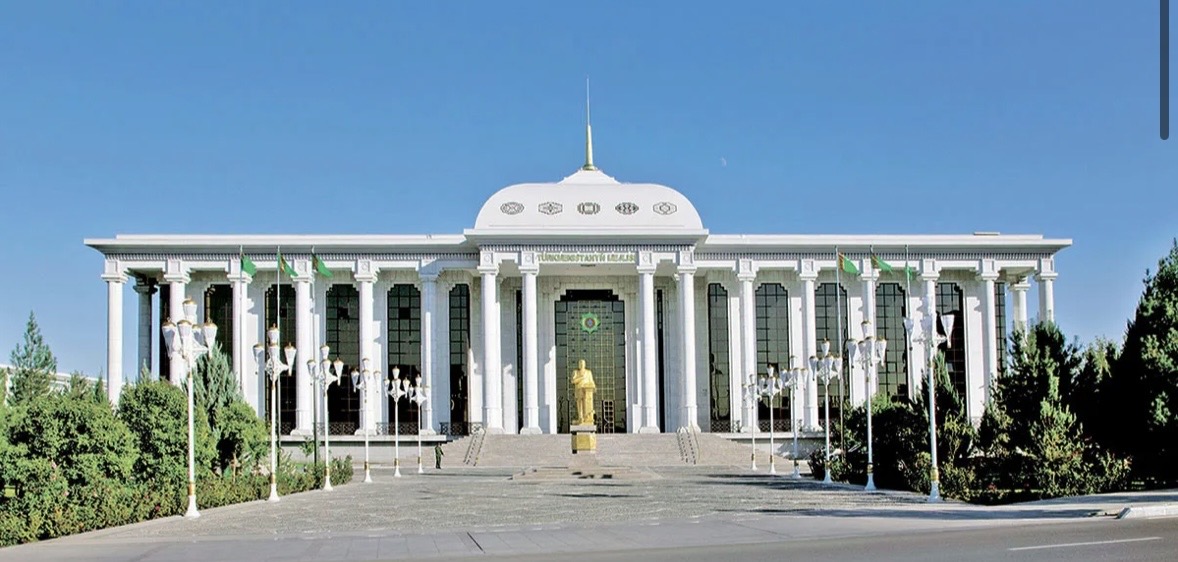
The National Parliament of Turkmenistan is set to convene for the twelfth session of the seventh convocation on April 11, 2026. This parliamentary assembly, scheduled to begin at 10:00 AM, will serve as a platform for discussing critical legislative updates and reviewing new draft laws. The session reflects the ongoing efforts to align the nation’s legal framework with its strategic development goals and international legal norms.
The agenda for the upcoming meeting includes a comprehensive review of legislative initiatives focused on social welfare, economic diversification, and the protection of civil liberties. Members of the Mejlis are expected to debate various regulatory acts aimed at fostering a more transparent and efficient administrative system. This legislative activity is a vital component of the country’s broader reform agenda, providing the necessary legal structure for national progress.
Key topics for discussion will also encompass amendments to existing statutes to better reflect contemporary socio-economic realities. Special emphasis will be placed on laws governing digital infrastructure, environmental protection, and international cooperation. These discussions are designed to ensure that Turkmenistan's legal system remains dynamic and responsive to both internal needs and global trends.
The convening of the Mejlis underscores the role of the legislature in maintaining institutional stability and promoting sustainable development. By finalizing new legal standards, the parliament contributes to the long-term prosperity and stability of the nation. The results of the session will be communicated through official channels, highlighting the key legislative achievements and their impact on society.
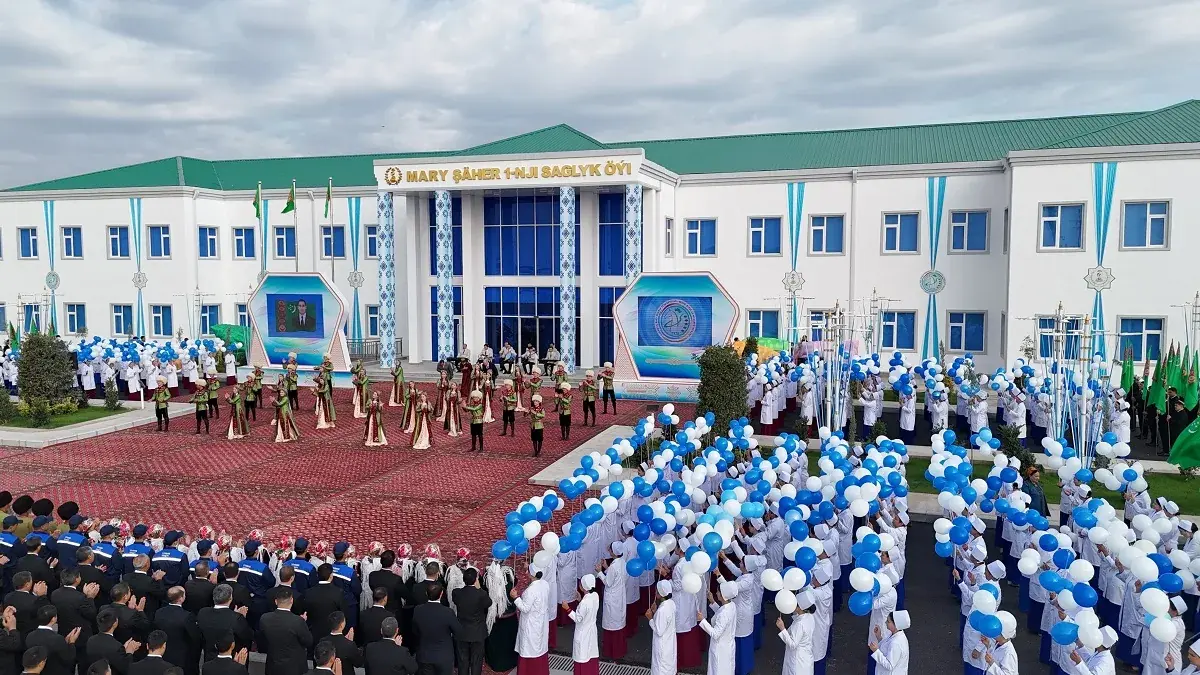
To mark the National Healthcare and Pharmaceutical Industry Workers' Day, Health Center No. 1 in Mary, located along Oguzkhan Street, was officially reopened following a comprehensive structural renovation. The inauguration ceremony brought together regional administration officials, members of parliament and the Halk Maslahaty, healthcare specialists, community elders, and local students. Festive musical and theatrical performances by cultural groups and young talents added to the celebratory atmosphere.
The newly reconstructed two-story medical complex is outfitted with state-of-the-art diagnostic and treatment rooms, family medicine suites, bacteriological and physiotherapy departments, as well as specialized laboratories. Equipped with advanced European medical technology, the center offers a full suite of services including ultrasound, echocardiography, electrocardiography, and endoscopy.
The renovation project was successfully carried out by the local private construction enterprise "Yhlasa Ynam." During the official ceremony, outstanding construction workers were awarded valuable commemorative gifts presented on behalf of the President of Turkmenistan.
Additionally, to boost mobile diagnostic capabilities in the region, a fully equipped "Mercedes-Benz" mobile medical unit featuring digital X-ray and fluorography technology was officially presented to the health center on behalf of the Head of State.
Blitz