
Playlist
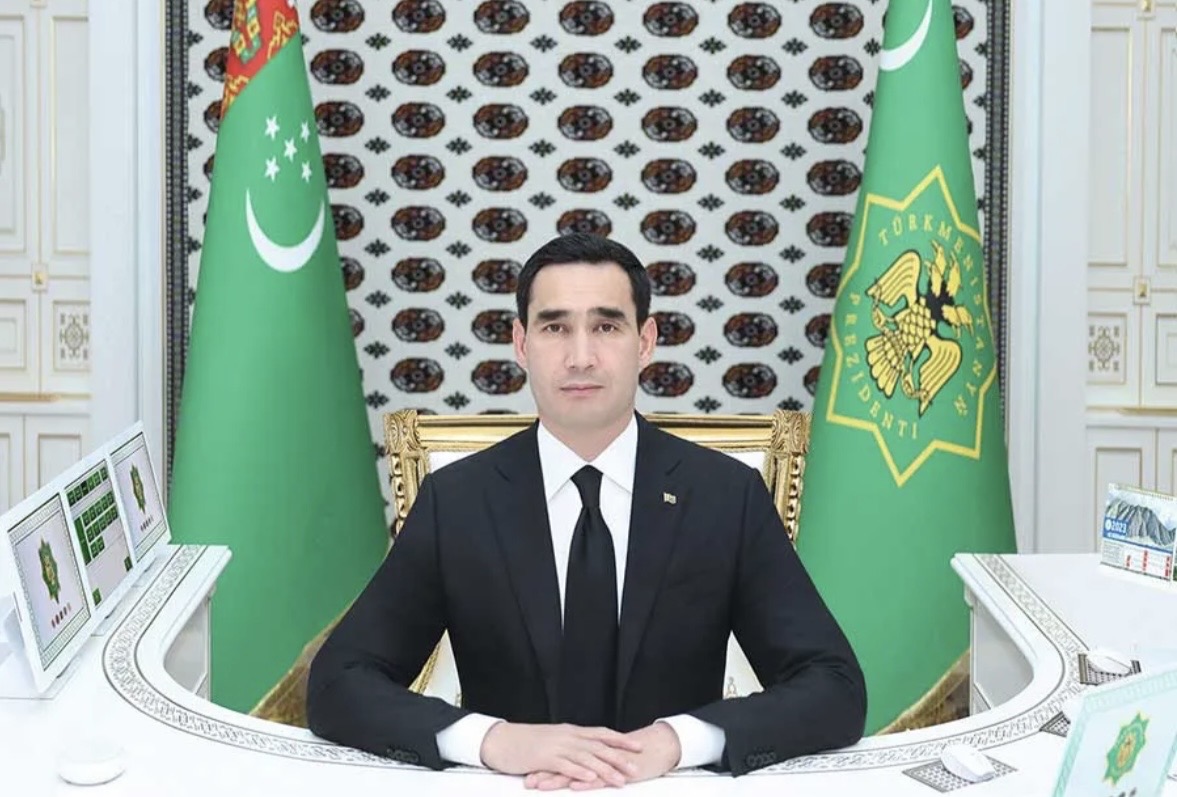
President of Turkmenistan Greets Delegates of the 84th CIS Railway Transport Council Meeting
13 May. 17:23President Serdar Berdimuhamedov extended a warm welcome to the participants of the 84th International Meeting of the CIS Railway Transport Council, held in Ashgabat. In his message, the President emphasized Turkmenistan's proactive role in shaping a modern global transport architecture through initiatives presented at the United Nations. He noted that the country's strategic efforts are focused on developing sustainable and resilient transit corridors that benefit the international community as a whole.
The Presidential address highlighted the global recognition of Turkmenistan’s diplomatic efforts, specifically the UN General Assembly's adoption of the "Decade of Sustainable Transport" for 2026–2035. The Head of State recalled that the UN also officially established November 26 as World Sustainable Transport Day following Turkmenistan's proposal. These milestones underscore the nation's leadership in advocating for integrated logistics systems that promote regional and global economic stability.
The message provided an overview of major infrastructure projects completed during the years of independence, including international rail links connecting Turkmenistan with Iran, Kazakhstan, and Afghanistan. The President pointed out that key structures, such as the bridges over the Amu Darya and the North-South railway lines, have significantly boosted the transit capacity of Central Asia. The modernized domestic rail network serves as a vital component in connecting Eastern and Western markets through highly efficient routes.
A significant portion of the greeting was dedicated to the expansion of multimodal transit corridors, such as the Lapis Lazuli route and the TRACECA corridor. President Berdimuhamedov reaffirmed Turkmenistan's commitment to activating the transit line linking the Asia-Pacific region to Europe via Central Asia and the Caucasus. Closing his address, the President expressed confidence that the meeting in Ashgabat would foster stronger cooperation among CIS railway administrations and wished the delegates success in their endeavors.
Also read
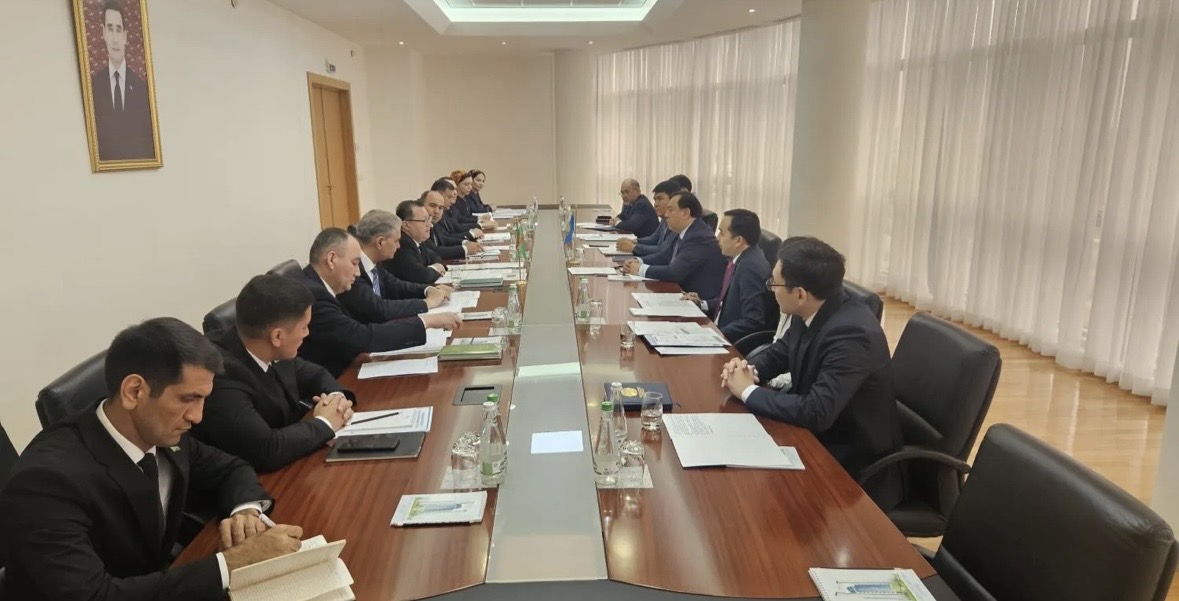
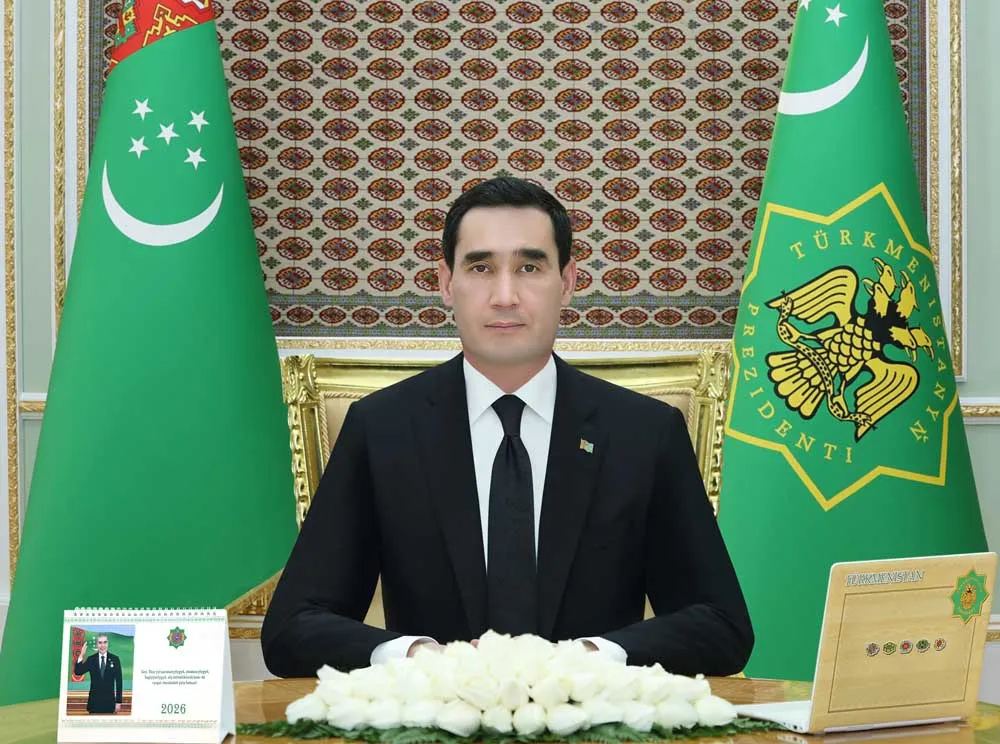
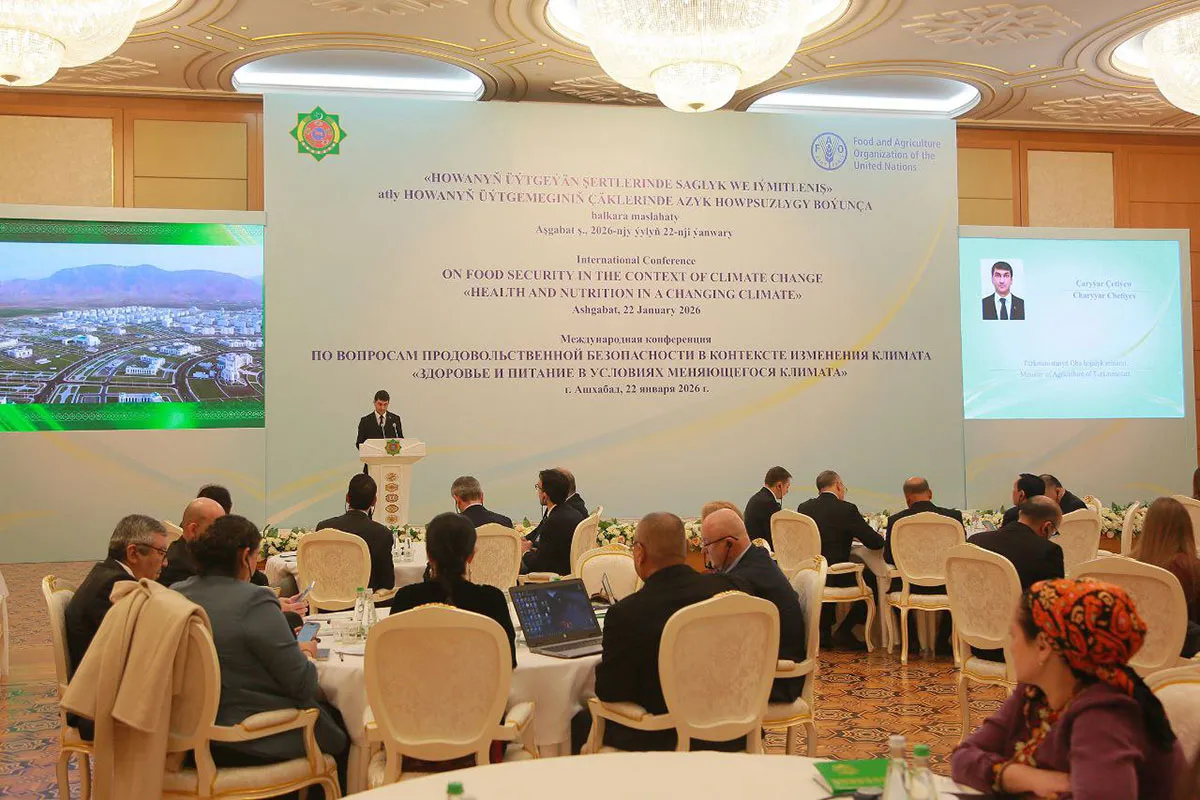
Solar Mini-Grids to Power Remote Communities Across Turkmenistan Under New Four-Million-Dollar UNDP Initiative
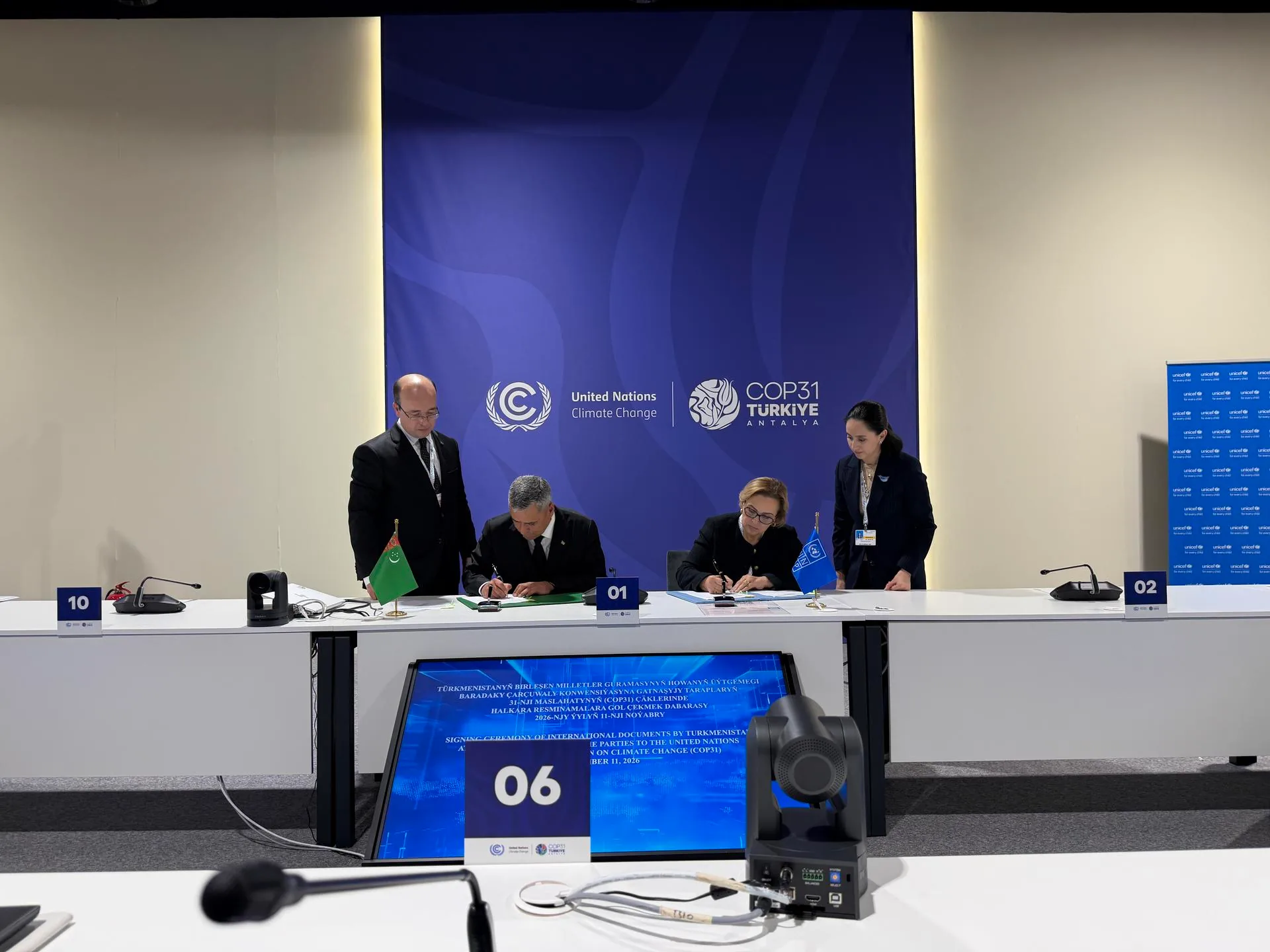
13 Nov. 14:30Following the landmark climate agreements signed on the sidelines of the COP31 conference in Antalya, the United Nations Development Programme (UNDP) has unveiled comprehensive details regarding its upcoming clean energy partnership with the Government of Turkmenistan. Backed by a Global Environment Facility (GEF) grant exceeding 4.17 million US dollars, the five-year project titled "Supporting Energy Transition for Remote Settlements of Turkmenistan" will be executed by the United Nations Office for Project Services (UNOPS) in close coordination with Turkmenistan's Ministry of Environmental Protection and Ministry of Energy.
A central pillar of the initiative involves installing and commissioning up to ten pilot solar mini-power plants with a combined capacity of up to 2 MW in isolated communities that currently rely heavily on diesel generators for electricity. These demonstration facilities will showcase the viability of solar power across Turkmenistan's remote regions and establish a blueprint for broader clean energy adoption. Building upon the operational experience gained from these initial sites, experts will conduct feasibility assessments and prepare tailored technical solutions for potentially deploying solar energy systems in an additional 120 remote settlements.
Beyond physical infrastructure, the project focuses on strengthening the regulatory and institutional framework for renewable energy, training local specialists, and expanding domestic technical expertise. UNDP Resident Representative in Turkmenistan Narine Sahakyan noted that expanding access to reliable, clean electricity significantly enhances community resilience and human well-being—particularly for women and vulnerable groups—by translating national ambitions into tangible investments. The program directly supports Turkmenistan's National Strategy for the Development of Renewable Energy through 2030, advancing the country's commitments under the Paris Agreement and the United Nations Sustainable Development Goals.
Blitz