
Playlist
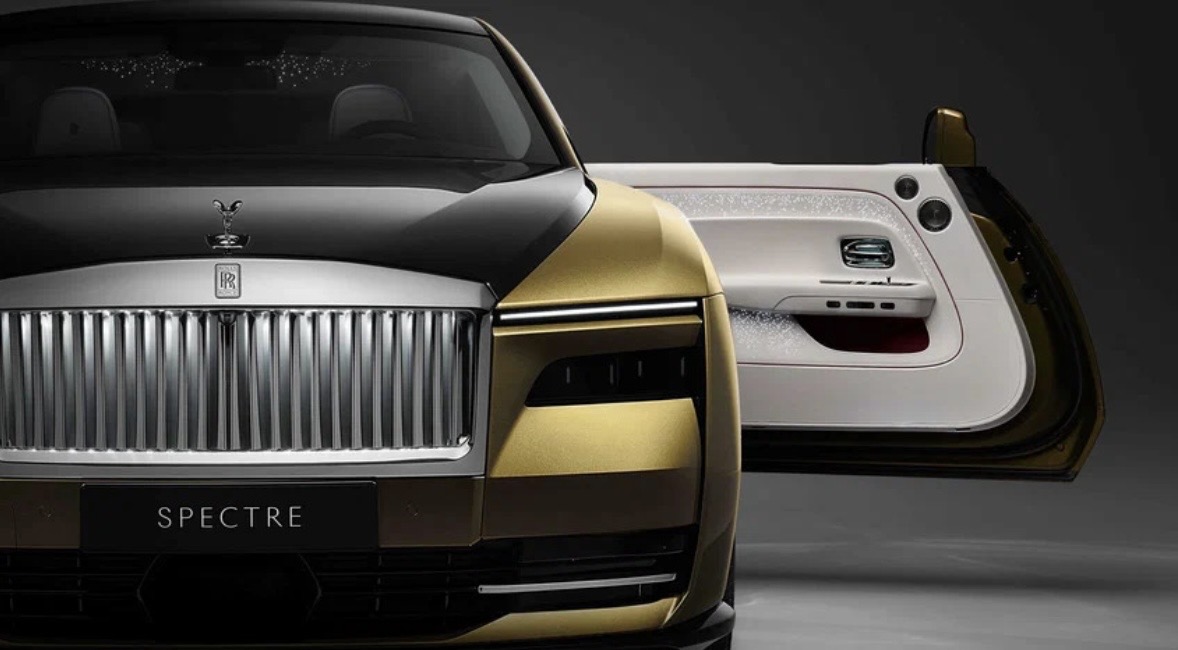
Rolls-Royce has officially pulled back from its plan to become a fully electric brand by 2030. CEO Chris Brownridge confirmed the shift in strategy to Motor1, stating that the company will continue to offer internal combustion engines alongside its electric models. This strategic pivot highlights a broader trend in the luxury automotive sector, where wealthy consumers remain deeply attached to the performance and prestige of traditional high-capacity engines.
According to Brownridge, the decision was heavily influenced by customer feedback and market analysis. The company observed that while some clients are enthusiastic about electric propulsion, an equal number remain uninterested in switching to EVs. In the premium segment, the "one-size-fits-all" approach to electrification appears to be facing resistance, prompting Rolls-Royce to maintain a more balanced portfolio to satisfy its diverse global clientele.
Moving forward, Rolls-Royce plans to continue investing in its iconic V12 engine, refining it to meet increasingly stringent global emissions standards. The V12 has long been the hallmark of the brand, providing the effortless power and refinement that customers expect from a Rolls-Royce. This move aligns with BMW’s recent announcement to keep the V12 alive through technical adaptations, ensuring that the legendary power plant remains available for the foreseeable future.
Meanwhile, the performance of the brand's first all-electric model, the Spectre coupe, provides a mixed outlook. Although it had a strong launch, sales saw a decline, with just over a thousand units sold in 2025. Interestingly, the Spectre is still slightly outselling the gasoline-powered Ghost model, suggesting that there is a dedicated market for electric luxury, albeit not large enough to warrant a total abandonment of combustion engines. Consequently, Rolls-Royce will pursue a multi-pathway strategy, prioritizing customer choice over a mandatory electric deadline.
Also read


On-the-Go Power: Japanese Engineers Develop Wireless In-Road Charging for Electric Vehicles
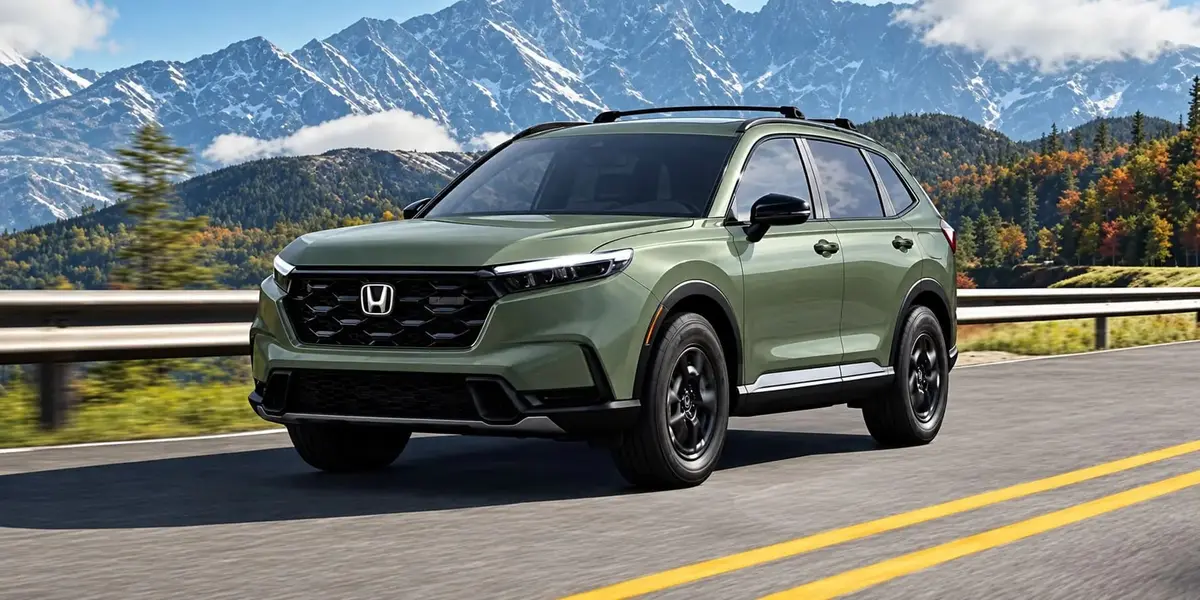
10 Oct. 08:10In a major leap for electric mobility, Honda R&D, alongside Taisei Corporation and Taisei Rotec, has unveiled an innovative dynamic wireless charging system that charges electric vehicles as they drive. By embedding compact energy-transmitting modules directly into the road surface, the system transfers power via a magnetic field to receivers mounted underneath moving vehicles. Designed to withstand heavy commercial transport up to 20 tons, real-world road testing is scheduled to begin in Japan in April 2027.
The technology eliminates the need for full road reconstruction, as modules can be integrated directly into milled asphalt layers. Aimed at boosting charging power up to 150 kW in future iterations, this infrastructure solution promise to significantly reduce grid pressure on traditional charging stations, particularly for logistics and commercial fleets.
Blitz