
Playlist
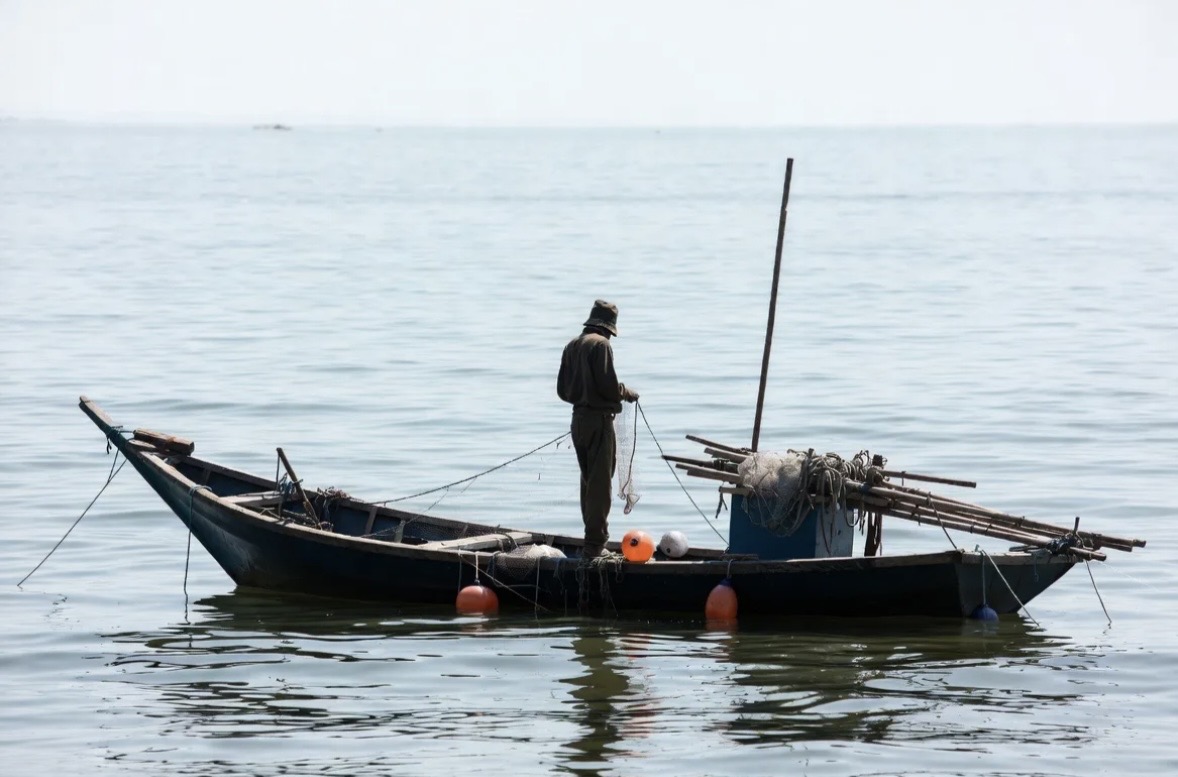
Minimum Safe Manning Requirements Established for Turkmenistan's Fishing Fleet
03 Apr. 07:46Turkmenistan has formally implemented new regulations establishing the minimum crew requirements for its commercial fishing vessels. The directive, issued by the Ministry of Finance and Economy, was officially registered by the Ministry of Justice in March 2026. These standards are designed to enhance operational safety and ensure that all vessels are adequately staffed for maritime activities.
The regulatory framework is aligned with the National Merchant Shipping Code and categorizes staffing levels based on a vessel's gross tonnage. For instance, vessels starting at 500 register tons are mandated to carry a minimum of 13 crew members. This scale increases to 16 personnel for larger vessels exceeding 6000 register tons, ensuring that the labor force is proportionate to the ship's size and technical complexity.
The mandatory crew structure includes essential roles such as the captain, deck officers, engineers, and support staff including cooks and stewards. While the regulations specify the need for dedicated radio operators, they also provide flexibility for specific navigation conditions. In coastal waters within 20 nautical miles, the number of watchkeeping personnel may be reduced, and radio duties may be assumed by the captain if they hold the requisite certifications.
Oversight of these new manning standards has been assigned to the Deputy Minister of Finance and Economy and regional authorities in the Balkan Province. Furthermore, the regulation was developed in consultation with the National Center of Trade Unions of Turkmenistan, ensuring that the new operational requirements also uphold the rights and welfare of maritime workers.
Also read



A rye-wheat loaf preserved in a freezer for 36 years has been put on public display as part of the permanent exhibition at the Deutschlandmuseum in Berlin. Dubbed "The Last Loaf of the GDR," it was originally purchased on June 26, 1990, by student Michael Hagedorn, who bought an extra loaf fearing potential food shortages amidst the economic unification of East and West Germany.
The museum's director, Robert Rückel, described the unusual artifact as a unique poignant symbol of everyday human decisions during times of monumental geopolitical change. To maintain its preserved state, the museum installed a custom refrigeration unit where the historical loaf remains permanently frozen for visitors to view.
Blitz