
Playlist
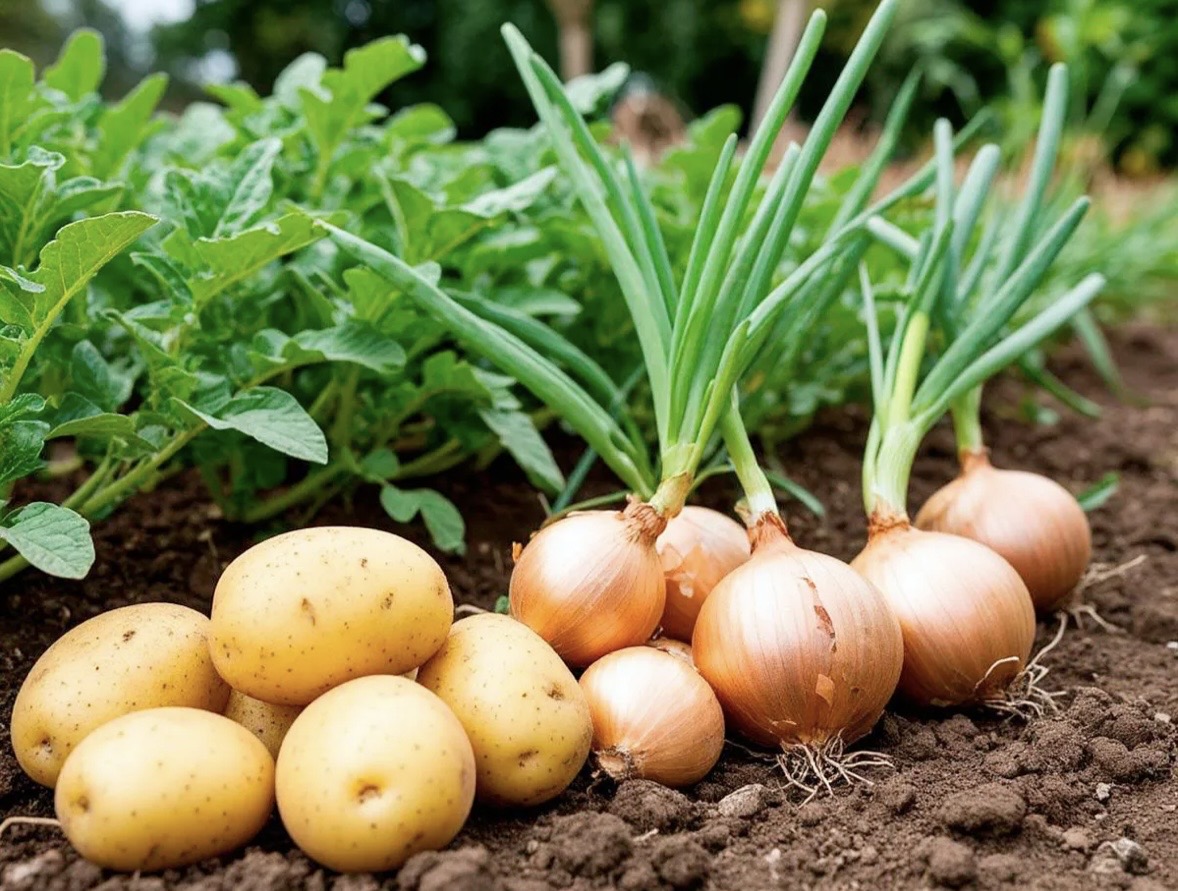
In 2026, the Lebap province is poised to achieve significant agricultural output, specifically focusing on the production of essential vegetable crops. A total of 1,400 hectares have been dedicated to spring potato cultivation, with an ambitious production target of 19,600 tons. Local farmers are currently implementing rigorous agrotechnical standards to ensure that every hectare yields the maximum possible result, contributing to national food self-sufficiency.
Regional production data indicates a strategic distribution of cultivation areas across several districts. The Charjew district leads with 380 hectares, followed closely by Danew, Sayat, and Kerki districts. To reach the target yield of 140 centners per hectare, farmers are prioritizing systematic irrigation and the application of organic and mineral fertilizers. These efforts are part of a broader regional strategy to optimize land use and enhance the efficiency of the vegetable farming sector.
In addition to potatoes, the eastern region has intensified its onion production, with 900 hectares currently under cultivation. The goal is to produce 22,500 tons of spring onions, maintaining a high productivity rate of 250 centners per hectare. The Dovletli and Charjew districts are the primary contributors to this sector, focusing on modern farming techniques to boost crop resilience and quality during the spring season.
These agricultural initiatives in Lebap are vital for maintaining price stability and ensuring a consistent supply of fresh produce in domestic markets. By combining traditional farming wisdom with modern technical support, the region's agricultural workers are effectively increasing the volume of locally grown vegetables. This sustained focus on productivity highlights the province's crucial role in the sustainable development of Turkmenistan's agro-industrial complex.
Also read



Ecological Shift: Golden Jackals Pro Projected to Inhabit 75% of the European Continent
Today in 06:53Once restricted mainly to the Balkans and the Black Sea coastal regions, golden jackals are rapidly expanding their footprint across Europe. According to a landmark study by an international research team published in Nature Ecology & Evolution, these adaptable predators could eventually inhabit up to 75% of the European continent—nearly a sixfold expansion from their historical range. Scientists arrived at these conclusions after monitoring nearly 9,000 sampling sites across multiple European nations.
Recent sightings and acoustic tracking confirm that jackals have established populations in the Czech Republic, the Baltic region, and even Scandinavia. The species thrives in areas with mild winters, mixed agricultural landscapes, and proximity to water sources. Regional climate warming has transformed previously uninhabitable northern areas into suitable habitats, while farming landscapes offer abundant food sources and coverage.
Biologists attribute this unprecedented expansion primarily to the historical decline of wolf populations, which naturally suppress jackal numbers and limit their movement. Smaller than wolves but slightly larger than foxes, jackals feed on small rodents, carrion, plants, and fruits. Their high ecological adaptability allows them to settle efficiently into newly colonized territories without human interference.
However, their entry into Western and Southern Europe, including countries like France and Spain, poses potential ecological consequences. Environmentalists warn that the arrival of jackals could disrupt local ecosystems and threaten endangered ground-nesting steppe birds and smaller wildlife across the Iberian Peninsula.
Blitz