
Playlist
International Dialogue and Innovation: Turkmenistan Delegation Explores U.S. Best Practices in Intellectual Property Protection
12 Sep. 18:55As part of the prestigious International Visitor Leadership Program (IVLP) professional exchange initiative, sponsored by the U.S. Department of State’s Bureau of Educational and Cultural Affairs, an official delegation from Turkmenistan undertook a comprehensive working visit to the state of North Carolina. Bringing together leading experts and government representatives—including officials from the State Service for Intellectual Property of the Ministry of Finance and Economy, the Cabinet of Ministers, and the private sector—the delegation engaged in a series of strategic meetings focused on strengthening international cooperation in patent law, innovation, and research commercialization.

The visit began with a deep immersion into American cultural and historical heritage.

In the opening days, the Turkmen delegation attended the annual “Old-Fashioned Farmers’ Days” agricultural heritage festival in Chatham County, exploring traditional farming practices and historic craftsmanship.

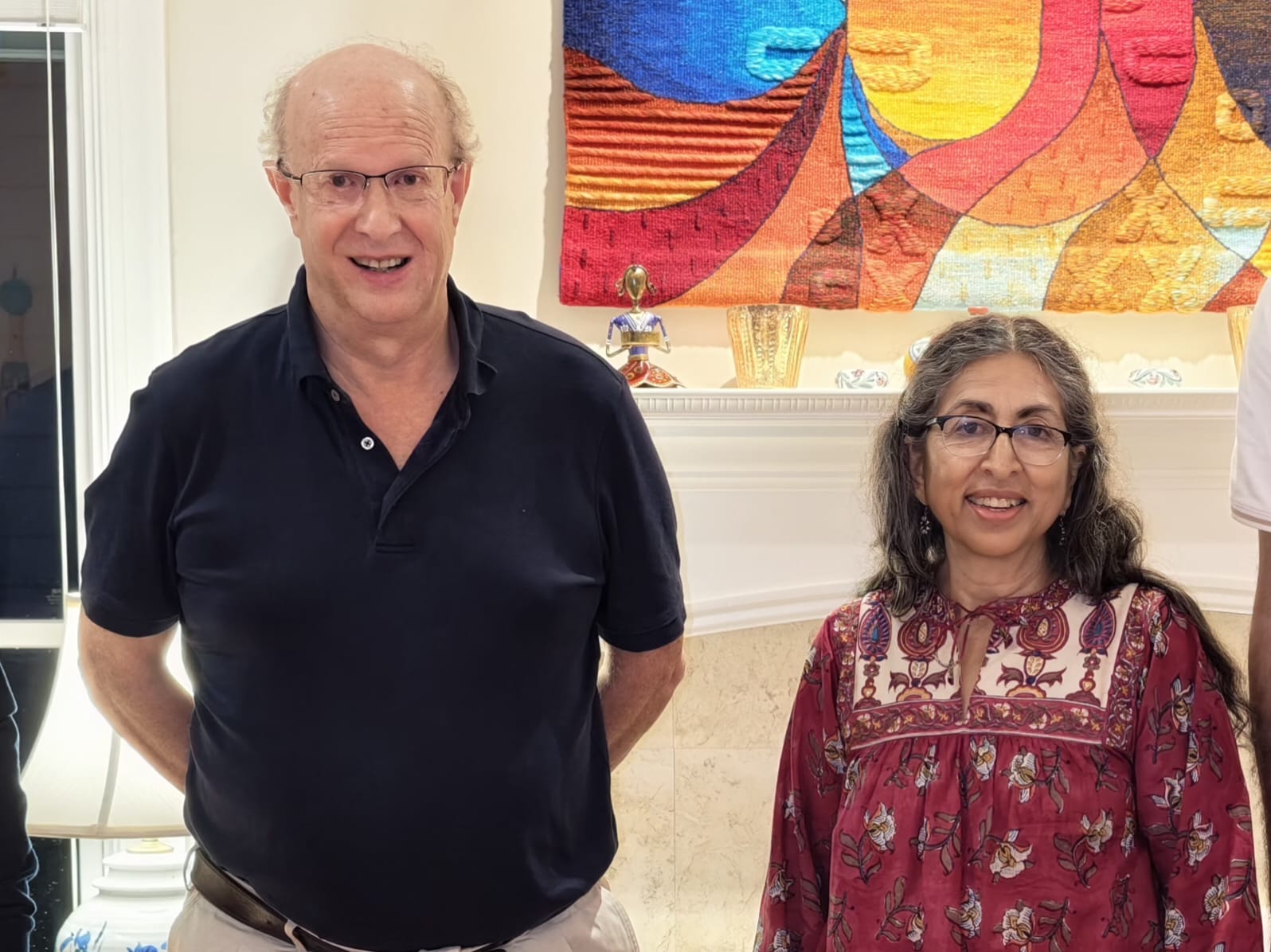
A cornerstone of cultural engagement was the “Dinner Diplomacy” program, which welcomed the delegates into local American homes for warm, informal discussions and cross-cultural exchange.
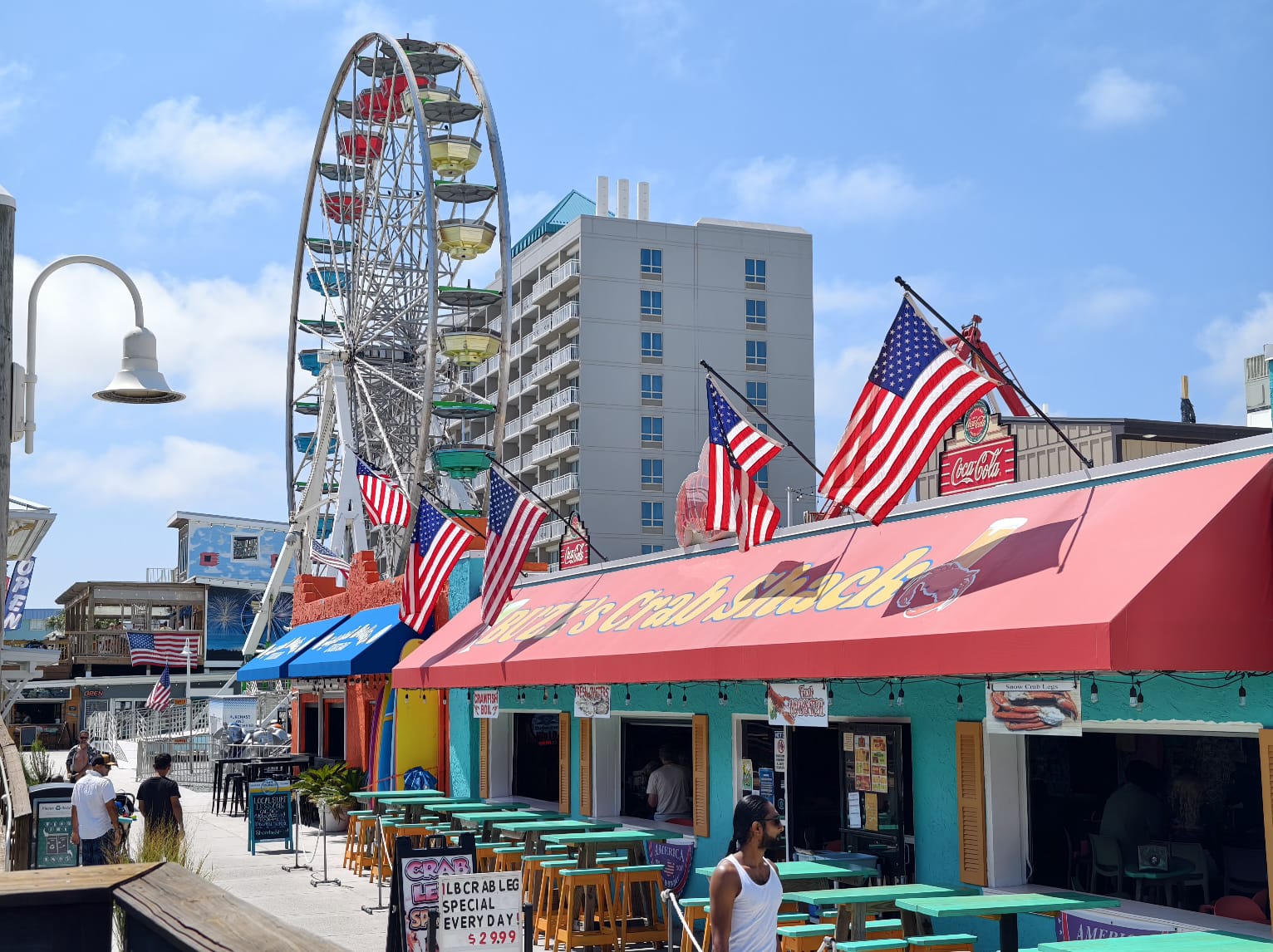
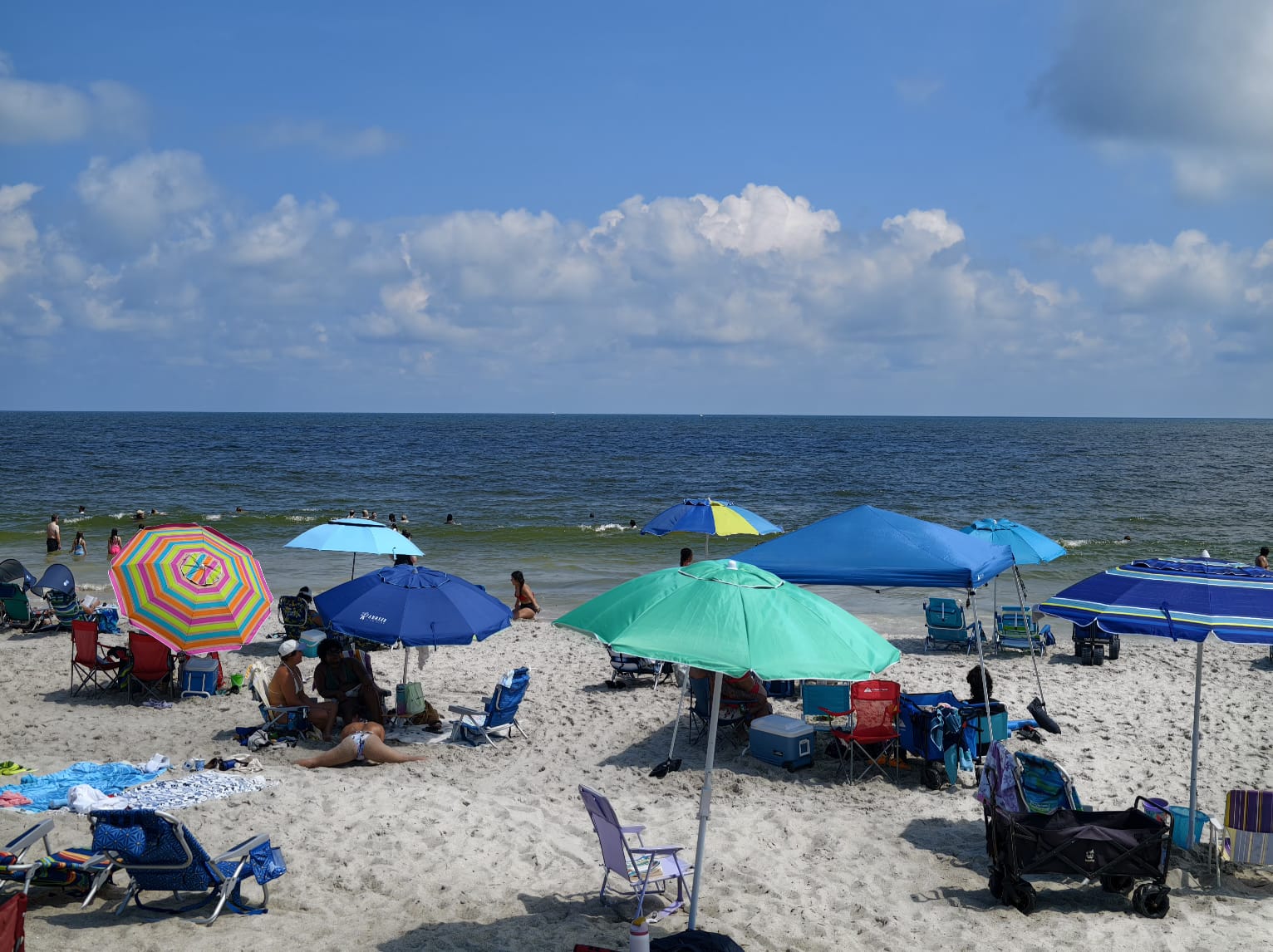
Additionally, the delegation traveled to the Atlantic coast to visit the historic port city of Wilmington, walking along the scenic Cape Fear Riverwalk and touring the 19th-century architectural landmarks.
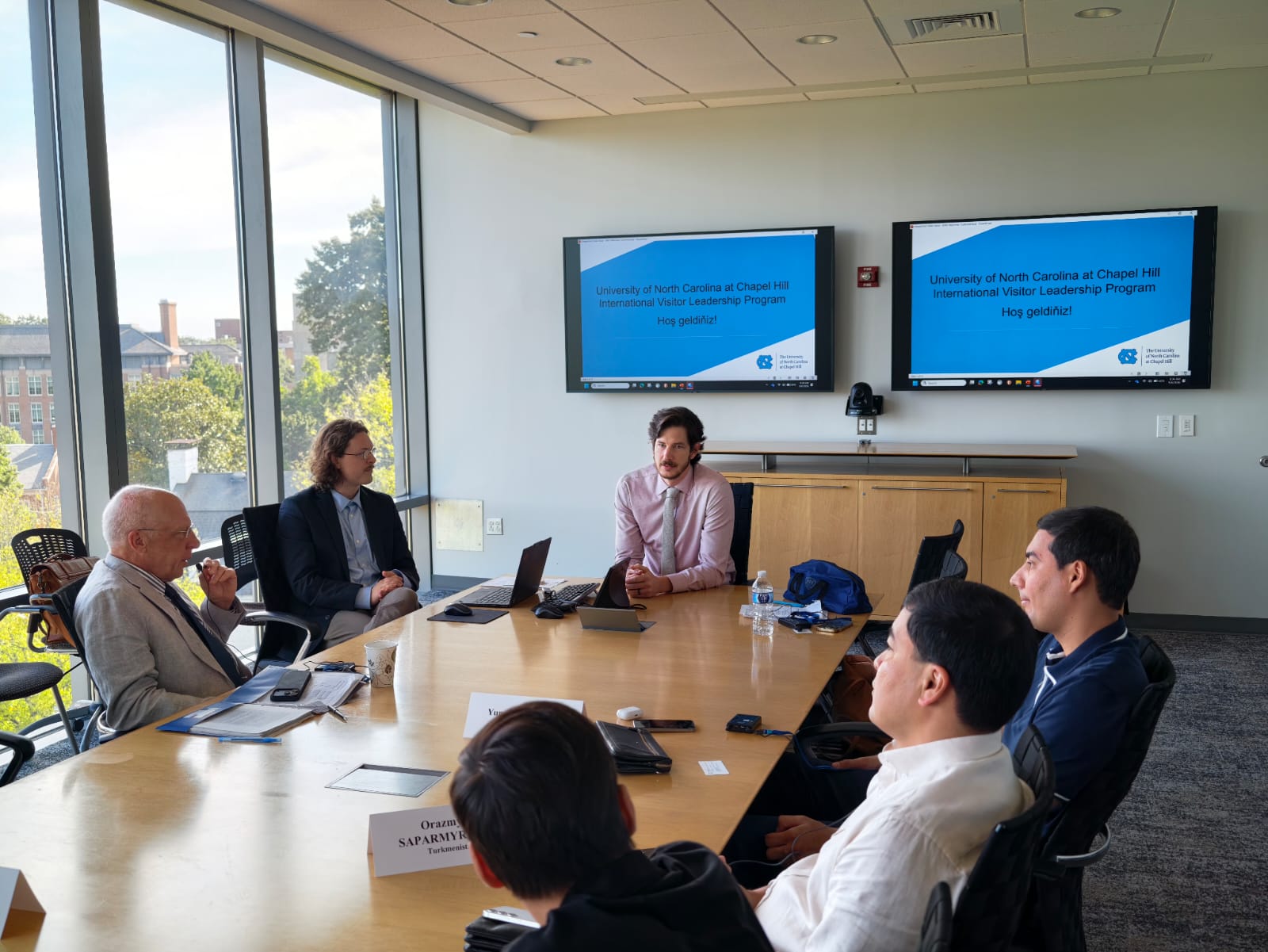
The professional agenda commenced at the University of North Carolina at Chapel Hill (UNC).
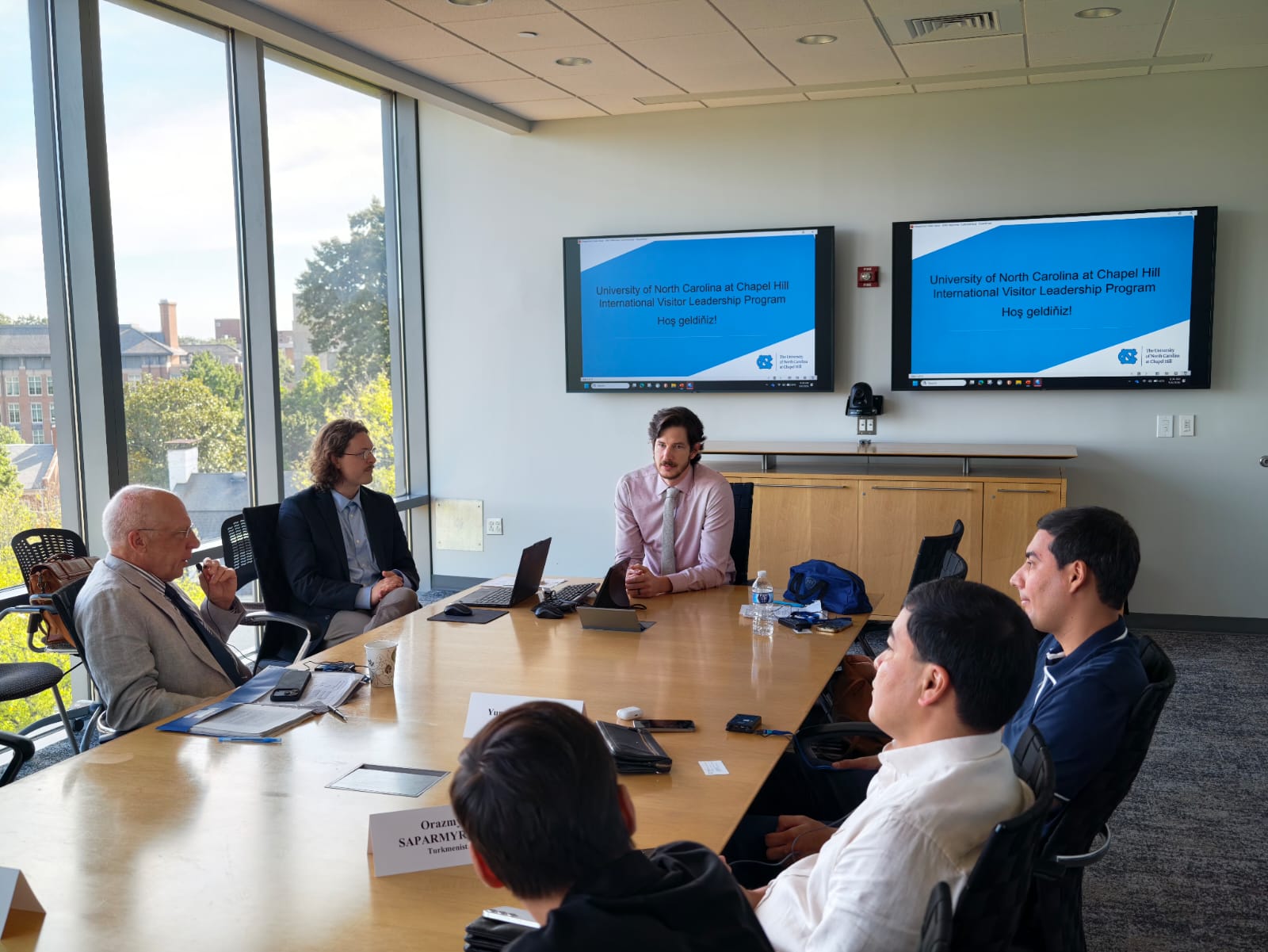
At the Office of the Vice Chancellor for Research, delegates met with Timothy Rose, Associate Director for Exchange and Sponsored Programs, and Quinton Johnson, Assistant Vice Chancellor for Research Compliance, to discuss vital compliance policies safeguarding federally funded research from foreign interference and unauthorized technology transfer.
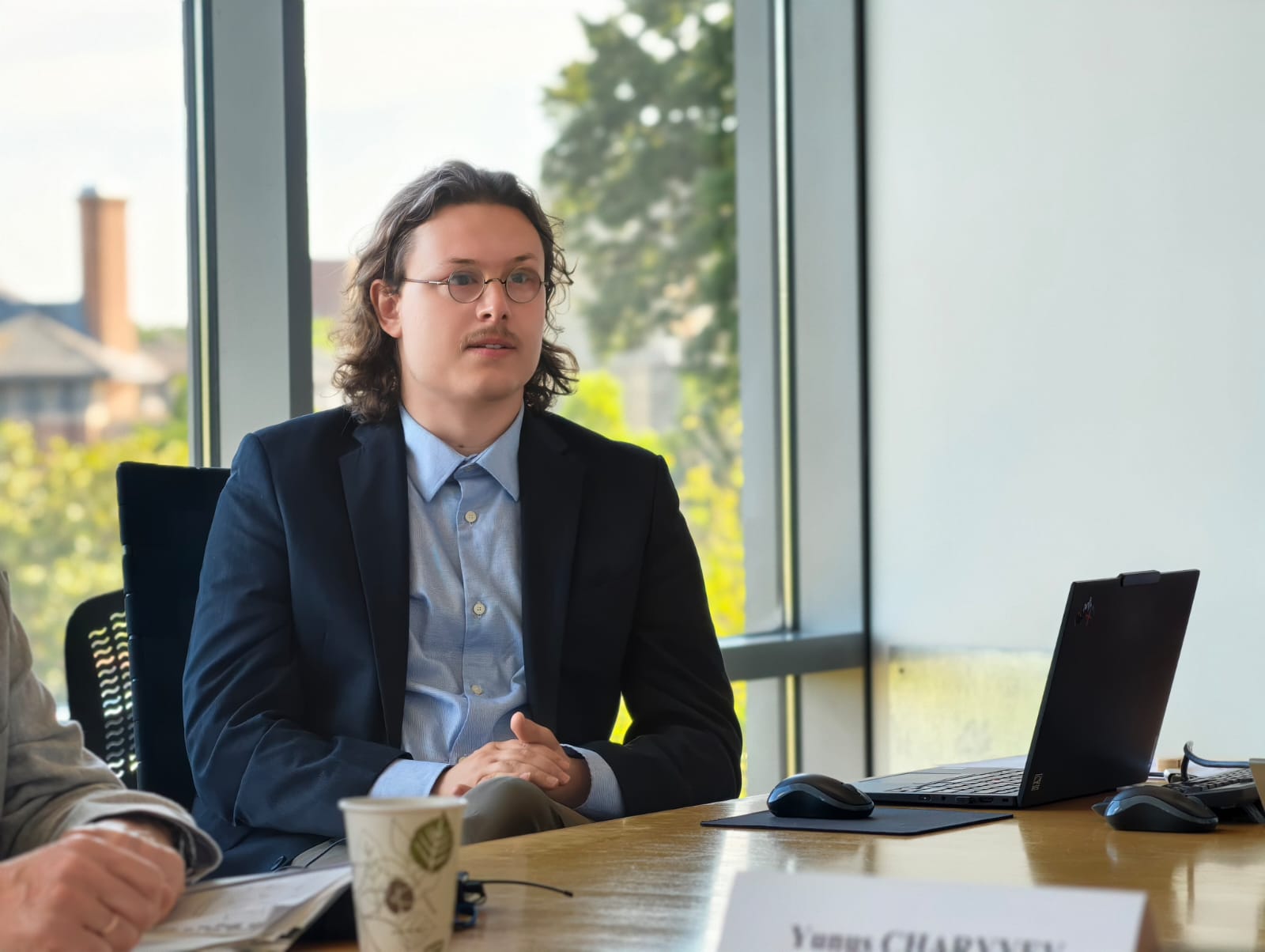
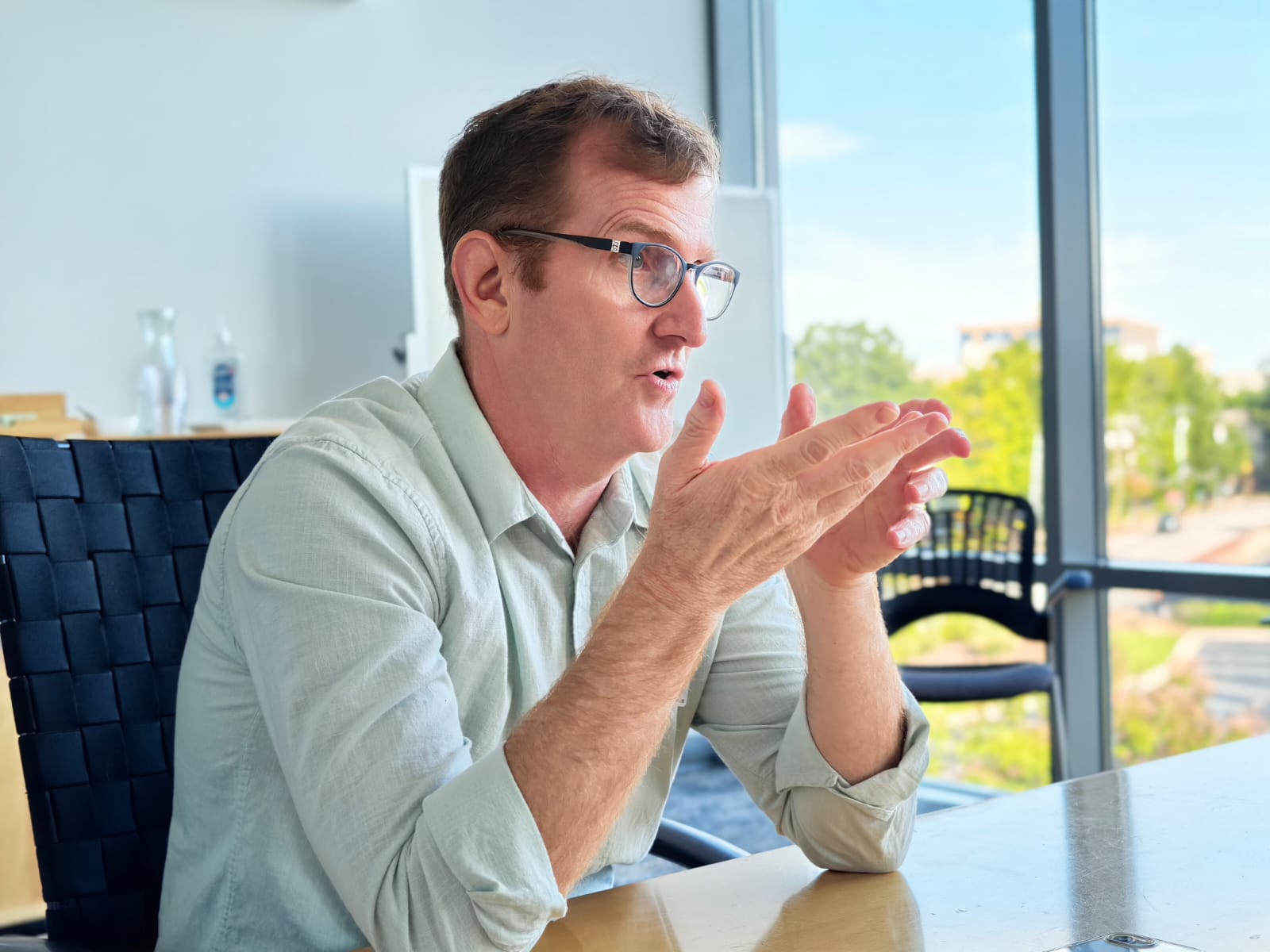
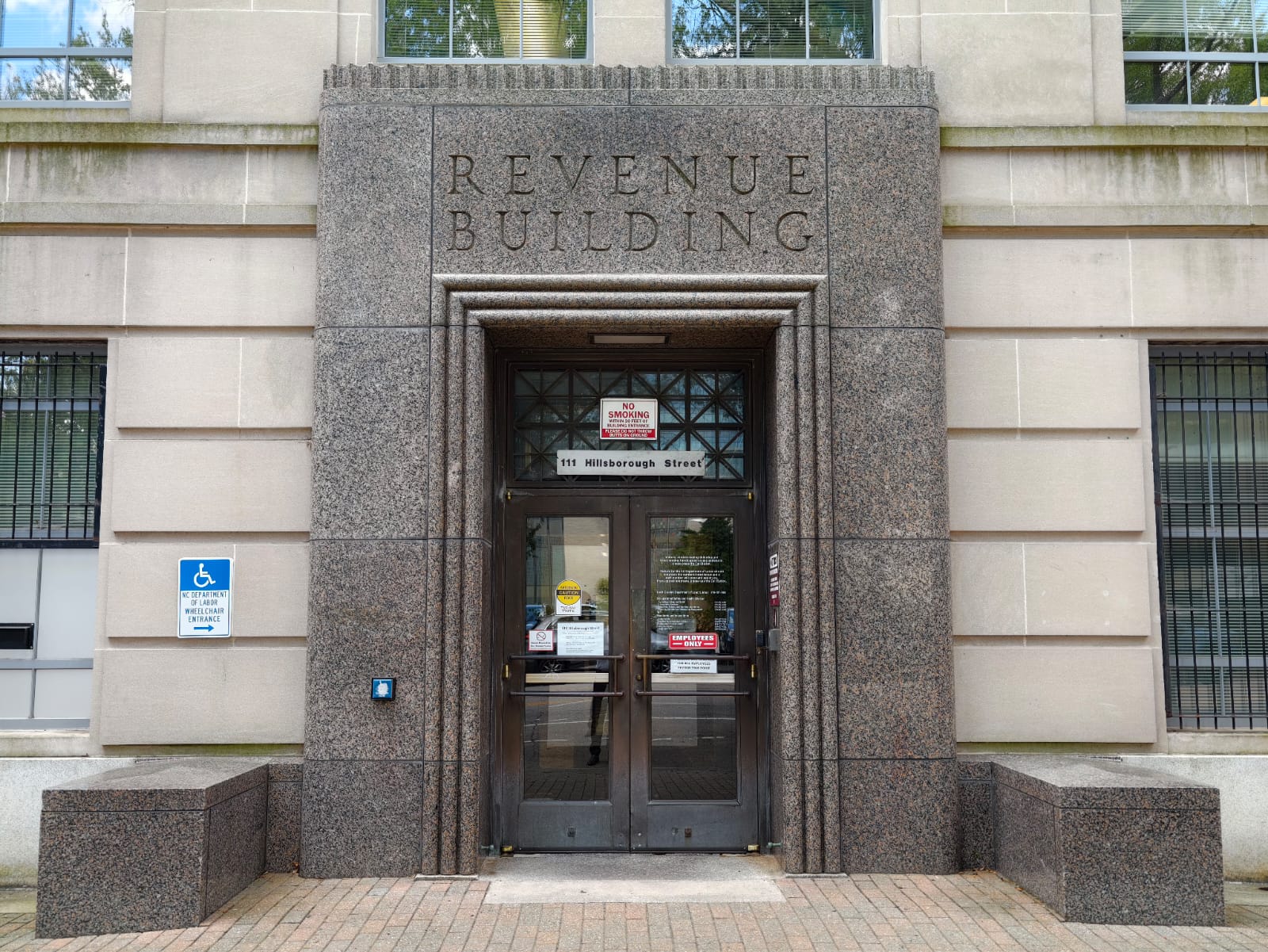
Continuing their exploration of regulatory frameworks, the delegation visited the North Carolina Secretary of State’s Office to examine state-level business registration, trademark protection, and anti-counterfeiting enforcement.
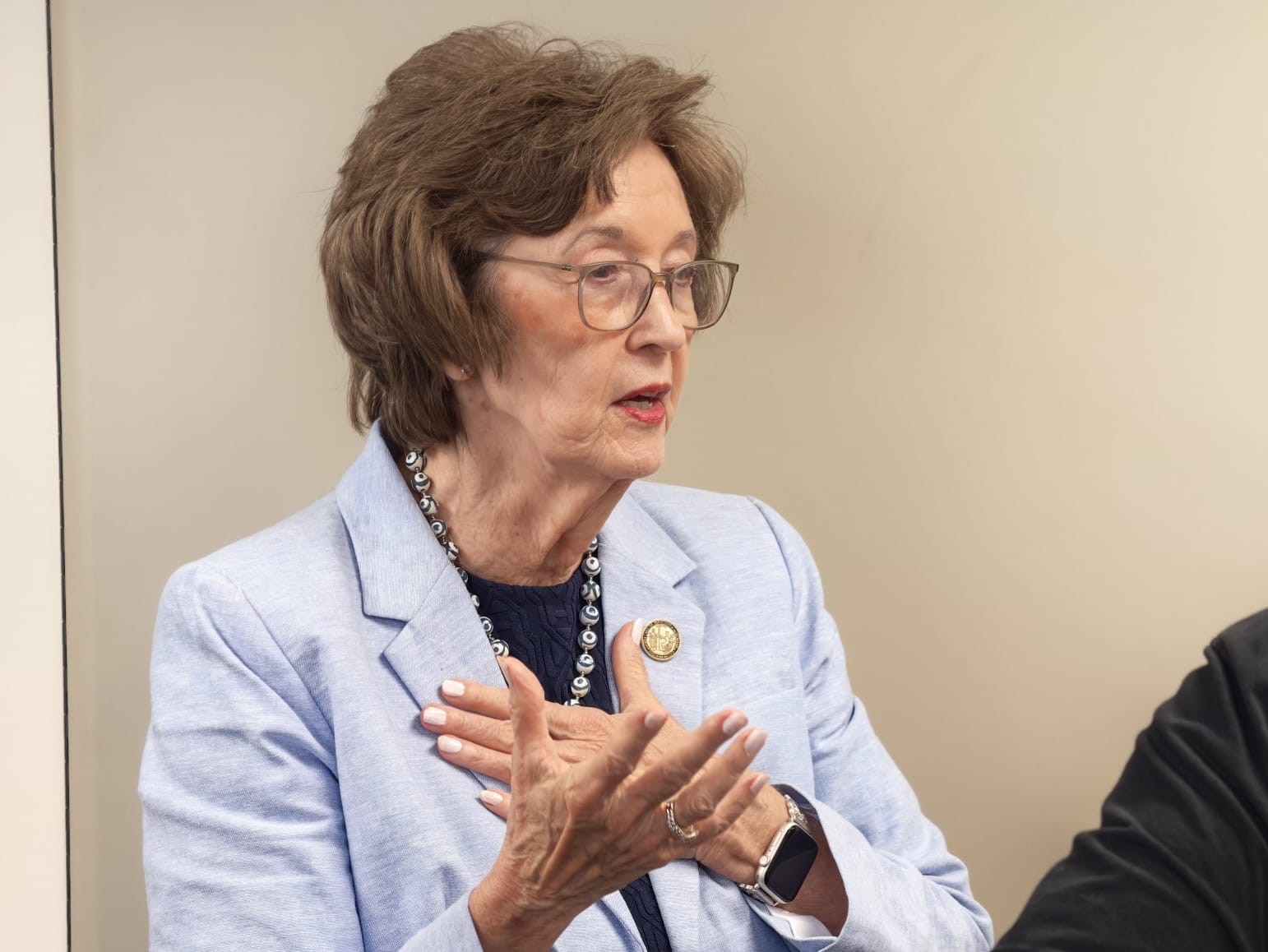
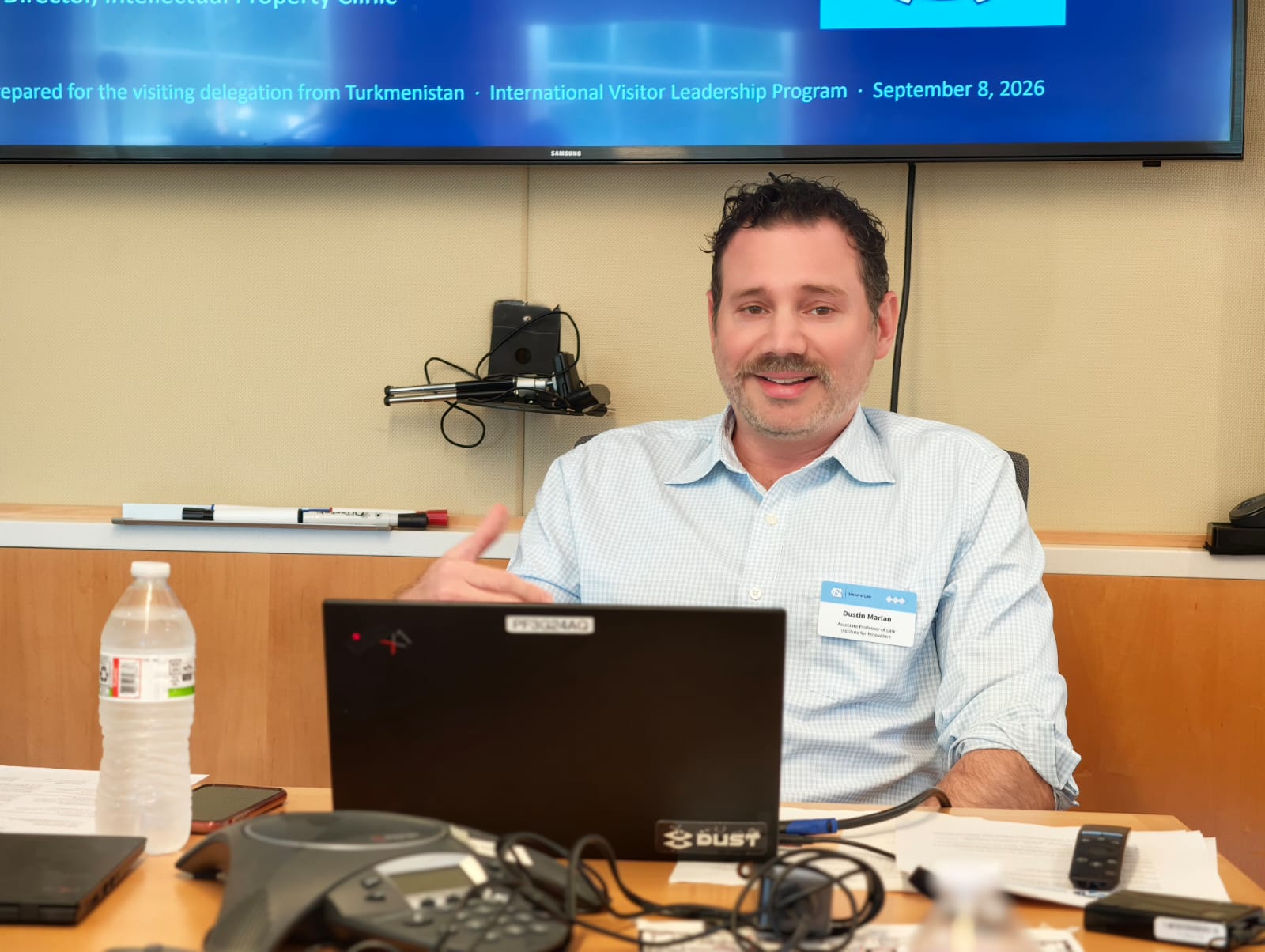
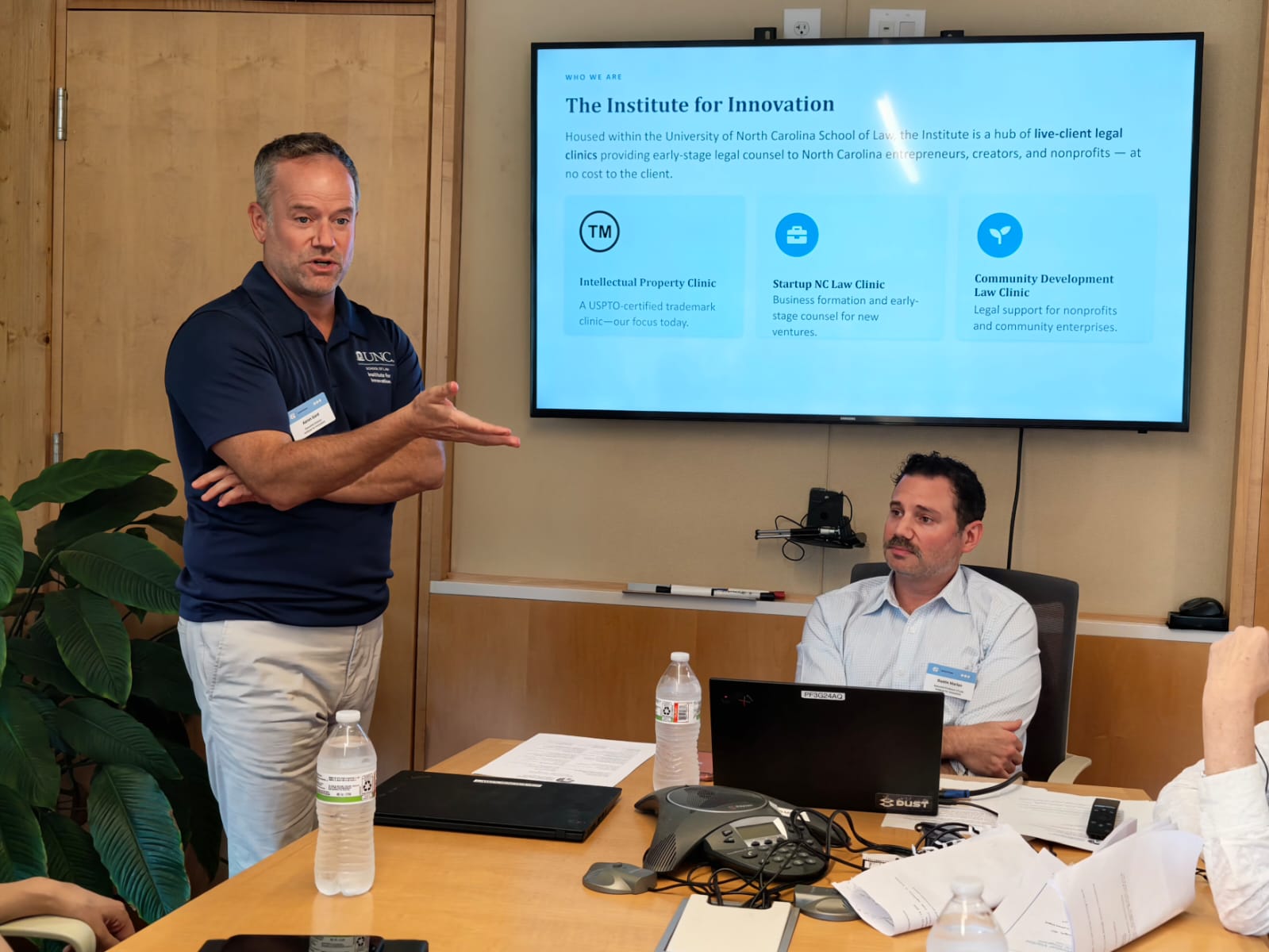
Significant insights were gained during a visit to the UNC School of Law, where Dustin Marlan, Director of the Intellectual Property Clinic and Institute for Innovation, detailed the practical training of future legal professionals and the provision of early-stage legal counsel to startups and small businesses.
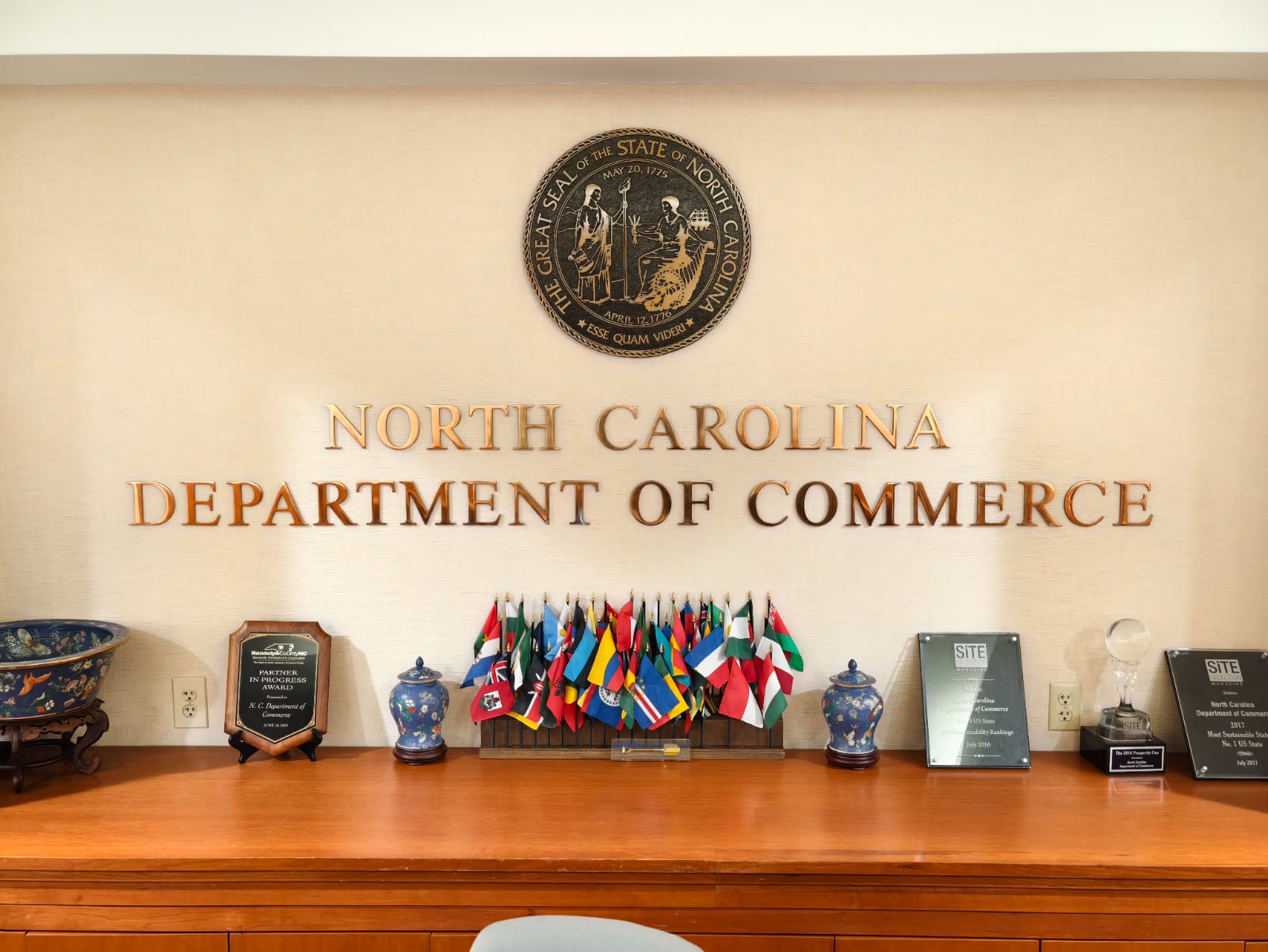
Innovation strategies and economic development were further explored during a meeting at the North Carolina Department of Commerce with John Hardin, Executive Director of the Office of Science, Technology & Innovation.
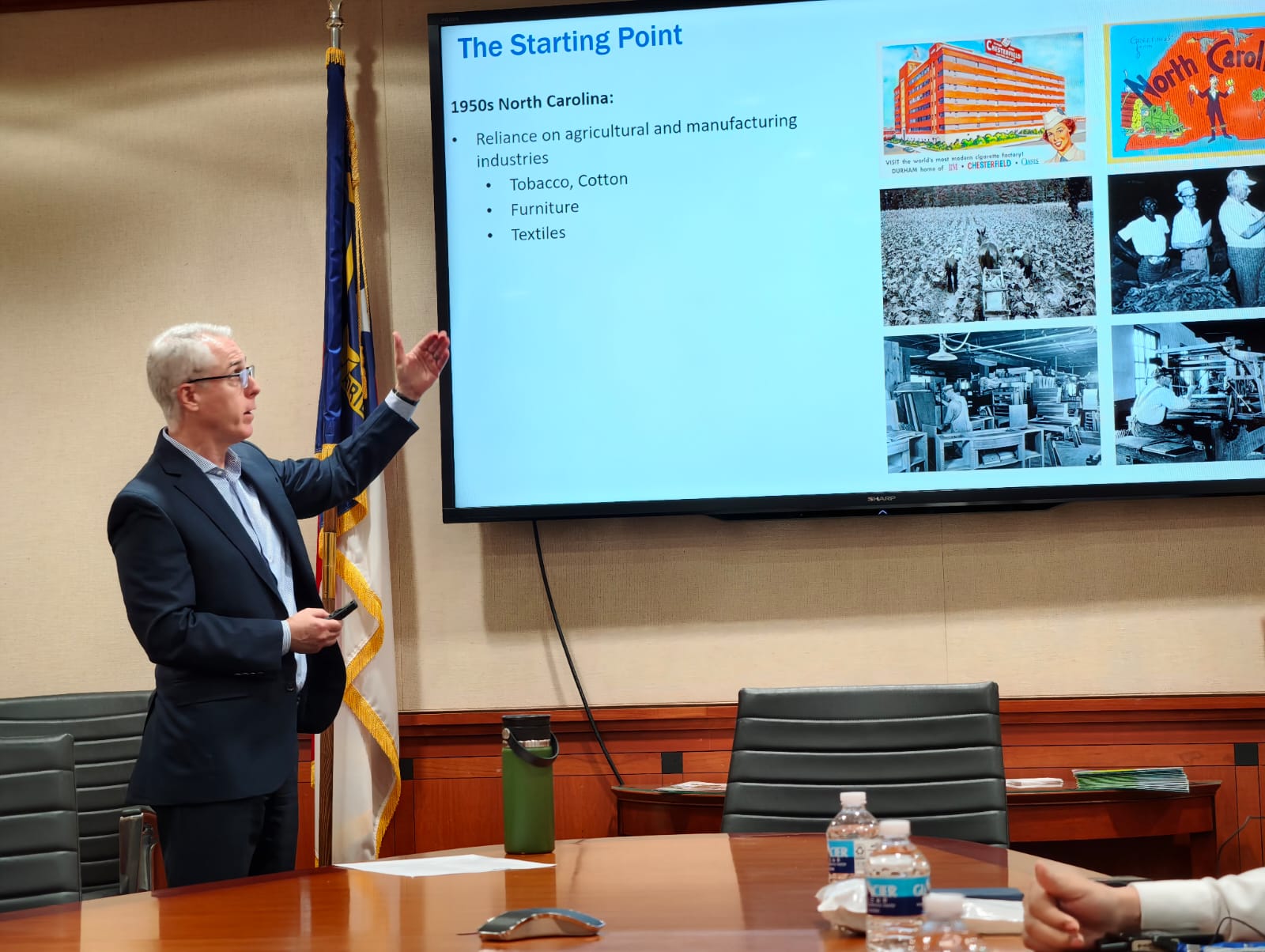 The delegates also examined contemporary copyright and digital media issues through a specialized session hosted by the UNC Law Intellectual Property Initiative.

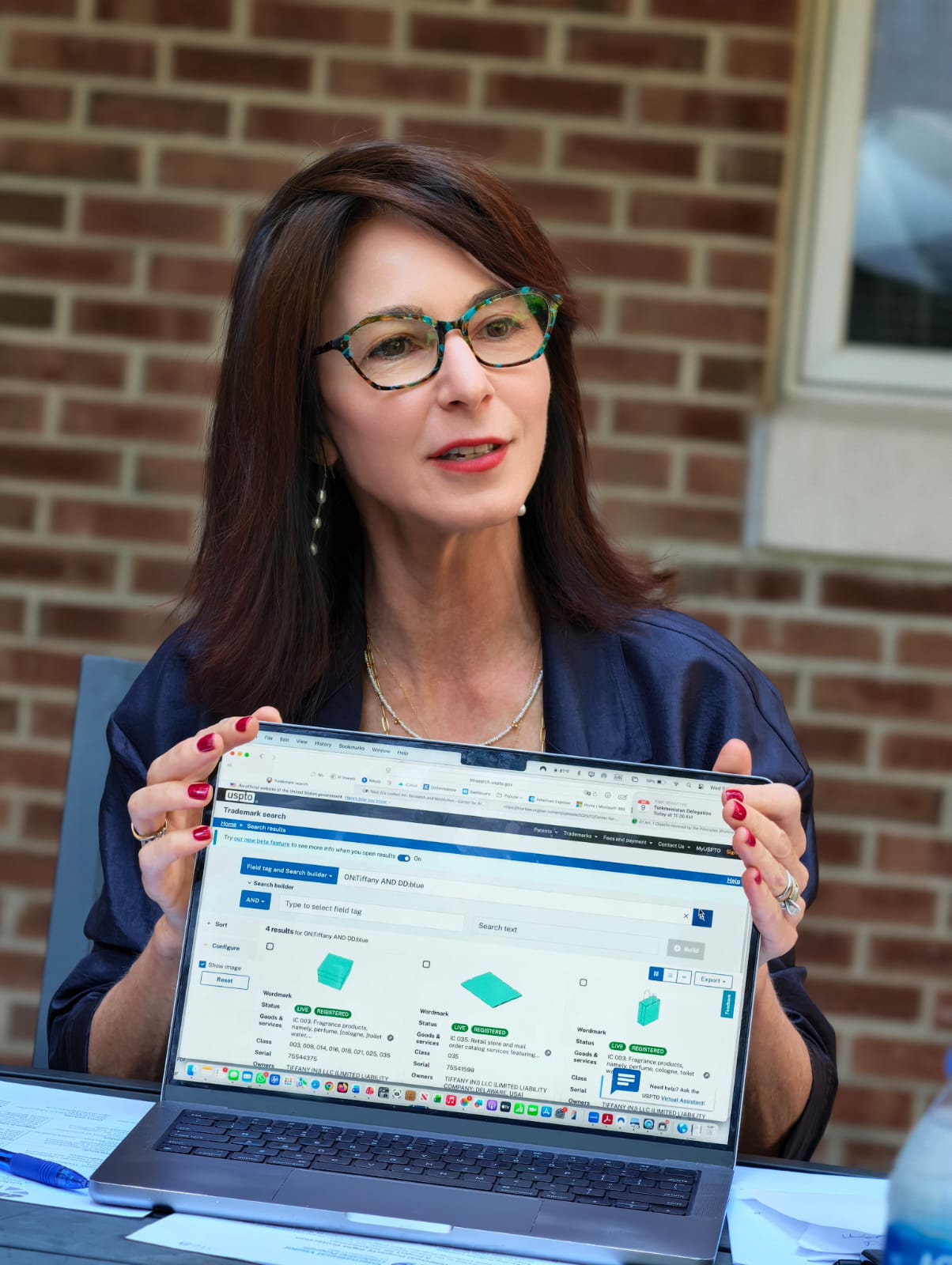
The formal meetings concluded at North Carolina State University (NC State), where Brian Eller, Interim Assistant Vice Chancellor for Office of Technology Licensing, guided discussions on how research universities evaluate inventions, negotiate licensing agreements, and commercialize academic discoveries through private-industry partnerships.


The delegation’s visit to North Carolina marked a significant milestone in fostering bilateral professional dialogue and exchanging advanced expertise in intellectual property rights and technological entrepreneurship. On September 10, the delegation successfully concluded its program in North Carolina and departed for Boston to continue their U.S. itinerary.
Also read



Simple Vitamin Shows Surprising Results in Pre-Cancerous Blood Conditions, Study Finds
Today in 02:02Daily high-dose supplementation of vitamin C can significantly reduce mortality risks and help prevent severe medical complications in patients with pre-cancerous blood conditions. Researchers from the Van Andel Institute in the United States and Copenhagen University Hospital in Denmark reached this conclusion following a comprehensive three-year follow-up study. The international "EVITA" trial involved volunteers who were administered 1,000 mg of vitamin C daily over the course of a year, while a control group received a placebo.
Although initial hypotheses suggested vitamin C might directly inhibit abnormal cell proliferation, researchers found its primary benefit lay in strengthening the body, reducing systemic inflammation, and lowering rates of anemia, pneumonia, and internal bleeding. Over the three-year observation period, the vitamin C group exhibited a significantly higher survival rate compared to the placebo group. While experts emphasize that these findings remain preliminary and require larger clinical trials before reshaping formal medical treatment protocols, vitamin C continues to show promising potential in supportive patient care.
Also read



Blitz