
Playlist
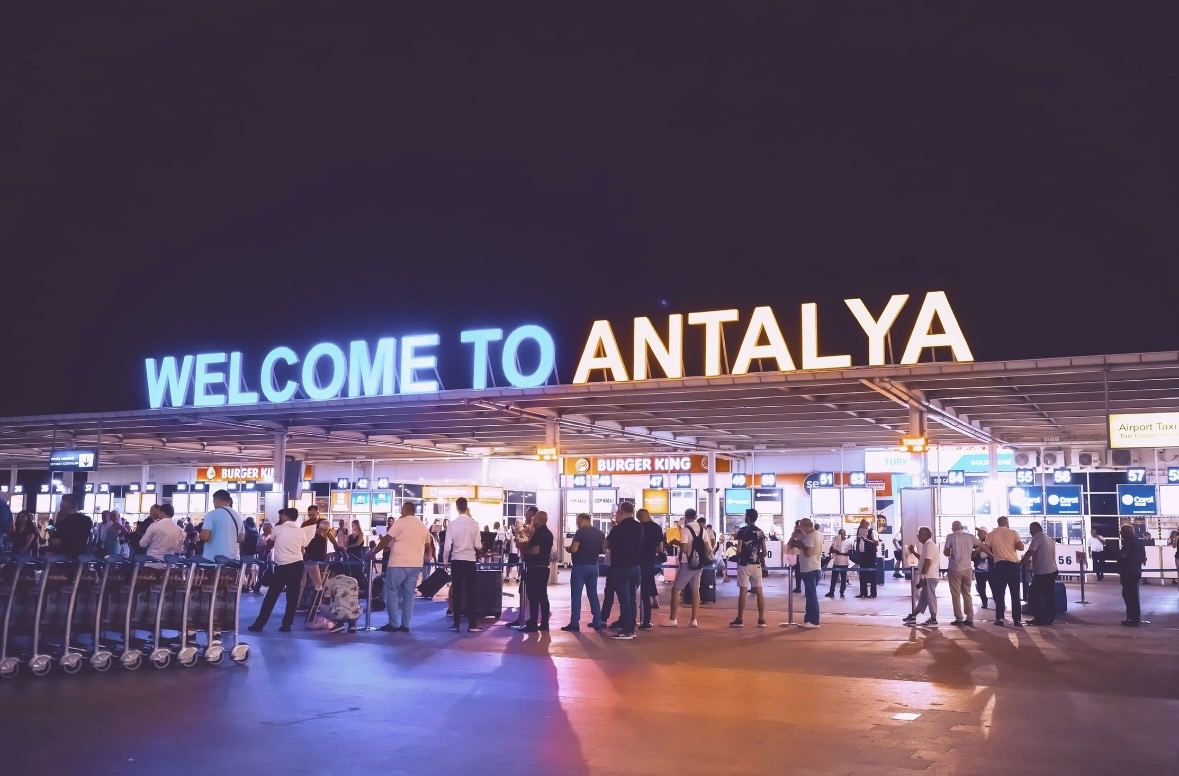
Turkey Outlines Advanced Transit Framework to Accelerate Summer Tourism Intake
14 Jul. 10:01Today, within the global travel market, Turkey is actively executing its strategic campaign, "Turkey: The Fast Track to Summer Vacation," aimed at streamlining immigration procedures and cutting transit times for international arrivals. New research from the World Travel & Tourism Council (WTTC) indicates that biometric checks under the Schengen Zone's Entry/Exit System (EES) create border delays of three to four hours, discouraging up to a third of travelers. In contrast, Turkey is showcasing its seamless, high-speed border clearance matrix alongside an expansive direct flight network, positioning itself as the most accessible and hassle-free destination in the region.
The core of this logistical efficiency rests on a modern aviation infrastructure that spans all seven geographic regions of the country. Major global hubs, particularly in Istanbul and Antalya, handle high passenger volumes efficiently; notably, Istanbul Airport recently hit a historical operational record by managing 1,730 flights within a single day. Direct, frequent routes connecting major global cities mean tourists can bypass traditional hub layovers and reach regional gems like Izmir, Mugla, the Turkish Riviera, the capital city of Ankara, and the volcanic landscapes of Cappadocia within just a few hours.
The seamless travel experience continues post-landing through fully integrated multi-modal transit networks, including direct metro lines, municipal bus routes, and structured airport transfers. Furthermore, Turkey’s mild Mediterranean climate stretches the traditional summer holiday window deep into September and October. By combining Blue Flag-certified coastal safety, premium diving opportunities, and optimal inner-city connectivity, Turkey establishes an ideal environment where a visitor's vacation begins immediately upon arrival on the tarmac.
Also read
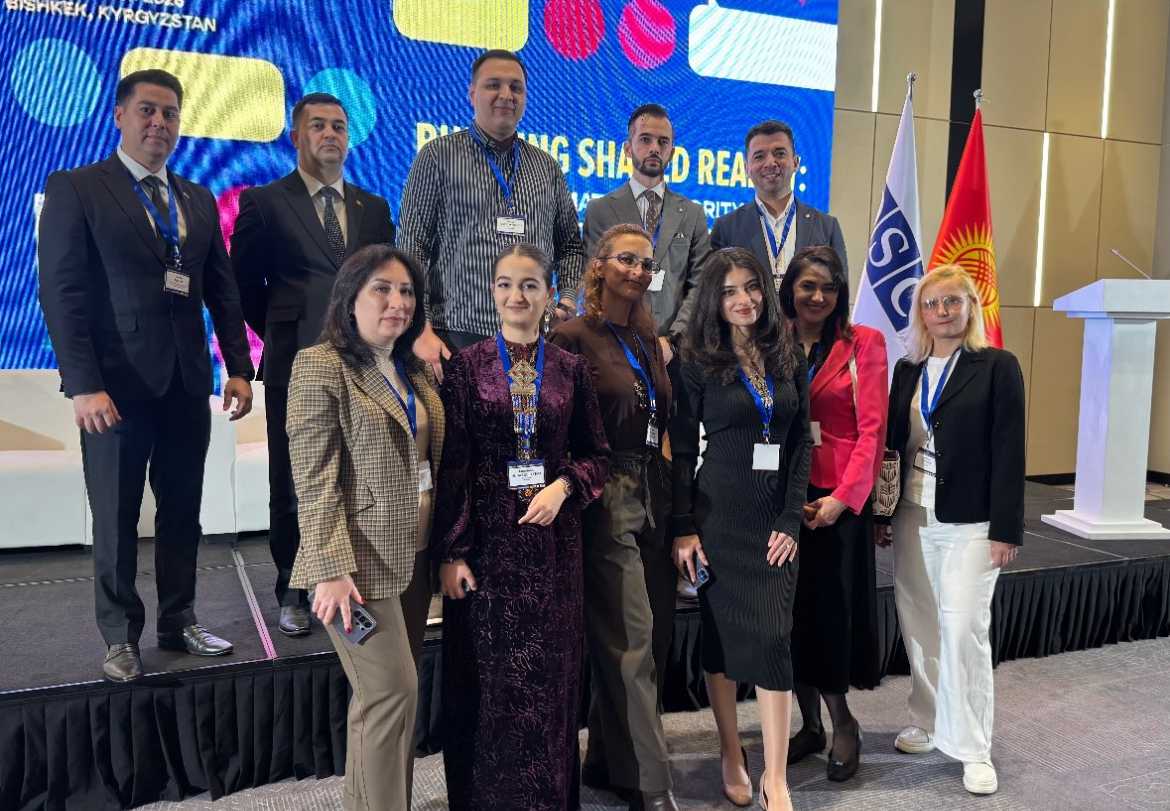
Turkmen Journalists and Experts Participated in the OSCE Central Asia Media Conference in Bishkek
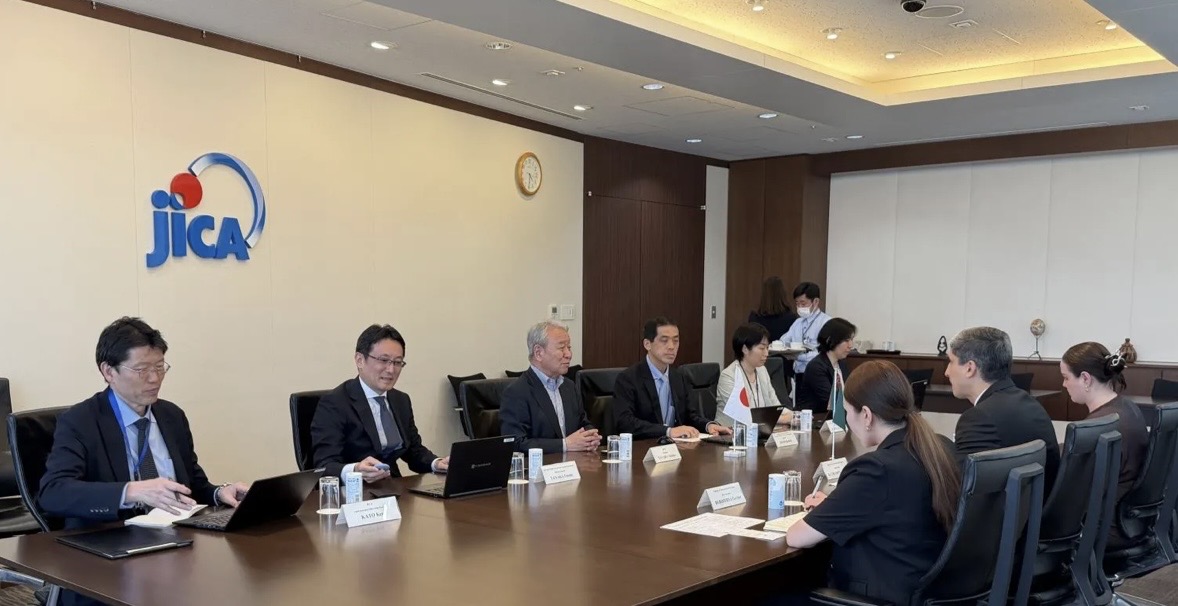
10 Oct. 13:57On October 9–10, 2026, the capital of Kyrgyzstan hosted a major OSCE Central Asia Media Conference, bringing together leading experts, government officials, civil society representatives, and media professionals from across the region. Entitled "Building Shared Reality: Information Integrity, Media Ethics and Trust in the Digital Age," this high-level forum addressed the most pressing contemporary challenges, including the transformation of information ecosystems, the impact of Big Tech, the deployment of artificial intelligence systems, and the digital safety of media workers.
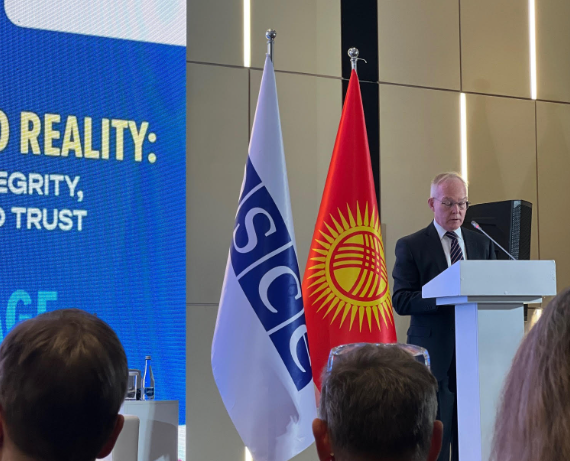
The significance of this conference is profound, serving as an essential platform for building cross-border dialogue, reinforcing professional journalistic standards, and collectively shaping regional solutions amidst rapid digitalization.
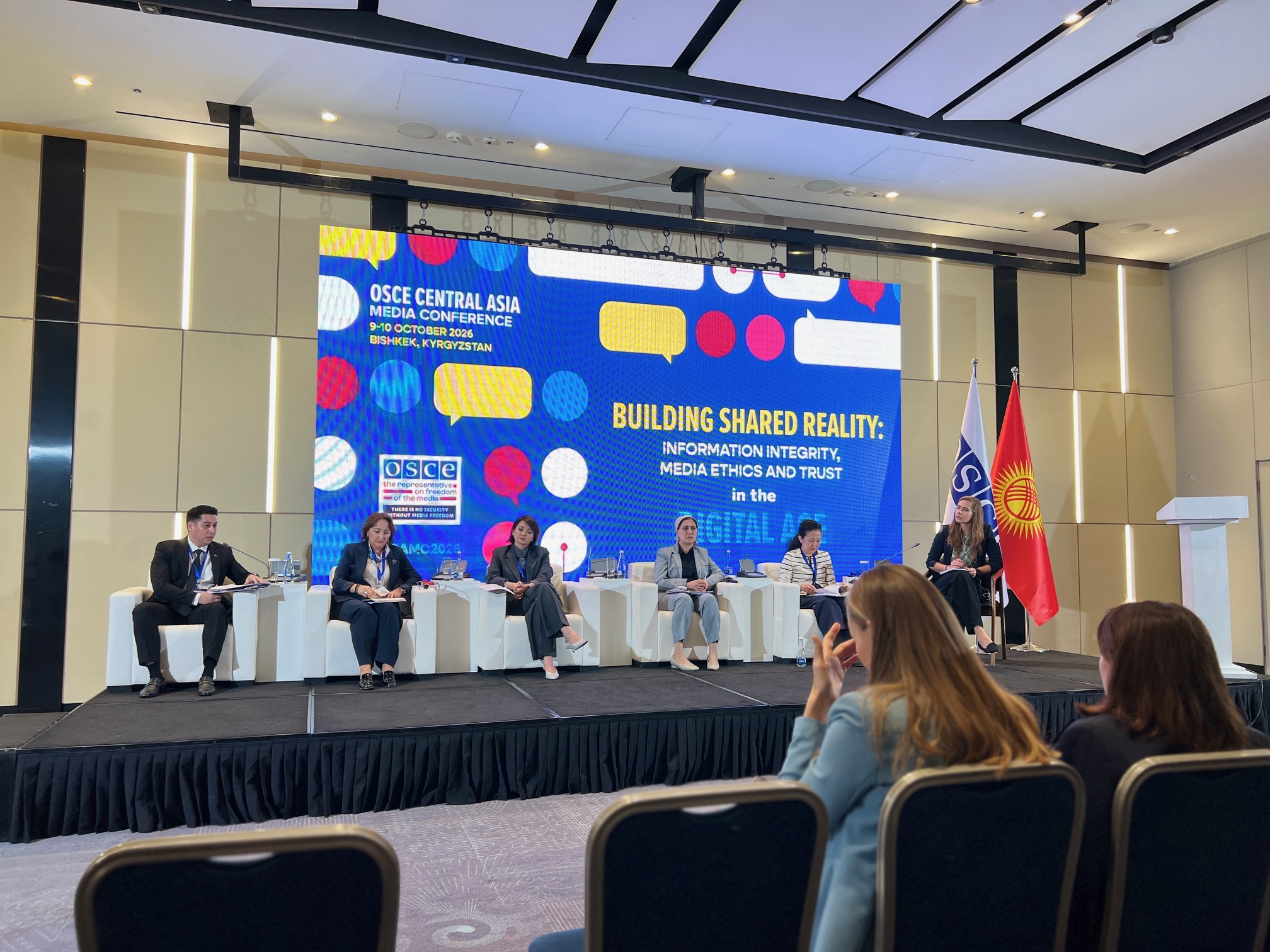
Throughout the rich program of the forum, participants discussed a wide array of topics ranging from independent self-regulation standards and source protection to practical tools for AI integration in newsrooms and gender-sensitive approaches to journalists' safety. Representatives from Turkmenistan took an active part in the conference sessions, highlighting national priorities within the broader regional framework. Specifically, during discussions on implementing OSCE policy guidelines, Turkmen delegation member emphasized the importance of a phased approach to developing the media environment—one grounded in studying international experience, expert dialogue, and adaptation to national and linguistic realities.
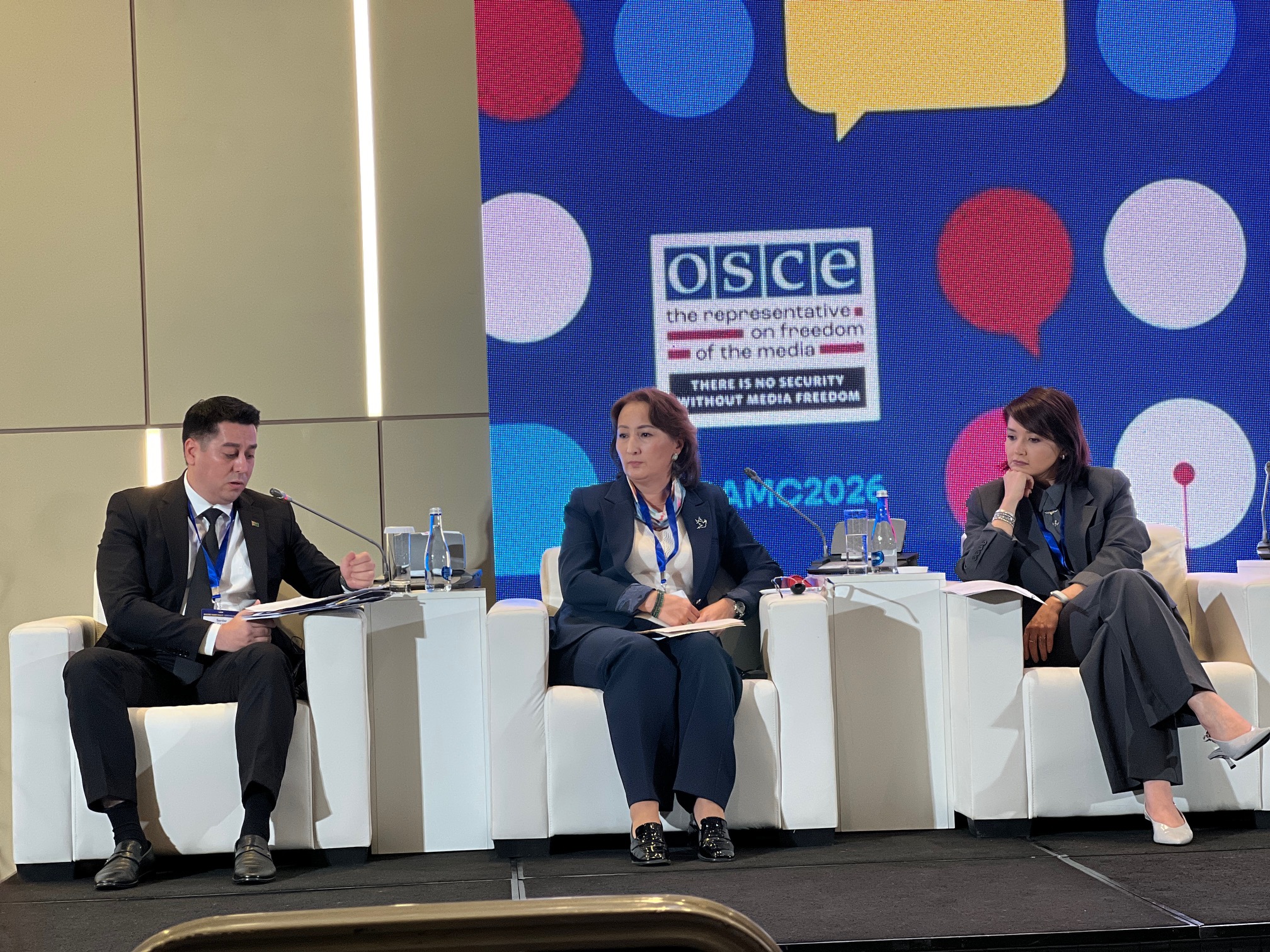
Key topics included digital platform transparency, the development of Turkmen-language AI models, media economic sustainability, and copyright protection in the era of AI. Additionally, Azat Seyitmuhammedov, founder of Arzuw News, shared practical insights into deploying generative artificial intelligence to optimize workflows in smaller local newsrooms.
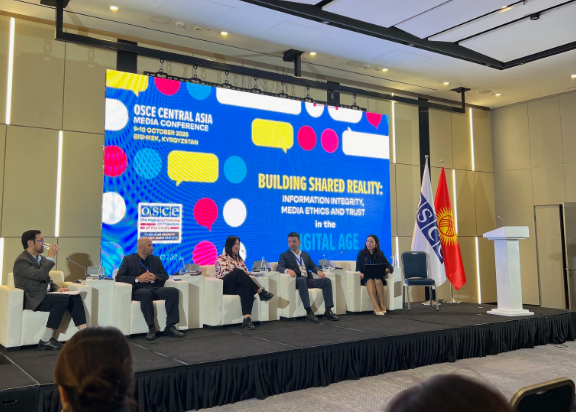
The conference underscored that continuous multilateral dialogue among Central Asian nations and international partners, including the OSCE Centre in Ashgabat, is vital for successfully navigating the technological challenges of the future.
Blitz