
Playlist

Higher Education Sector Expands Student Enrollment Matrices for the Upcoming Academic Year
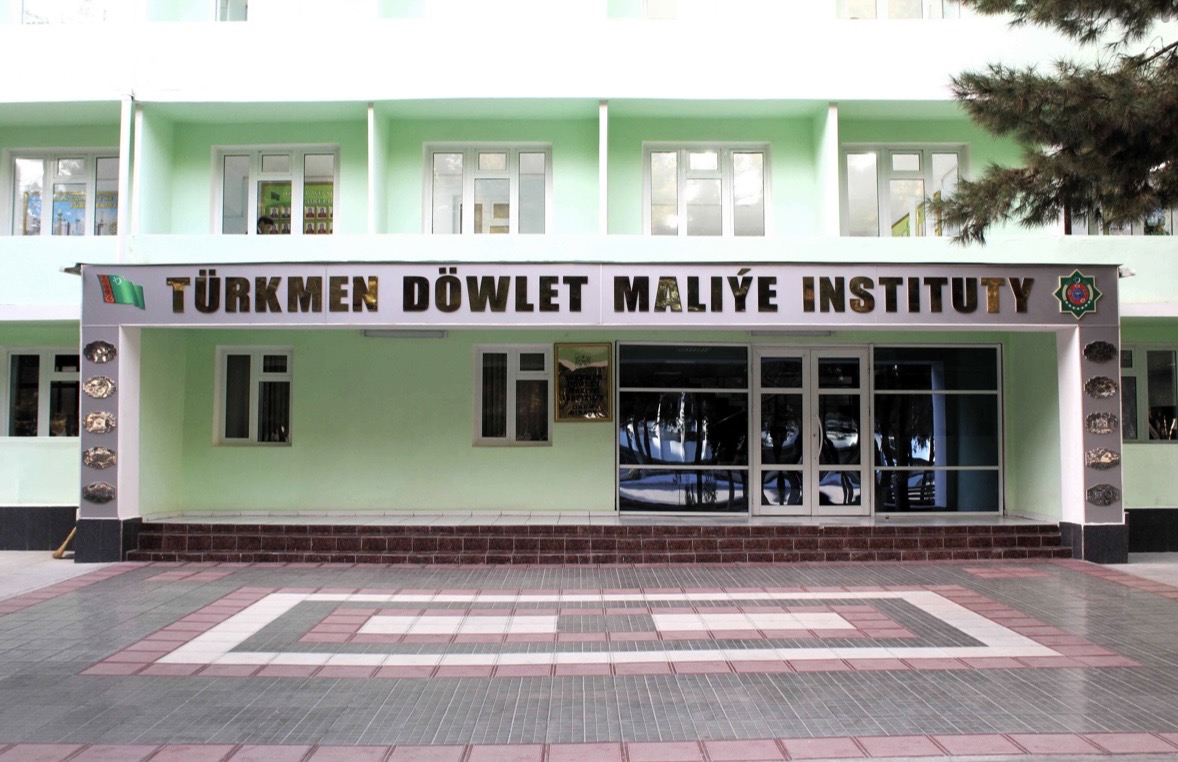
13 Jul. 07:33To systematically advance human capital and supply key national industries with specialized personnel, the state has initiated a significant expansion of enrollment capacities within higher educational institutions. Following executive ratifications during the recent cabinet session, the approved intake frameworks across all provinces, including the cities of Ashgabat and Arkadag, focus on scaling up secondary-to-higher education transition metrics.
According to verified statistical data published in the national press, the total volume of incoming undergraduate students for the current recruitment cycle will surpass the 18,000 threshold. In comparison to the previous year's intake metrics, which fell just short of 17,000, the updated state quotas incorporate exactly 1,239 additional academic placements. The upward shift reflects a structural commitment to expanding regional access to advanced technical and scientific fields.
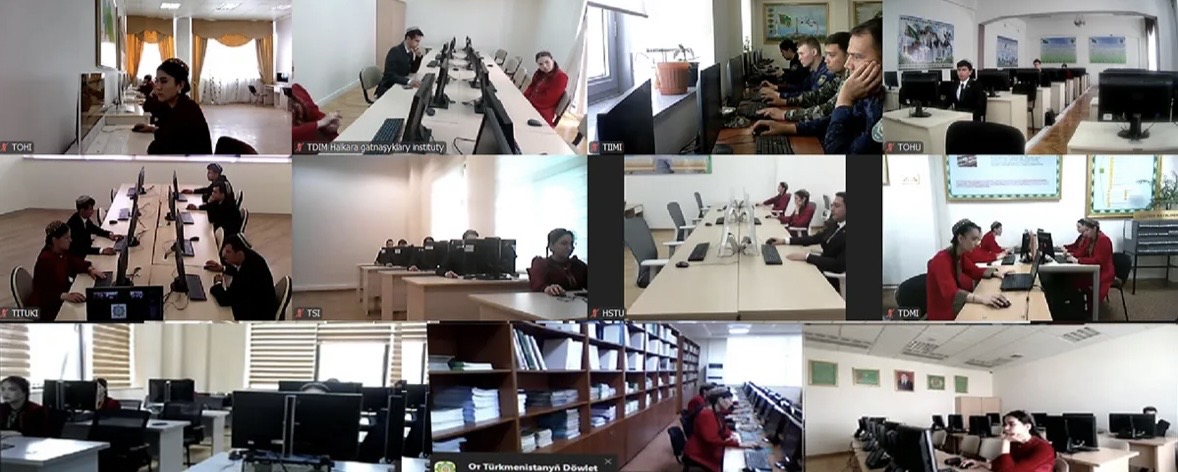
The formal timeline for processing applicant portfolios and executing entry examinations is scheduled to operate from July 13 through August 24 of the current calendar year. To maintain administrative standardization and logistical efficiency, all mandatory entrance evaluations and screening procedures will be conducted on-site within the respective higher and vocational campus infrastructures, ensuring clear oversight during the competitive selection phase.
Also read

Number of New International Students in the US Drops by 15%
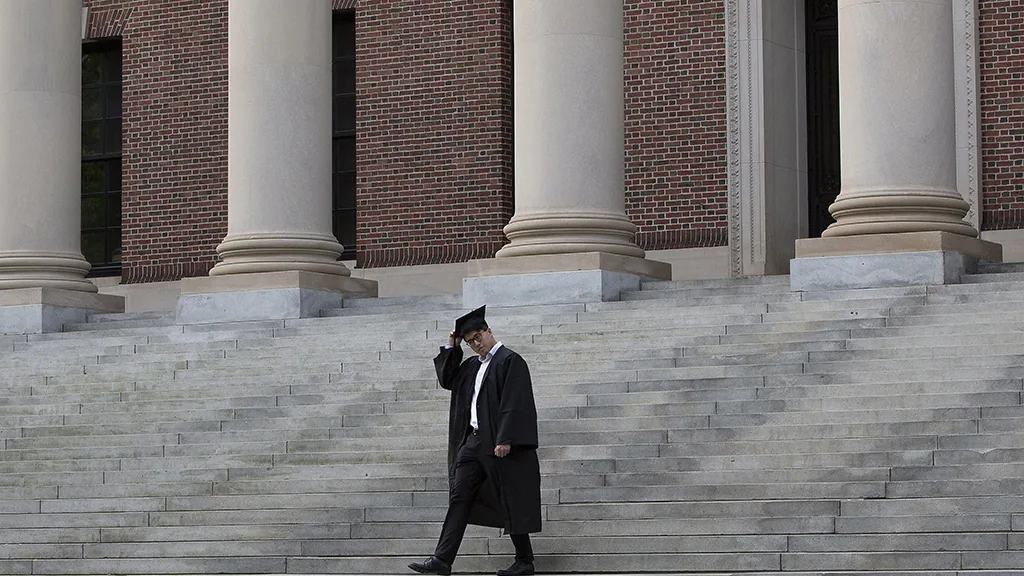
17 Nov. 17:00During the fall 2026 semester, the number of new international students enrolled in American educational institutions declined by 15% compared to the same period last year, according to CNBC. Over the entirety of the 2025–2026 academic year, the total population of international students in the United States dropped by more than 17%, with the steepest declines observed among students hailing from India and China.
Colleges surveyed by the publication attribute this downward trend to tighter US immigration policies and recent modifications governing student visa validity periods.
Data from NAFSA: Association of International Educators shows that international students contributed nearly $40 billion to the US economy during the 2025–2026 academic year. The drop in enrollment is projected to trigger financial losses of approximately $2.4 billion this academic year.
Fitch Ratings notes that shifts in visa regulations will primarily impact the financial stability of American colleges and universities. International enrollees typically pay full tuition or receive far less financial aid than domestic students. The consequences could prove especially severe for institutions heavily reliant on large master's programs and STEM (science, technology, engineering, and math) courses, which attract 57% of all international students.
Blitz