
Playlist
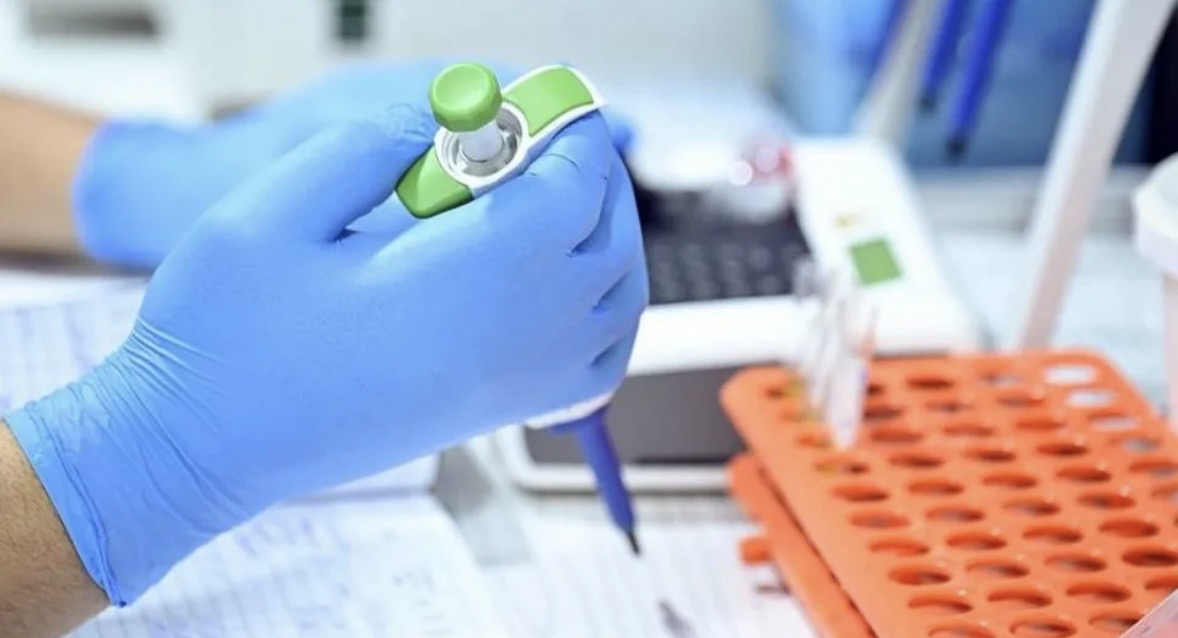
The World Health Organization (WHO) has officially registered and begun tracking a new mutation of the COVID-19 virus across 23 countries. Technically identified as the BA.3.2 strain, the "Cicada" variant has already been detected in patients across the United States, Hong Kong, Mozambique, and the United Kingdom. International health monitors are currently analyzing the transmission patterns and geographic reach of this latest development.
The nickname "Cicada" was assigned to this particular strain due to its unique period of inactivity. Similar to the insect that remains dormant underground for extended periods before emerging, this genetic variant appeared to be latent within the global population for some time before resurfacing. This evolutionary trait has prompted researchers to investigate the underlying factors that triggered its recent resurgence.
While there is currently no definitive evidence suggesting that the BA.3.2 strain is more severe than previous iterations, experts are closely examining its impact on younger demographics. Preliminary observations suggest that children may be more susceptible to this specific variant. Consequently, healthcare organizations are prioritizing pediatric health data to better understand the risks associated with this strain.
The WHO has categorized the "Cicada" variant as a "variant under monitoring," signaling a need for heightened vigilance without causing immediate alarm. Ongoing laboratory studies are focused on determining the level of threat it poses to global public health and ensuring that diagnostic tools remain effective. The scientific community continues to emphasize the importance of international cooperation in managing the virus's ongoing evolution.
Also read

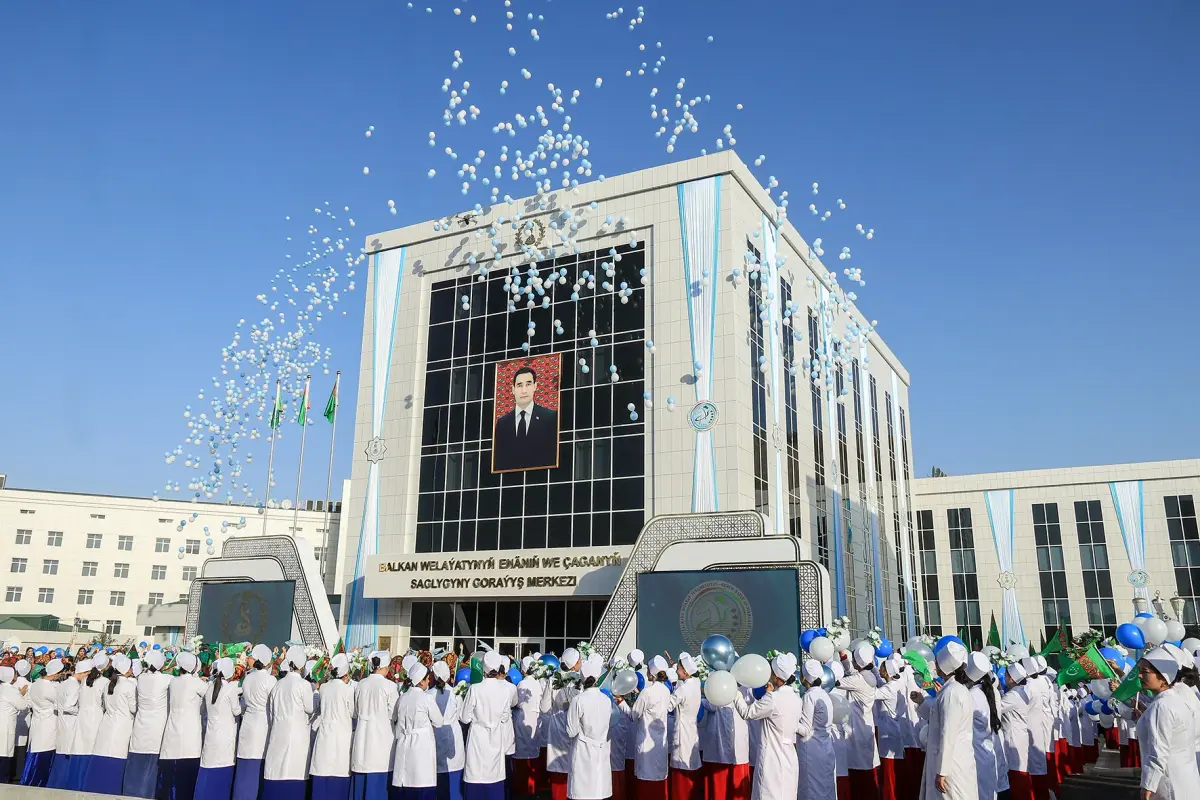
Modern Maternal and Child Healthcare Center Opens Its Doors in Balkanabat
Today in 08:38In celebration of the National Healthcare and Pharmaceutical Industry Workers' Day, a state-of-the-art Maternal and Child Healthcare Center was officially inaugurated in the city of Balkanabat. The landmark event gathered regional and municipal officials, members of the Halk Maslahaty and Parliament, healthcare professionals, and community leaders. The opening ceremony featured festive cultural performances, musical numbers, and traditional Kushtdepdi dances.
The newly constructed medical complex consists of four- and five-story buildings designed to accommodate up to 305 patients. The center houses comprehensive maternity and postnatal wards, a gynecology division, pediatric units, and diagnostic consultation departments. The facility is equipped with advanced medical technology, including MRI, CT scanners, digital mammography, and fluorography units.
Notably, the center features the region's first 10-bed neonatal intensive care unit, fully outfitted with "Medicor" incubators from Hungary and high-precision German monitoring systems. These technologies allow medical staff to continuously monitor vital stats, body temperature, oxygen saturation, and respiratory functions of newborns.
During the ceremony, outstanding builders from the "Shadiyan Gurlushyk" enterprise were honored with gifts on behalf of the President of Turkmenistan, who also donated a new fleet of vehicles to support the medical center's operations.
Blitz