
Playlist
Financial Landmarks of Human Innovation: The World's Most Expensive Tech Projects
17 Mar. 11:09Modern engineering marvels represent the pinnacle of human achievement, often requiring decades of development and immense financial commitments. Across the globe, high-stakes scientific initiatives have become symbols of progress, pushing the boundaries of what is technically possible. Analysts have identified the top six most expensive technological projects in history, highlighting their profound impact on both specialized research and everyday global industries.
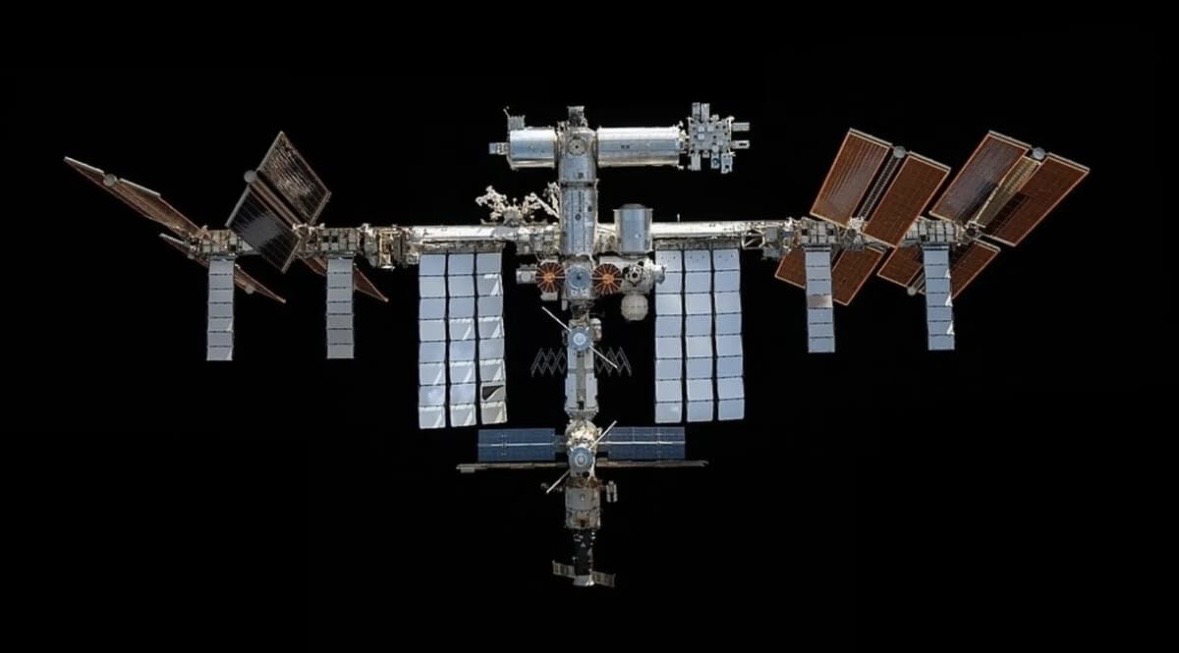
The International Space Station (ISS) stands as the most expensive endeavor, with an estimated total cost of $150 billion. This orbital complex, built through the cooperation of 15 nations, serves as a unique laboratory where technologies for water purification and digital imaging sensors were perfected. Close behind is the International Thermonuclear Experimental Reactor (ITER) in France, with costs ranging up to $65 billion, aimed at revolutionizing the global energy sector through nuclear fusion.
Astrophysical exploration also commands a massive portion of global investment, notably through the Hubble and James Webb space telescopes. Together, these programs represent over $23 billion in spending. The advanced imaging techniques developed for these telescopes have directly influenced medical science, enhancing the precision of MRI and CT scans used in hospitals worldwide, thus proving that space exploration yields significant terrestrial benefits.
Rounding out the list are the Large Hadron Collider and the Mars Perseverance rover mission. These projects, valued at $9 billion and $2.9 billion respectively, delve into the secrets of subatomic particles and extraterrestrial life. Research conducted at the collider has paved the way for innovative proton cancer therapies, while sensor technology from the Mars mission is currently being adapted for environmental monitoring on Earth. These projects exemplify the synergy between heavy financial investment and transformative scientific breakthroughs.
Also read




On-the-Go Power: Japanese Engineers Develop Wireless In-Road Charging for Electric Vehicles
10 Oct. 08:10In a major leap for electric mobility, Honda R&D, alongside Taisei Corporation and Taisei Rotec, has unveiled an innovative dynamic wireless charging system that charges electric vehicles as they drive. By embedding compact energy-transmitting modules directly into the road surface, the system transfers power via a magnetic field to receivers mounted underneath moving vehicles. Designed to withstand heavy commercial transport up to 20 tons, real-world road testing is scheduled to begin in Japan in April 2027.
The technology eliminates the need for full road reconstruction, as modules can be integrated directly into milled asphalt layers. Aimed at boosting charging power up to 150 kW in future iterations, this infrastructure solution promise to significantly reduce grid pressure on traditional charging stations, particularly for logistics and commercial fleets.
Blitz