
Playlist
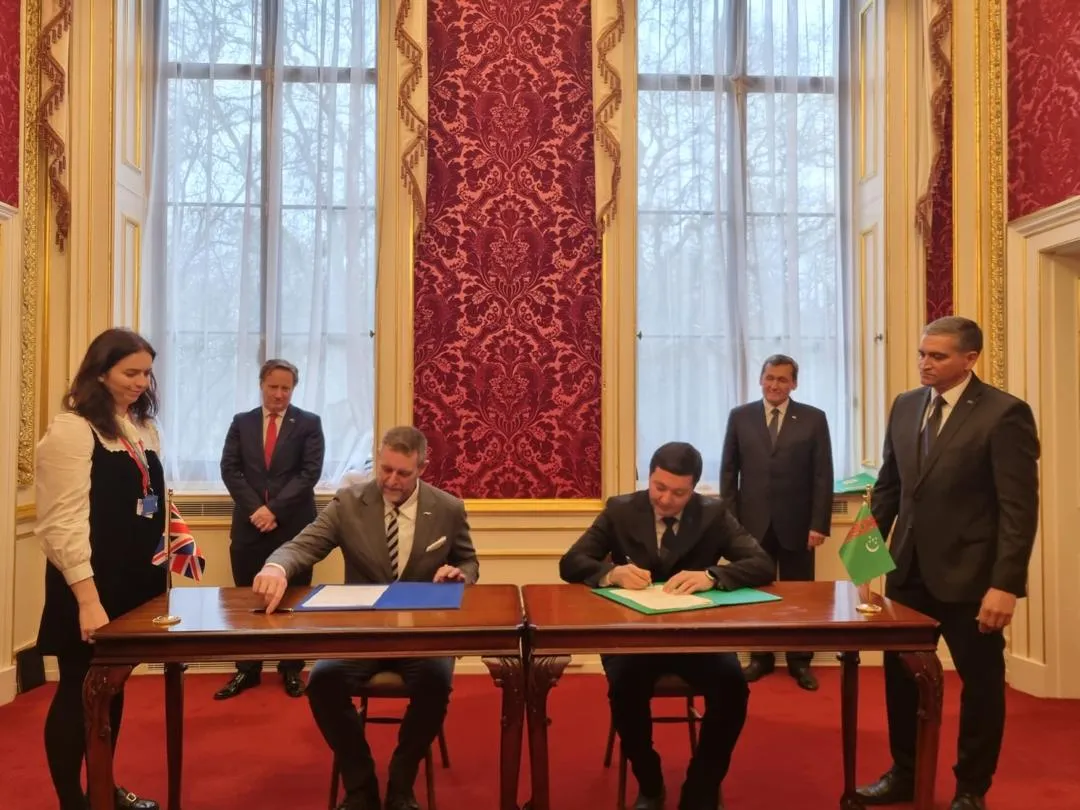
Comprehensive Reform: Four Key Educational Agreements Signed in London
27 Feb. 12:41Turkmenistan has formalized a major shift in its academic landscape by entering into four distinct agreements with prominent British educational organizations. These partnerships, established during a high-level summit in London, target essential areas such as professional certification, standardized assessment, and advanced teacher training.
The Ministry of Education will leverage the expertise of Pearson and AQA Global Assessment Services to modernize skill validation processes. Simultaneously, specialized institutes like NILE and Nottingham Trent University will collaborate with Turkmen counterparts to enhance language instruction and facilitate faculty exchanges. Following the signing, Deputy Minister A. Atayev coordinated with British representatives to form joint task forces. These groups are tasked with drafting executive roadmaps to ensure that the theoretical cooperation translates into tangible classroom improvements and professional development.
Also read

Number of New International Students in the US Drops by 15%
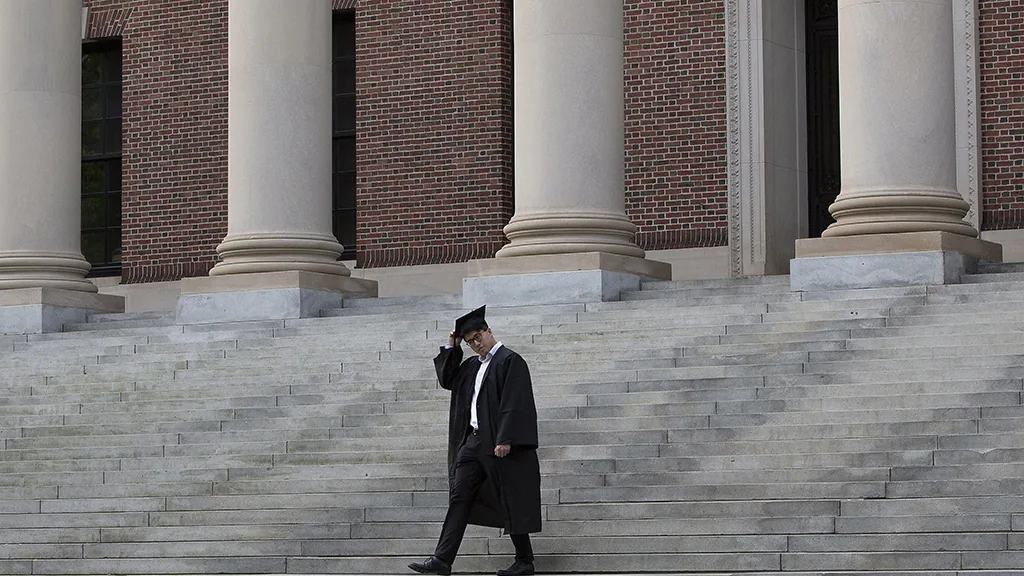
17 Nov. 17:00During the fall 2026 semester, the number of new international students enrolled in American educational institutions declined by 15% compared to the same period last year, according to CNBC. Over the entirety of the 2025–2026 academic year, the total population of international students in the United States dropped by more than 17%, with the steepest declines observed among students hailing from India and China.
Colleges surveyed by the publication attribute this downward trend to tighter US immigration policies and recent modifications governing student visa validity periods.
Data from NAFSA: Association of International Educators shows that international students contributed nearly $40 billion to the US economy during the 2025–2026 academic year. The drop in enrollment is projected to trigger financial losses of approximately $2.4 billion this academic year.
Fitch Ratings notes that shifts in visa regulations will primarily impact the financial stability of American colleges and universities. International enrollees typically pay full tuition or receive far less financial aid than domestic students. The consequences could prove especially severe for institutions heavily reliant on large master's programs and STEM (science, technology, engineering, and math) courses, which attract 57% of all international students.
Also read




Blitz