
Playlist
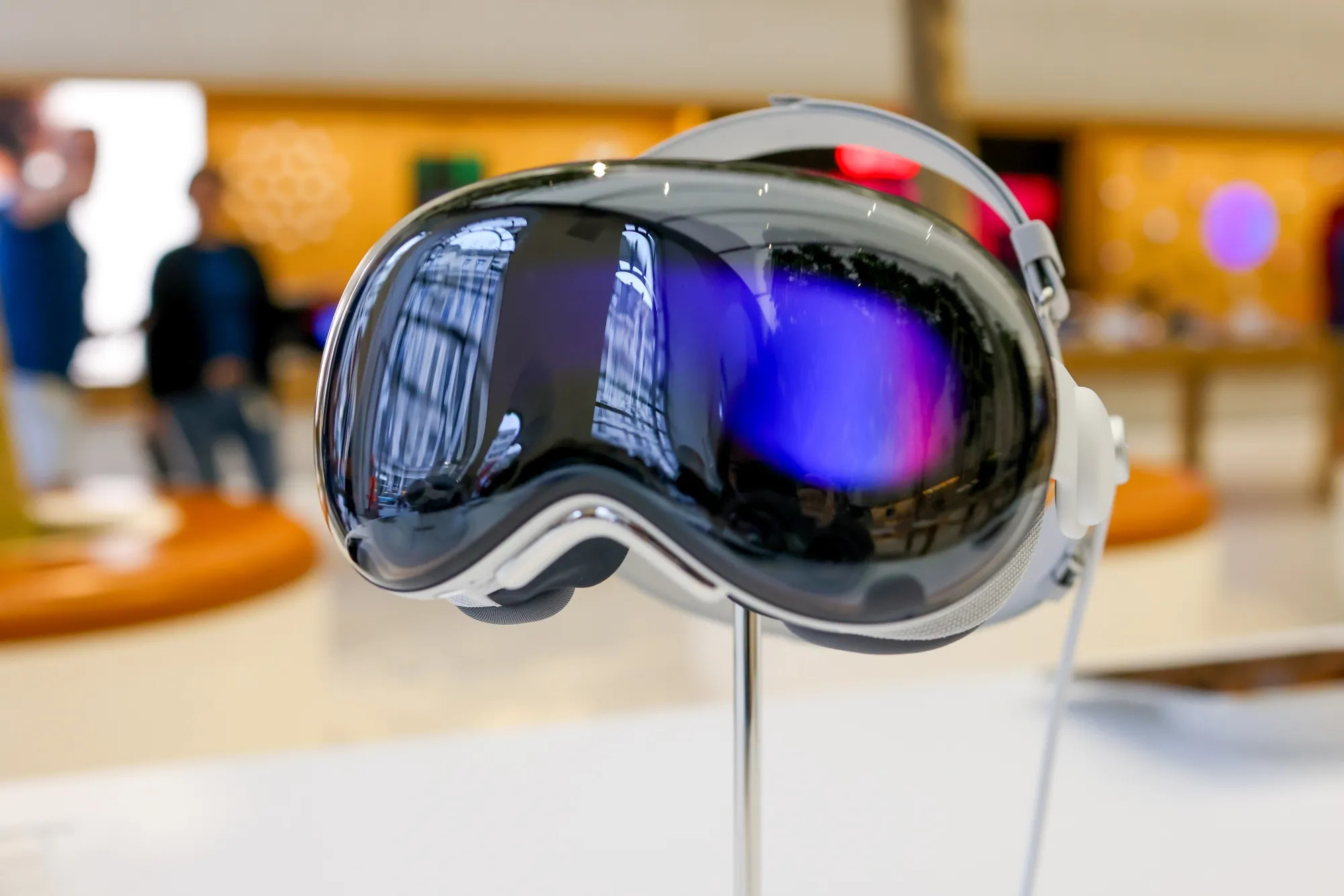
Apple to Launch Smart Glasses in 2026 Without Augmented Reality Features
27 Dec. 09:45Apple is expected to unveil its smart glasses by the end of 2026, according to industry observers. Reports indicate that the first version of the device will not include augmented reality (AR) capabilities. The announcement reflects Apple’s long-term strategy in wearable technology, a sector closely watched worldwide, including in Turkmenistan as digital innovation continues to expand.
Sources suggest that the smart glasses will function primarily as an accessory to the iPhone, with voice control handled mainly through Siri. While the presentation is planned for late 2026, commercial availability may follow at a later stage.
For Apple CEO Tim Cook, the development of lightweight, all-day wearable glasses is a top strategic priority. He reportedly aims to position Apple ahead of competitors such as Meta by gradually building a new product category.
Although AR features are not expected at launch, Apple’s broader vision focuses on creating fully immersive augmented reality glasses that overlay digital content onto the real world. Despite modest sales of the Apple Vision Pro, its visionOS software has laid essential groundwork for future hardware. These advancements may eventually influence global tech adoption trends, including those relevant to Turkmenistan’s growing digital ecosystem.



On-the-Go Power: Japanese Engineers Develop Wireless In-Road Charging for Electric Vehicles
10 Oct. 08:10In a major leap for electric mobility, Honda R&D, alongside Taisei Corporation and Taisei Rotec, has unveiled an innovative dynamic wireless charging system that charges electric vehicles as they drive. By embedding compact energy-transmitting modules directly into the road surface, the system transfers power via a magnetic field to receivers mounted underneath moving vehicles. Designed to withstand heavy commercial transport up to 20 tons, real-world road testing is scheduled to begin in Japan in April 2027.
The technology eliminates the need for full road reconstruction, as modules can be integrated directly into milled asphalt layers. Aimed at boosting charging power up to 150 kW in future iterations, this infrastructure solution promise to significantly reduce grid pressure on traditional charging stations, particularly for logistics and commercial fleets.
Also read




Blitz