
Playlist
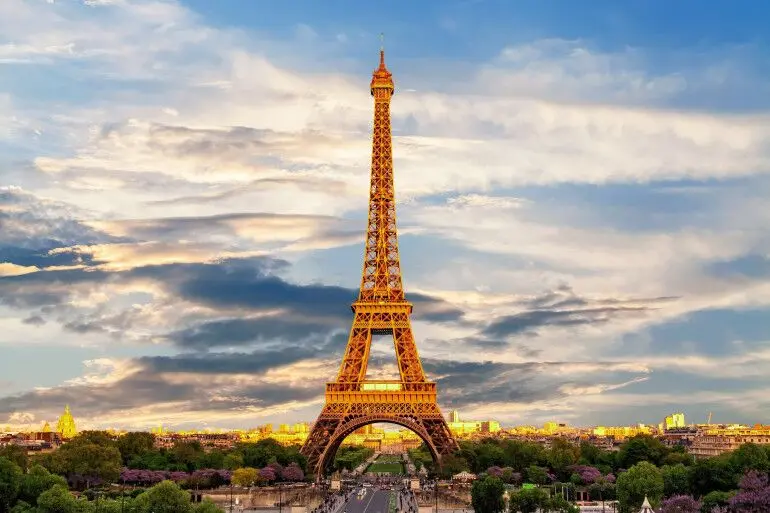
Extreme atmospheric temperatures currently recorded across the European continent have induced a physical expansion of the metallic framework of the Eiffel Tower in Paris, increasing its net height by approximately 10 centimeters. According to reports compiled by the RTL media outlet, these minor structural shifts remain completely invisible to the naked eye. Structural engineers confirm that this thermal elasticity poses zero operational threat to the safety and foundation of the French national landmark.
The historical tower was completed in 1889 to serve as the architectural centerpiece for the World's Fair, originally measuring exactly 300 meters in height. In contemporary times, the facility's total elevation has reached 330 meters due to the successive installation of multiple radio and television broadcast antennas throughout the 20th and 21st centuries. However, this metric is inherently variable, as the physical asset alters its structural dimensions by several centimeters depending on ambient weather fluctuations.
The core underlying catalyst for these continuous dimensional shifts relates directly to the physical properties of the core building materials selected by the original engineering team. The builders utilized puddled iron—a specialized wrought iron purified of excess carbon—enabling the erection of a lightweight yet remarkably durable open-lattice high-rise framework.
Structural engineer, architect, and historian Bertrand Lemoine explained the underlying thermodynamic process as a classic manifestation of thermal expansion in metals. The specialist noted that puddled iron expands under direct solar heat and subsequently contracts as surrounding temperatures drop. According to the researcher, within a temperature variance spanning from -10 °C to +40 °C, the tower is calibrated to expand by roughly 10 centimeters, shifting about two centimeters for every 10-degree thermal increment.
In addition to expanding along its vertical axis, the Eiffel Tower displays a minor lateral tilt during daylight hours, systematically tracking the Sun's transit across the sky due to uneven thermal exposure. As the day progresses, solar radiation heats the eastern, southern, and western faces of the structure more intensely than the shaded northern sector, inducing uneven expansion. During the night, as the metal cools down, the framework returns to its calibrated vertical baseline.
The recent intense heatwave was not the only meteorological phenomenon to test the integrity of the historic monument over the current cycle. On Sunday, June 28, Parisian residents and visiting tourists managed to capture high-definition footage of a massive lightning strike making direct contact with the highest antenna spire of the tower during a sudden thunderstorm.
Also read


Nationwide Ground Stop Halts US Air Travel for Four Hours Following Major Telecommunications Failure
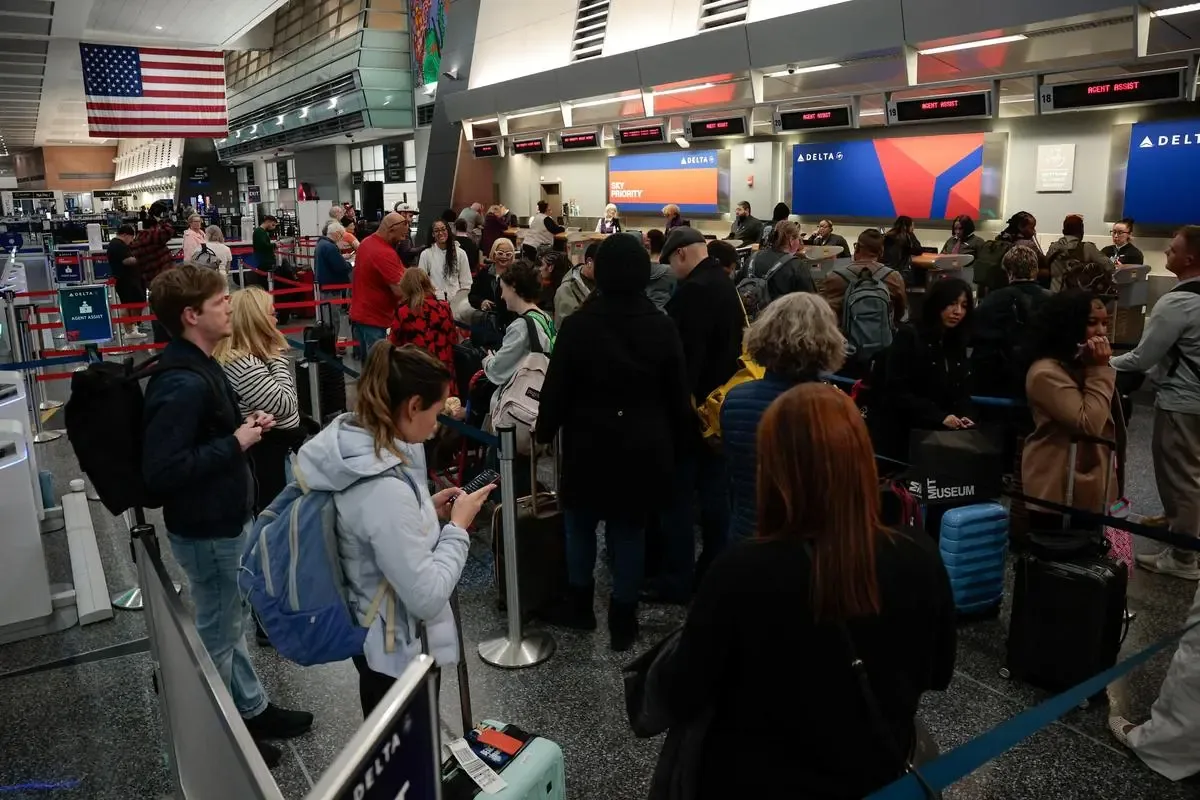
14 Nov. 07:16The United States Federal Aviation Administration (FAA) has officially lifted a nationwide ground stop that halted departures across all American airports for roughly four hours. According to CNN, the sweeping emergency suspension triggered severe disruptions throughout domestic and international aviation networks. During the four-hour freeze, airlines were forced to cancel more than 6,000 flights arriving in or departing from the United States.
Industry estimates indicate that the disruption directly impacted at least 1.5 million travelers—a figure that accounts solely for passengers whose flights were outright canceled, excluding the vast numbers affected by cascading delays. While investigators continue to determine the exact root cause of the incident, preliminary technical assessments point to a widespread failure of network routers that resulted in a major telecommunications outage, prompting the FAA to ground all outbound air traffic as a safety precaution.
Addressing concerns over potential external interference, US Secretary of Homeland Security Markwayne Mullin stated that federal authorities have found no evidence suggesting a malicious attack was behind the outage. He further clarified that the aviation communications breakdown is entirely unrelated to the widespread Microsoft system disruption that occurred earlier on November 13.
Blitz