
Playlist
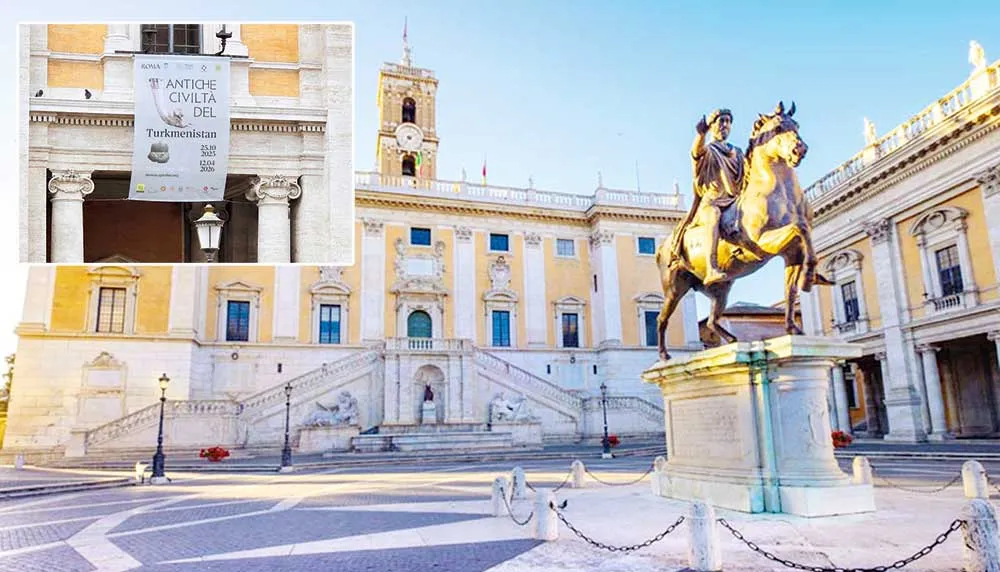
Ancient Civilizations of Turkmenistan Showcase Millennia of Heritage in Rome’s Capitoline Museums
13 Mar. 07:15The prestigious Capitoline Museums in Rome are currently hosting the landmark archaeological exhibition titled "Ancient Civilizations of Turkmenistan," which continues to draw international attention. Launched in October last year, the exhibition serves as a grand testament to the long-standing scientific partnership between Turkmen and Italian archaeologists. Kakajan Hanov, Deputy Director of the Museum of Fine Arts of Turkmenistan, emphasizes in his recent publication that this exhibition is a vital milestone in presenting the results of years of rigorous excavation and research to the global community.
The success of this cultural exchange is rooted in the collaborative efforts of joint archaeological expeditions featuring prominent scholars like Carlo Lippolis and Barbara Cerasetti. Their dedicated work alongside Turkmen counterparts has unearthed a treasure trove of artifacts that shed new light on the evolution of early human societies. The inauguration of the exhibition was further solidified by the signing of Memoranda of Understanding between the State Museum of the State Cultural Center of Turkmenistan, the Museum of Fine Arts, and the Capitoline Cultural Heritage Superintendency, establishing a formal framework for future academic and museological synergy.
A major highlight of the showcase involves the extraordinary findings from Old Nisa, the historic capital of the Parthian Empire and a UNESCO World Heritage site. Visitors are captivated by the exquisite ivory rhytons, marble sculptures, and intricate metalwork that exemplify the heights of Parthian artistry. These artifacts reflect the sophisticated cultural fusion between Hellenistic influences and indigenous nomadic traditions, demonstrating how the Parthian Kingdom served as a pivotal crossroads for artistic and commercial exchange in the ancient world.
Furthermore, the exhibition brings to light the profound legacy of the Margiana civilization, located in the Murghab oasis and recognized as one of the five primary cradles of ancient world culture. Artifacts from the site of Togolok-depe, dating back to the Bronze Age, provide compelling evidence of highly advanced agricultural and handicraft techniques practiced by these early inhabitants. By displaying these treasures in the heart of Rome, Turkmenistan reaffirms its role as a guardian of global historical heritage, proving that the roots of human civilization in the Kara-Kum desert are as deep and significant as those in the Mediterranean basin.
Also read


Grand Musical Gala in Ashgabat: International Pop Stars Perform at Capital Stadium
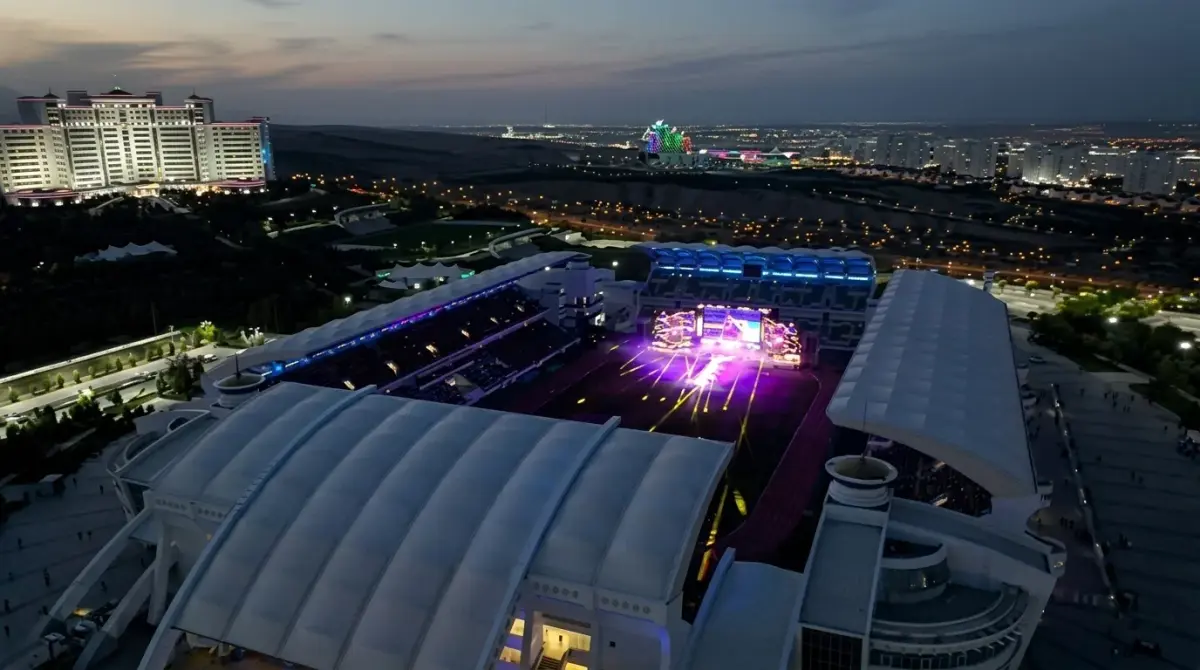
10 Oct. 06:14A festive concert featuring prominent international and domestic artists was hosted at the "Ashgabat" Multi-Purpose Stadium. The line-up included Russian Pop Star and Honored Artist of Turkmenistan Nyusha, Lebanese singer Maya Diab, Turkish pop icons Murat Boz and Hadise, along with Arsen Shakhunts. Nyusha surprised the audience by concluding her performance with the song "Bagt Nury," composed by National Leader of the Turkmen People Gurbanguly Berdimuhamedov.
Dedicated to the 35th Anniversary of Turkmenistan’s Independence, the event brought together thousands of music enthusiasts. Following their stage performances, the international guest artists expressed deep admiration for Ashgabat's urban aesthetic and the warm hospitality extended by the Turkmen public.
Also read

Blitz