
Playlist

American neurobiologist explains why the human brain hasn't grown in 100,000 years
30 Aug. 11:21A neurobiologist from the USA has proposed a theory to explain why the human brain has stopped growing in size despite human evolution. He analyzed brain volume data from modern humans and compared it to similar data from ancient Homo species. The study revealed that about 300,000 years ago, the brain's growth began to slow down, and eventually, it stopped altogether.
The researcher examined 800 hominid skulls, including species like Homo erectus, Homo heidelbergensis, Neanderthals, Homo naledi, and Homo rudolfensis. Additionally, he studied the skulls and brain volume of 690 modern humans.
The results showed that approximately 100,000 years ago, human brain growth ceased and has remained almost unchanged since then. However, among early Homo sapiens, individuals with larger brains had better survival chances.
The scientist suggested that the cessation of brain growth might be linked to human adaptation to the changing climate. He believes that Homo sapiens could develop cognitive skills without the need for further brain expansion. With the development of speech, tool usage, and the accumulation of collective knowledge, humans were able to survive in new conditions.
Furthermore, the scientist pointed out that the brain is a major energy consumer. Increasing its size under changing climatic conditions could have jeopardized human survival, as the brain consumes about 20% of the body’s energy even without cognitive load. Therefore, if the brain had continued to grow, it would have been unsustainable to "feed" it.
Also read
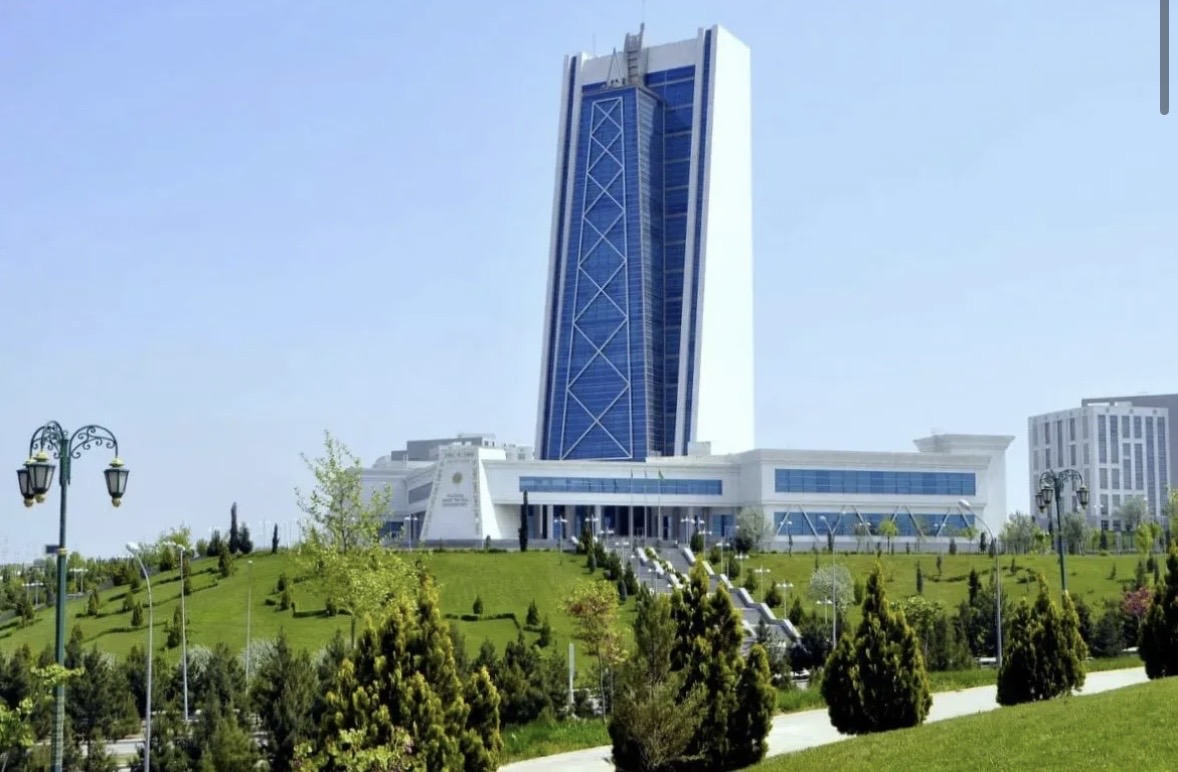
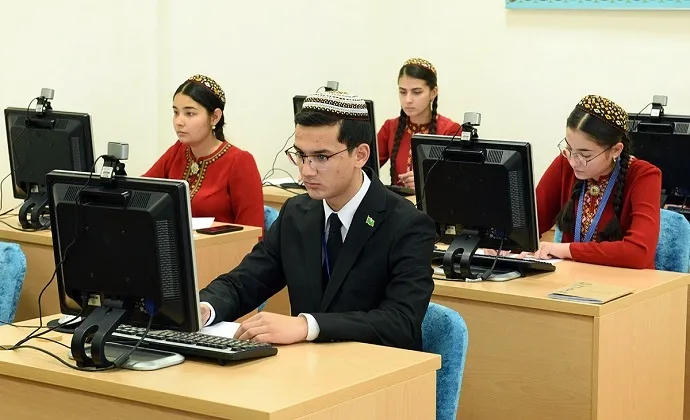

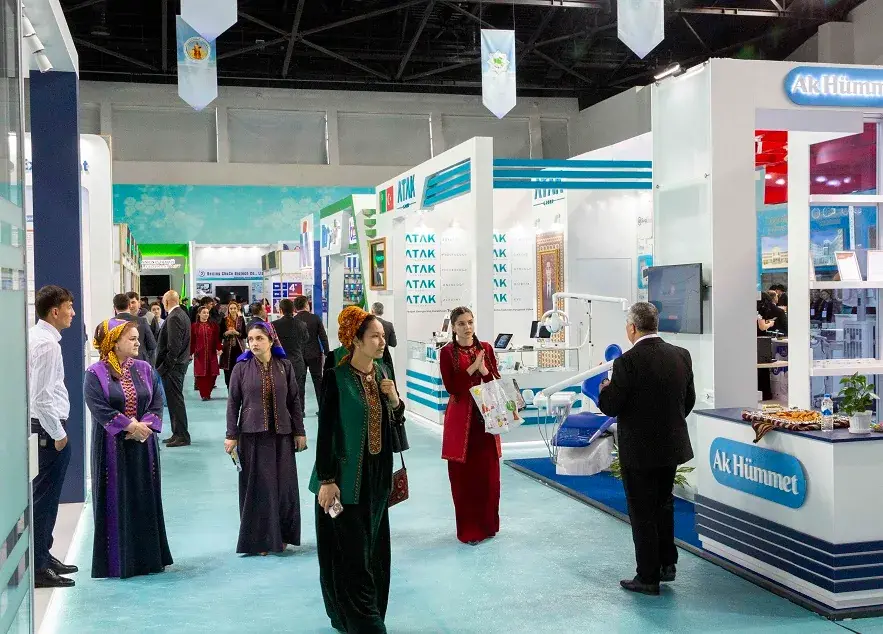
Major International Exhibition and Congress on Healthcare, Education, and Sports Opens in Turkmenistan
10 Oct. 07:33A multi-sector international exhibition and scientific conference celebrating National Healthcare and Pharmaceutical Industry Workers' Day officially opened at the Chamber of Commerce and Industry Expo Center in Ashgabat. In his official greeting to attendees, President of Turkmenistan Serdar Berdimuhamedov highlighted the ongoing integration of advanced technologies and international collaboration. The President noted that key landmarks during this 35th anniversary year of independence include the opening of new International Centers for Oncology, Pediatrics, and Dentistry, alongside modern expansions at the "Archman" health resort.
Running through October 12, the three-day event serves as a global platform uniting state ministries, international manufacturers, medical specialists, and researchers. The agenda encompasses interactive exhibition stands, technical sessions, specialized workshops, and strategic B2B and B2G business negotiations.
Blitz