
Playlist
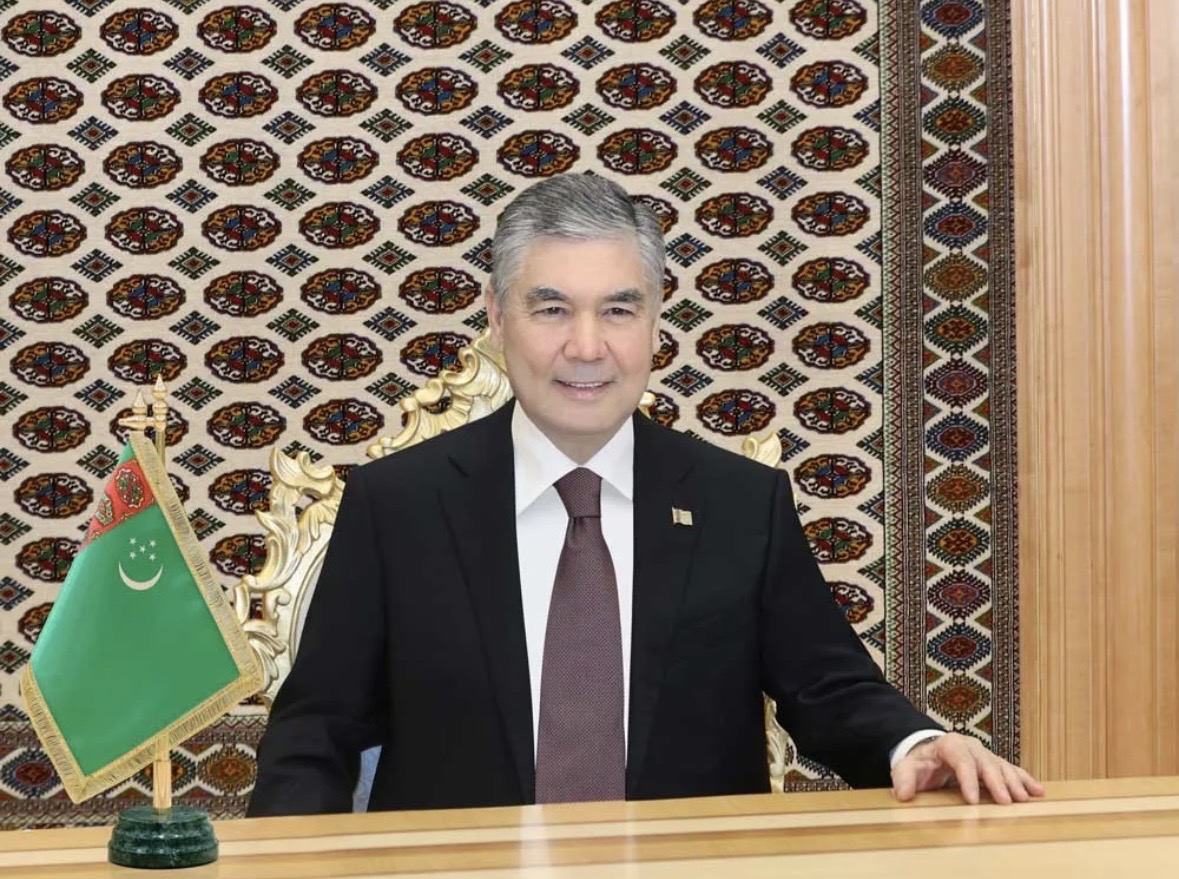
World leaders congratulate the National Leader of the Turkmen People, Chairman of the Halk Maslahaty on his birthday
29 Jun. 06:42The Chairman of the Halk Maslahaty of Turkmenistan and National Leader of the Turkmen People, Gurbanguly Berdimuhamedov, received numerous congratulatory letters and official telegrams from foreign heads of state, government leaders, and prominent international figures on the occasion of his birthday. As reported by the official "Turkmenistan" newspaper, the diplomatic correspondence highly praises the National Leader's extensive statecraft and his significant contributions to strengthening bilateral ties and international cooperation.
Sincere congratulations and best wishes for robust health and longevity were extended by the President of the Republic of Uzbekistan Shavkat Mirziyoyev, the President of the Republic of Azerbaijan Ilham Aliyev, the President of the Republic of Tajikistan Emomali Rahmon, the President of the Republic of Korea Lee Jae-myung, the President of the Republic of Belarus Aleksandr Lukashenko, and the President of Ukraine Volodymyr Zelenskyy. The world leaders emphasized their continued commitment to advancing strategic partnerships with Turkmenistan.
Furthermore, formal greetings were conveyed by the Prime Minister of the Republic of Armenia Nikol Pashinyan, the Prime Minister of the Russian Federation Mikhail Mishustin, the Deputy Chairman of the Security Council of the Russian Federation Dmitry Medvedev, and the Chairwoman of the Federation Council of the Federal Assembly of the Russian Federation Valentina Matvienko. Additional warm wishes were extended by Sheikh Faisal bin Nasser bin Hamad Al Thani, a member of the ruling family of the State of Qatar, Neda Berger, Head of the Turkmen-Austrian Society, and Dmitry Kobitsky, Secretary General of the Council of the CIS Interparliamentary Assembly, highlighting the ongoing importance of humanitarian and parliamentary diplomacy.
Also read
Solar Mini-Grids to Power Remote Communities Across Turkmenistan Under New Four-Million-Dollar UNDP Initiative
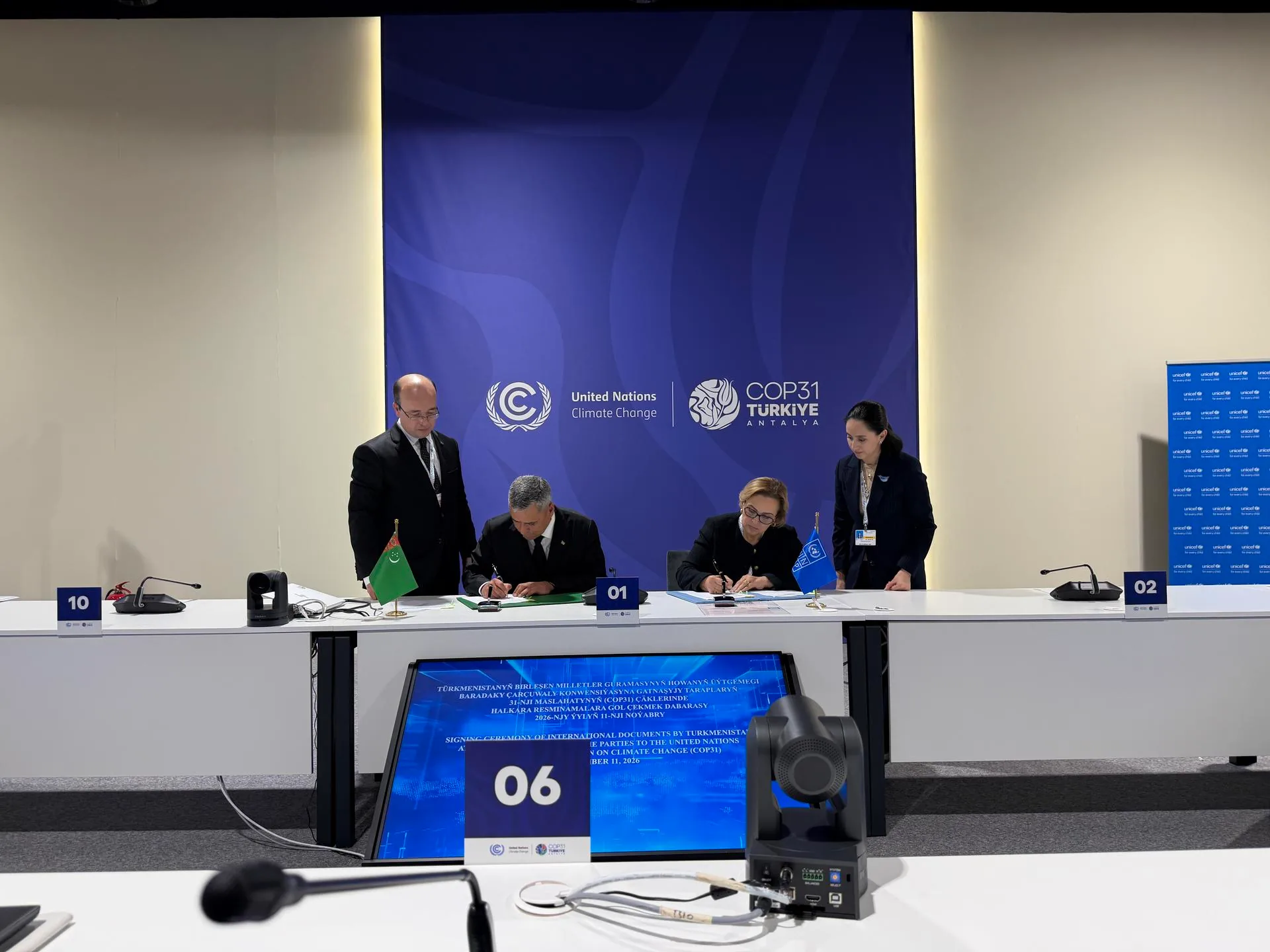
13 Nov. 14:30Following the landmark climate agreements signed on the sidelines of the COP31 conference in Antalya, the United Nations Development Programme (UNDP) has unveiled comprehensive details regarding its upcoming clean energy partnership with the Government of Turkmenistan. Backed by a Global Environment Facility (GEF) grant exceeding 4.17 million US dollars, the five-year project titled "Supporting Energy Transition for Remote Settlements of Turkmenistan" will be executed by the United Nations Office for Project Services (UNOPS) in close coordination with Turkmenistan's Ministry of Environmental Protection and Ministry of Energy.
A central pillar of the initiative involves installing and commissioning up to ten pilot solar mini-power plants with a combined capacity of up to 2 MW in isolated communities that currently rely heavily on diesel generators for electricity. These demonstration facilities will showcase the viability of solar power across Turkmenistan's remote regions and establish a blueprint for broader clean energy adoption. Building upon the operational experience gained from these initial sites, experts will conduct feasibility assessments and prepare tailored technical solutions for potentially deploying solar energy systems in an additional 120 remote settlements.
Beyond physical infrastructure, the project focuses on strengthening the regulatory and institutional framework for renewable energy, training local specialists, and expanding domestic technical expertise. UNDP Resident Representative in Turkmenistan Narine Sahakyan noted that expanding access to reliable, clean electricity significantly enhances community resilience and human well-being—particularly for women and vulnerable groups—by translating national ambitions into tangible investments. The program directly supports Turkmenistan's National Strategy for the Development of Renewable Energy through 2030, advancing the country's commitments under the Paris Agreement and the United Nations Sustainable Development Goals.
Blitz