
Playlist
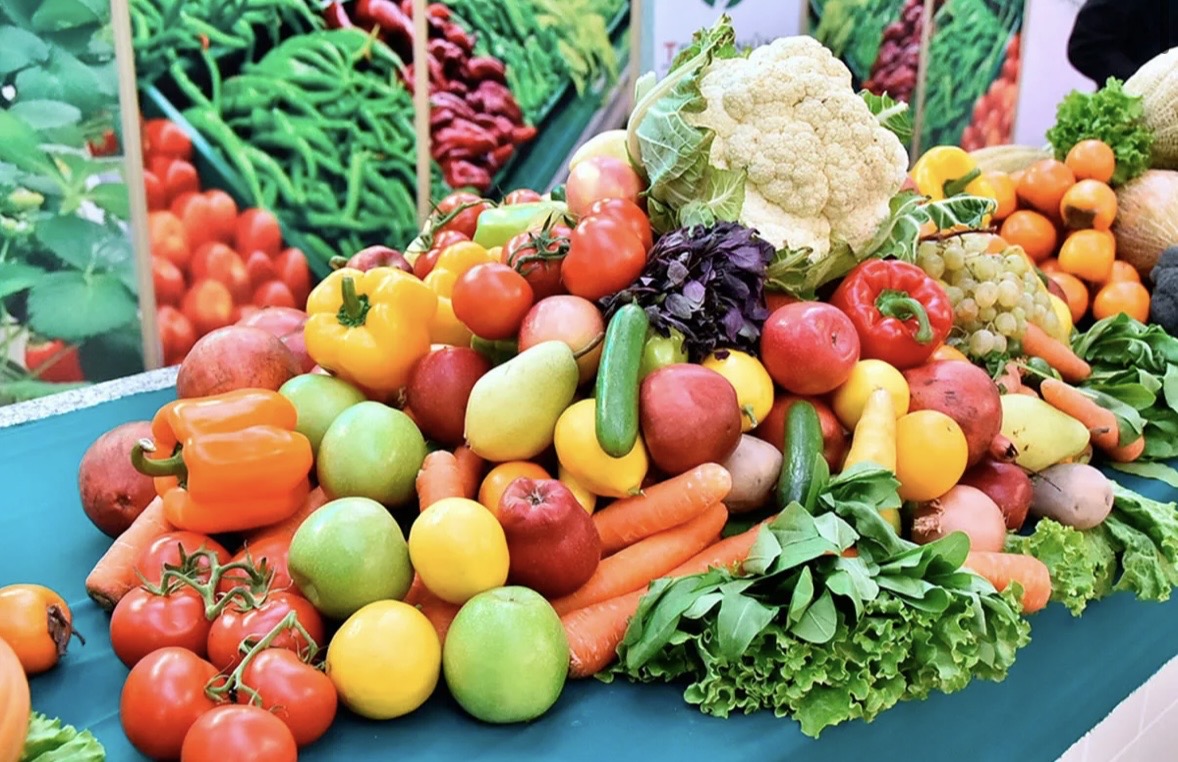
Western Province Strategy Outlines Substantial Increase in Agricultural Production Volumes
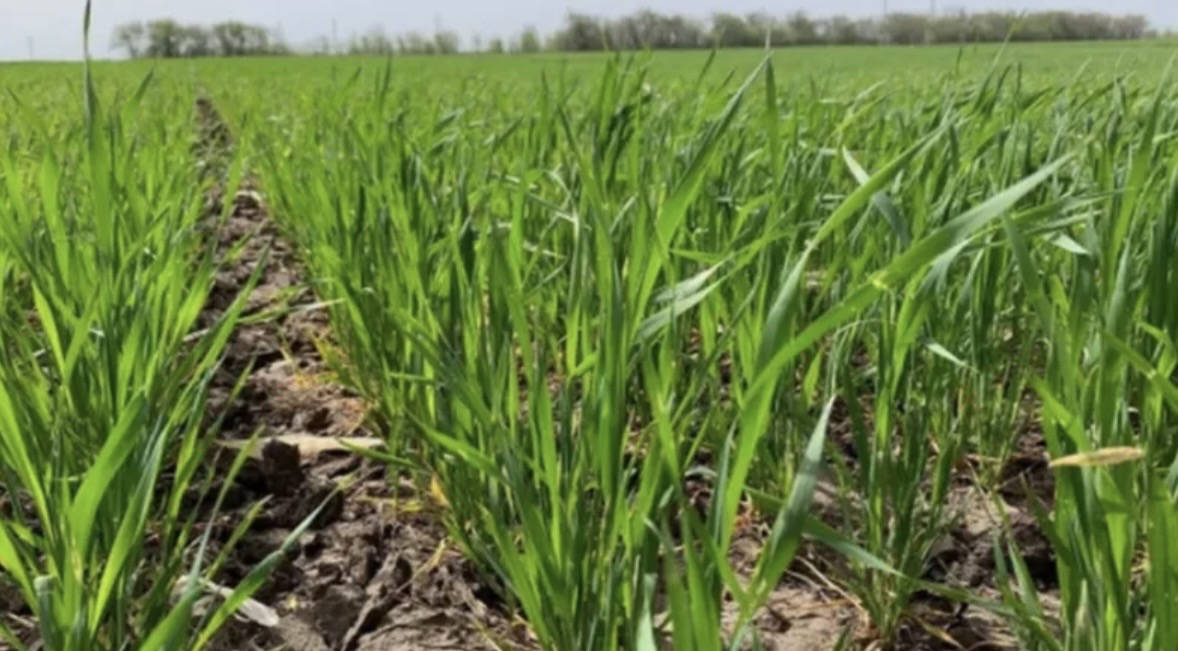
19 May. 05:30In line with strategic directives aimed at maximizing domestic food security and expanding agrarian output, regional authorities in the Balkan province have ratified specific production metrics for the current crop cycle. Cultivation schedules across thousands of hectares have been synchronized with modern agronomic standards. The systematic monitoring of farmlands is projected to yield high-tonnage outputs of premium melons and watermelons, optimizing the commercial value of the sector.
Concurrently, local agricultural enterprises have diversified the regional potato farming sector by splitting operations into spring and autumn phases to maintain a continuous supply chain. This large-scale fieldwork relies heavily on the technical support provided by state mechanization units, ensuring optimal tractor and machinery operations during critical irrigation and fertilizing cycles.
The production of essential root vegetables and brassicas, including onions, cabbage, and carrots, is likewise showing accelerated growth trends due to early-season agro-technical implementation. Local leaseholders are utilizing advanced soil management techniques to guarantee thousands of tons in high-yield outputs from designated tracts. These initiatives are focused on satisfying the industrial processing demand and direct retail markets.
Furthermore, protective and open-field farming for tomatoes and cucumbers remains a key focal point of the regional agricultural paradigm. Farmers have leveraged heat-resistant and climate-adapted seed varieties to secure comprehensive harvest forecasts. The integration of modern post-harvest storage facilities across the province is expected to minimize supply volatility in domestic distribution networks.
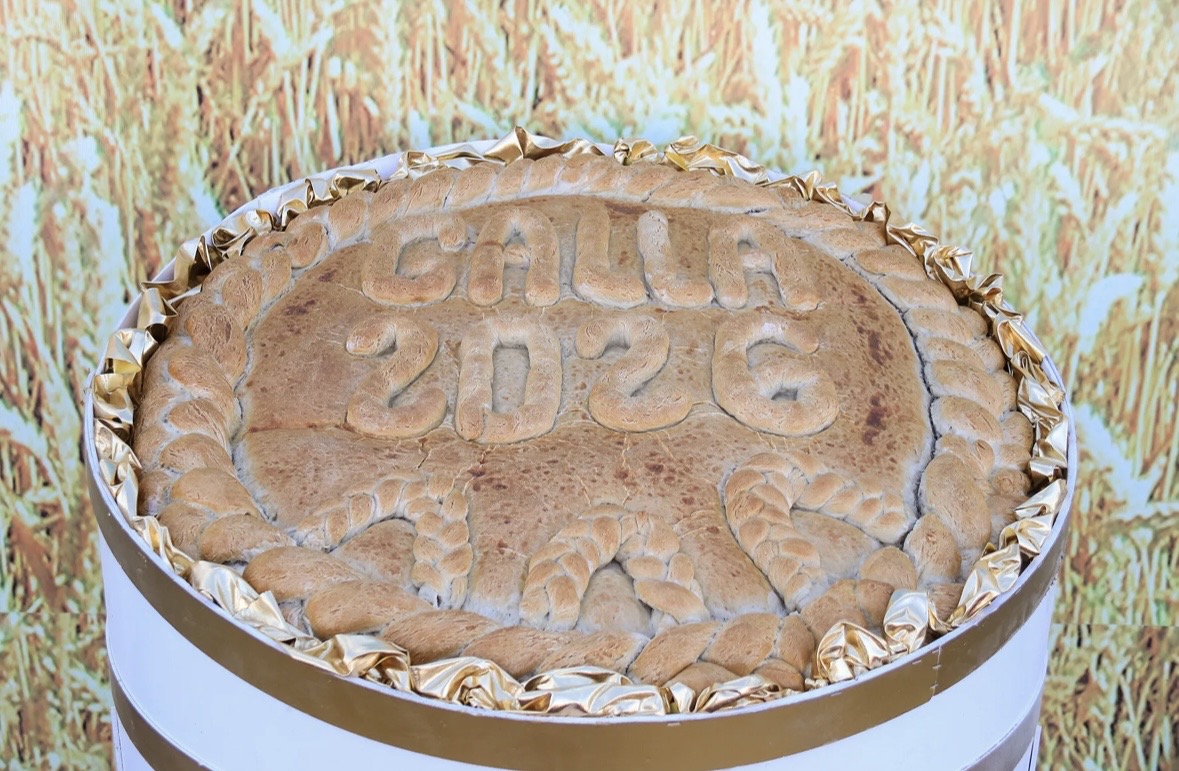

A rye-wheat loaf preserved in a freezer for 36 years has been put on public display as part of the permanent exhibition at the Deutschlandmuseum in Berlin. Dubbed "The Last Loaf of the GDR," it was originally purchased on June 26, 1990, by student Michael Hagedorn, who bought an extra loaf fearing potential food shortages amidst the economic unification of East and West Germany.
The museum's director, Robert Rückel, described the unusual artifact as a unique poignant symbol of everyday human decisions during times of monumental geopolitical change. To maintain its preserved state, the museum installed a custom refrigeration unit where the historical loaf remains permanently frozen for visitors to view.
Blitz