
Playlist
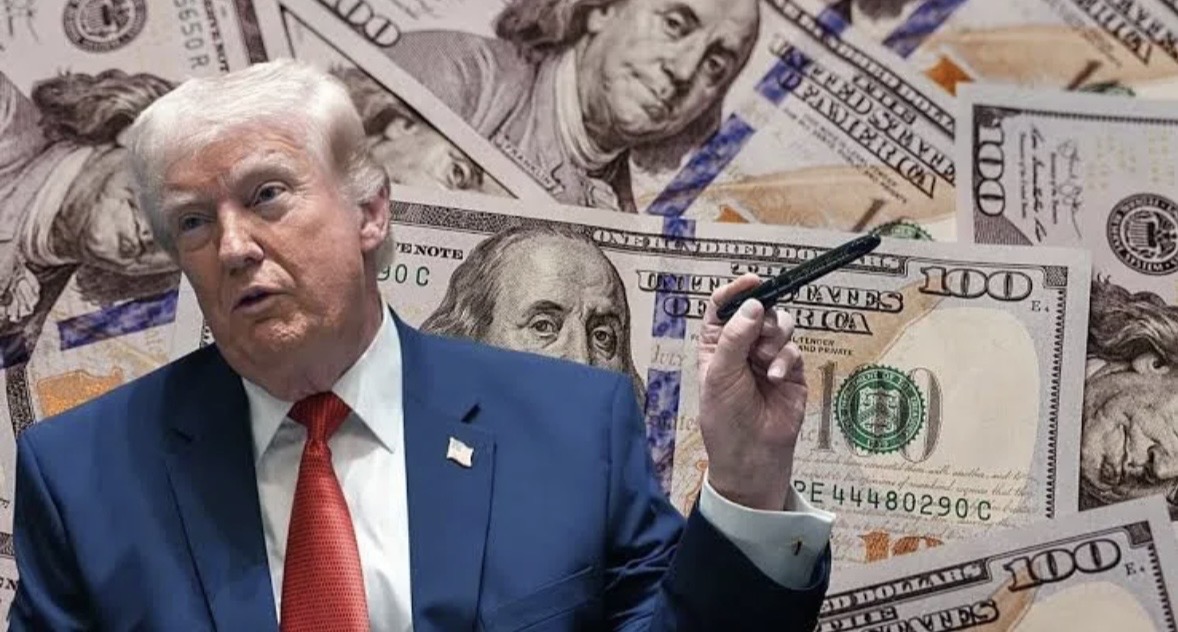
The U.S. administration is considering the introduction of a new 250-dollar bill to coincide with the upcoming 250th anniversary of the nation’s independence. A key feature of this proposal is the inclusion of President Donald Trump’s portrait on the banknote. This initiative aims to mark the historic milestone of the country’s founding through a significant update to the national currency.
However, the proposal faces substantial legal hurdles rooted in long-standing federal statutes. Under current U.S. law, the portraits of living individuals are prohibited from appearing on government securities and currency, which is reserved exclusively for deceased historical figures. This regulation poses a direct challenge to the plan of featuring the current head of state on a legal tender.
Former officials of the Bureau of Engraving and Printing have pointed out that such a project cannot proceed without explicit authorization from Congress. They emphasize that any departure from established currency standards requires a legislative mandate. Consequently, the realization of this banknote would necessitate a major shift in existing legal frameworks and broad political consensus.
In addition to the legal complexities, the technical production of a new banknote is a multi-year endeavor. Experts estimate that the process—encompassing design, security integration, and final manufacturing—could take between six and eight years. This timeline indicates that the launch of the commemorative bill is a long-term project rather than an immediate change to the financial system.
Also read



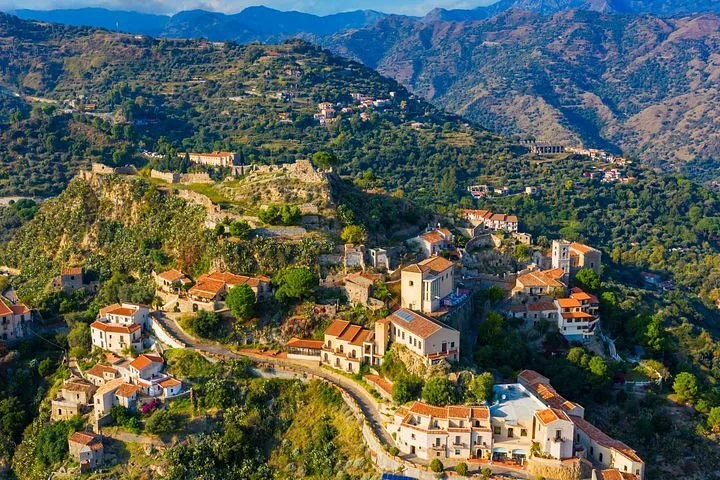
Italy’s Calabria Region Offers 50 Free Renovated Homes to New Residents
18 Nov. 16:44Regional authorities in southern Italy’s Calabria have launched a new initiative titled "La Calabria ti regala la casa" (Calabria Gifts You a Home) to attract newcomers and curb population decline. Under the scheme, 50 properties located across 26 small towns and villages with fewer than 5,000 inhabitants will be handed over rent-free for up to ten years. Unlike Italy's well-known "one-euro home" programs that require buyers to fund costly restorations themselves, the Calabrian government has allocated €20 million to cover all renovation expenses.
Recipients do not gain legal ownership of the properties, which are instead provided under a ten-year free-use agreement, with post-decade terms still yet to be finalized. Eligibility is open to adults over 18 who have lived outside Calabria for at least three years and are willing to relocate there permanently. Subletting the residences or listing them as tourist rentals is strictly prohibited.
The available housing stock includes apartments in historic medieval centers, garden homes, and properties overlooking the mountains. Priority during the selection process will be given to Italian expatriates returning from abroad, young families, single parents, remote workers, artisans, cultural professionals, and individuals with disabilities.
This housing drive comes in response to a sharp demographic downturn, as Calabria’s population dropped by 6.4% over the past decade—the steepest decline in Italy, contrasting sharply with Lombardy's 1.1% growth. The region has previously introduced other bold incentives, including relocation grants of up to €28,000 in 2021 and a €1,000 monthly stipend launched in 2026 for local university students to keep young talent from moving north.
Blitz