
Playlist

The World Meteorological Organization (WMO) of the UN has reported an unprecedented rate of glacier melting in Iceland and along the Pacific coast of North America in 2025. According to the "State of the Global Climate in 2025" report, as cited by "Armenpress," these observations highlight a severe acceleration in the impacts of climate change. The loss of ice mass in these regions is viewed as a stark warning of the warming planet's fragile state.
WMO data indicates that during this period, the overall glacier levels fell into the bottom five lowest recordings since continuous monitoring began in the 1950s. While the years 2022–2023 also saw significant declines, the 2025 data specifically points to record-breaking losses in Iceland. Scientists emphasize that the rapid disappearance of glaciers threatens biodiversity, local water supplies, and traditional landscapes in the affected northern territories.
The UN assessment further clarifies that between 1993 and 2018, the rise in global sea levels has been directly linked to the melting of glaciers and polar ice sheets. Thermal expansion of the oceans due to warming accounts for 42% of this rise, while the melting of Greenland's ice sheets contributes 15% and Antarctica's ice sheets contribute 8%. The accelerated melting of glaciers in places like Iceland adds significantly to the remaining volume, heightening the risk for coastal communities worldwide.
The report serves as a call to action for global leaders to strengthen environmental policies and reduce carbon emissions. The loss of Icelandic glaciers is not merely a regional issue but a clear indicator of a global climate emergency. Protecting these ancient ice structures is essential for maintaining the Earth's climatic balance and preventing the further escalation of sea-level rise and other climate-related disasters.
Also read


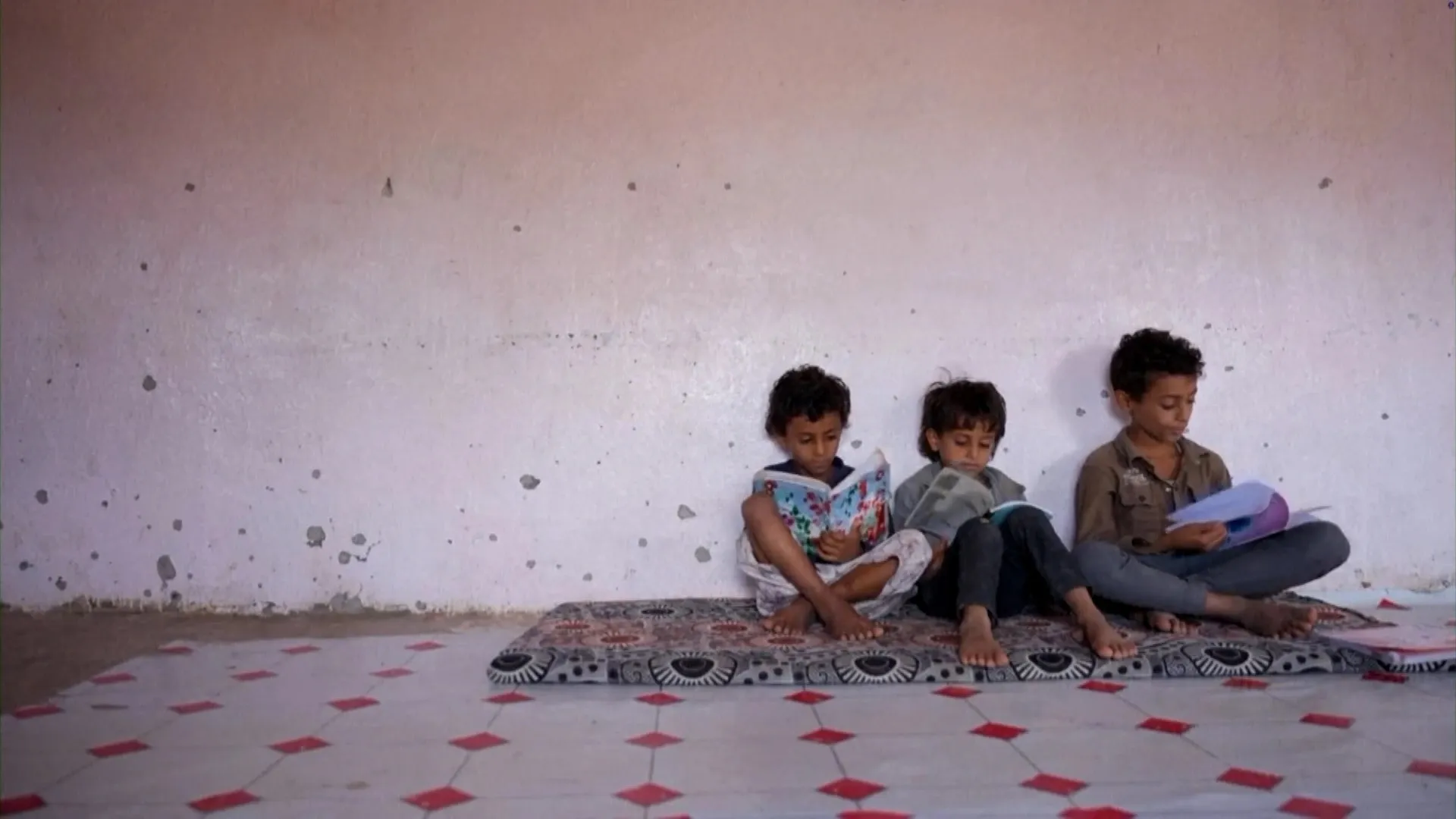
Number of Children Living in Conflict Zones Reaches Record High Since the Cold War
20 Nov. 02:26Every fourth child across the globe is currently living in an active conflict zone, according to alarming new figures released by the international humanitarian organization Save the Children and cited by news.by. Researchers have documented 589 million children residing in global flashpoints, marking the highest level recorded since the end of the Cold War.
Humanitarian analysts emphasize that the scale of the crisis has escalated sharply over a relatively short period, with the number of children exposed to armed violence increasing by more than 1.5 times over the past decade alone. Conditions remain especially devastating across the Middle East and Africa, where ongoing hostilities and severe deprivation claim the lives of nearly five million children under the age of five every year.
Blitz