
Playlist
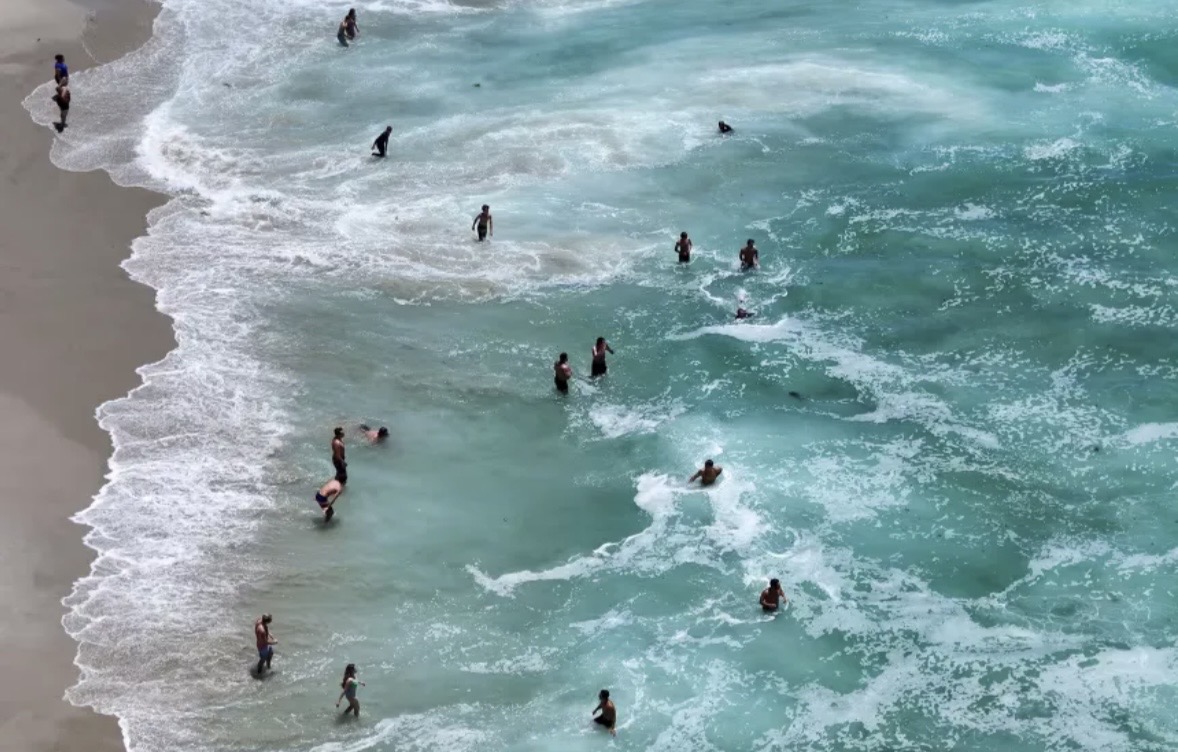
The average surface temperature of the World Ocean has reached an unprecedented historical maximum for the month of June, climbing to 20,86°C for the first time in recorded history. This new peak was officially documented on June 21, surpassing the previous record established in 2024. The consolidated data, compiled from satellite tracking, maritime vessels, and oceanic buoys, was released by the European Union's Copernicus Climate Change Service.
Concurrently, the specialized Copernicus Marine Service verified a matching trajectory within its independent hydrological tracking parameters. According to the agency's data matrix, the absolute temperature of the upper maritime layer touched 21°C on June 21, creating an additional milestone for seasonal baseline metrics during the early summer cycle.
Environmental experts directly attribute this anomalous heating of global maritime reservoirs to the active cycle of the El Niño weather phenomenon, which systematically drives water temperatures above standard baselines across the equatorial Pacific Ocean. Simultaneously, research scientists emphasize that these environmental shifts are heavily amplified by long-term climate alterations resulting from global human industrial activity.
Carlo Buontempo, Director of the Copernicus Climate Change Service, indicated that these current physical metrics could point to the initiation of a more volatile phase in planetary climate evolution. He observed that the current level of thermal energy stored within the ocean, paired with the trajectory of El Niño, will likely generate further atmospheric and marine temperature records in the coming months.
Meteorological agencies warn that sustained ocean warming is projected to cause severe global anomalies, including intensified heatwaves, more destructive tropical storms, and elevated risks of catastrophic rainfall and flooding. Furthermore, the elevated thermal conditions threaten marine biology by inducing widespread coral bleaching, disrupting aquatic habitats, and accelerating the net rise in global sea levels.
Also read




A rye-wheat loaf preserved in a freezer for 36 years has been put on public display as part of the permanent exhibition at the Deutschlandmuseum in Berlin. Dubbed "The Last Loaf of the GDR," it was originally purchased on June 26, 1990, by student Michael Hagedorn, who bought an extra loaf fearing potential food shortages amidst the economic unification of East and West Germany.
The museum's director, Robert Rückel, described the unusual artifact as a unique poignant symbol of everyday human decisions during times of monumental geopolitical change. To maintain its preserved state, the museum installed a custom refrigeration unit where the historical loaf remains permanently frozen for visitors to view.
Blitz