
Playlist
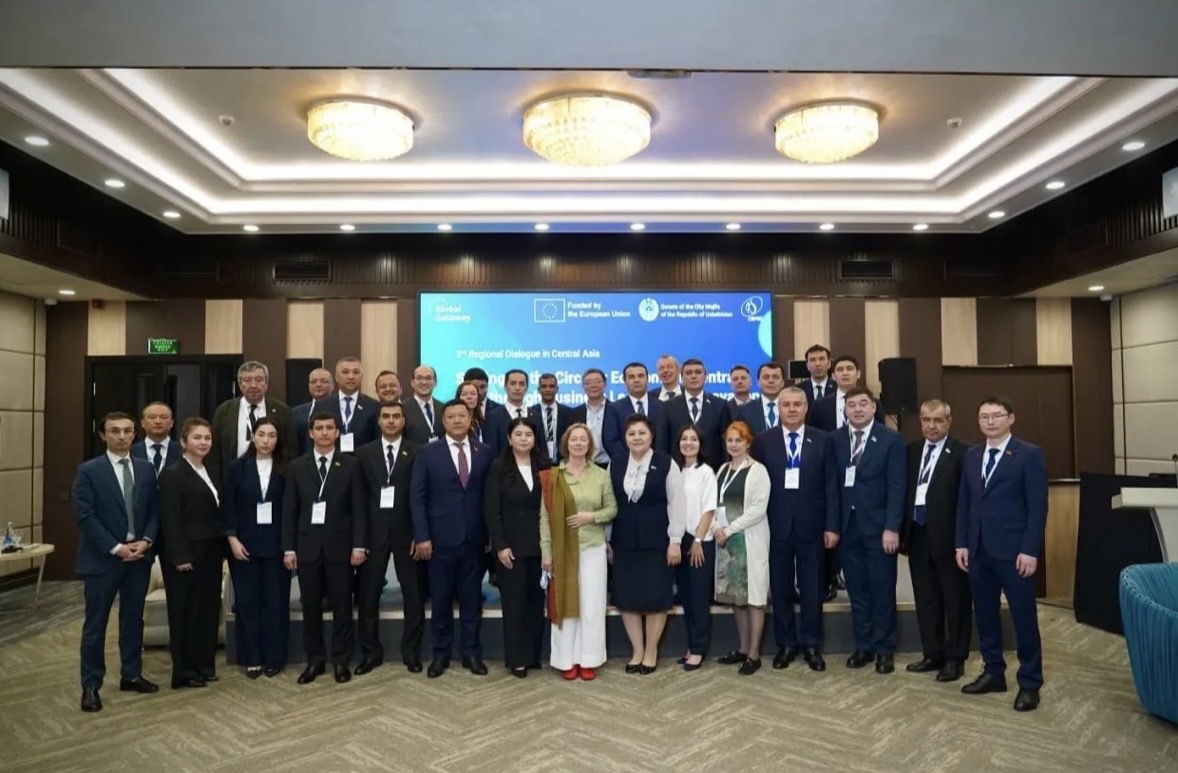
Turkmenistan’s Parliamentarians Engage in Regional Circular Economy Dialogue in Tashkent
12 Apr. 10:08Representatives of the Mejlis of Turkmenistan participated in the third regional inter-parliamentary dialogue on the development of a circular economy, held in Tashkent on April 9-10, 2026. This international event, conducted under the auspices of the European Union’s "SWITCH-Asia" program, provided a strategic forum for Central Asian nations to discuss resource efficiency. The dialogue focused on aligning legislative frameworks with global sustainability goals and fostering a transition toward green economic models.
During the sessions, the Turkmen delegation highlighted the nation's progressive experience in implementing circular economy principles as a core component of its state policy. The representatives emphasized that reducing industrial waste, encouraging eco-friendly innovations, and attracting targeted investments remain top priorities for the government. Turkmenistan’s commitment to environmental well-being through systematic economic reforms was presented as a key driver for regional sustainable development.
A significant portion of the dialogue was dedicated to reviewing national progress across Central Asia regarding the adoption of "green" growth strategies. Speakers discussed the practical application of sustainable consumption and production patterns, sharing insights into how legislative initiatives can incentivize businesses to adopt circular practices. The exchange of best practices aimed to harmonize regional efforts in mitigating environmental impact while maintaining economic momentum.
The meeting concluded with a call for enhanced inter-parliamentary cooperation to address shared ecological challenges. Participants underscored that establishing a robust circular economy is essential for achieving long-term regional stability and prosperity. Turkmenistan reaffirmed its readiness to collaborate with international partners and neighboring states to promote innovative technologies and sustainable management of natural resources within the Central Asian region.
Also read


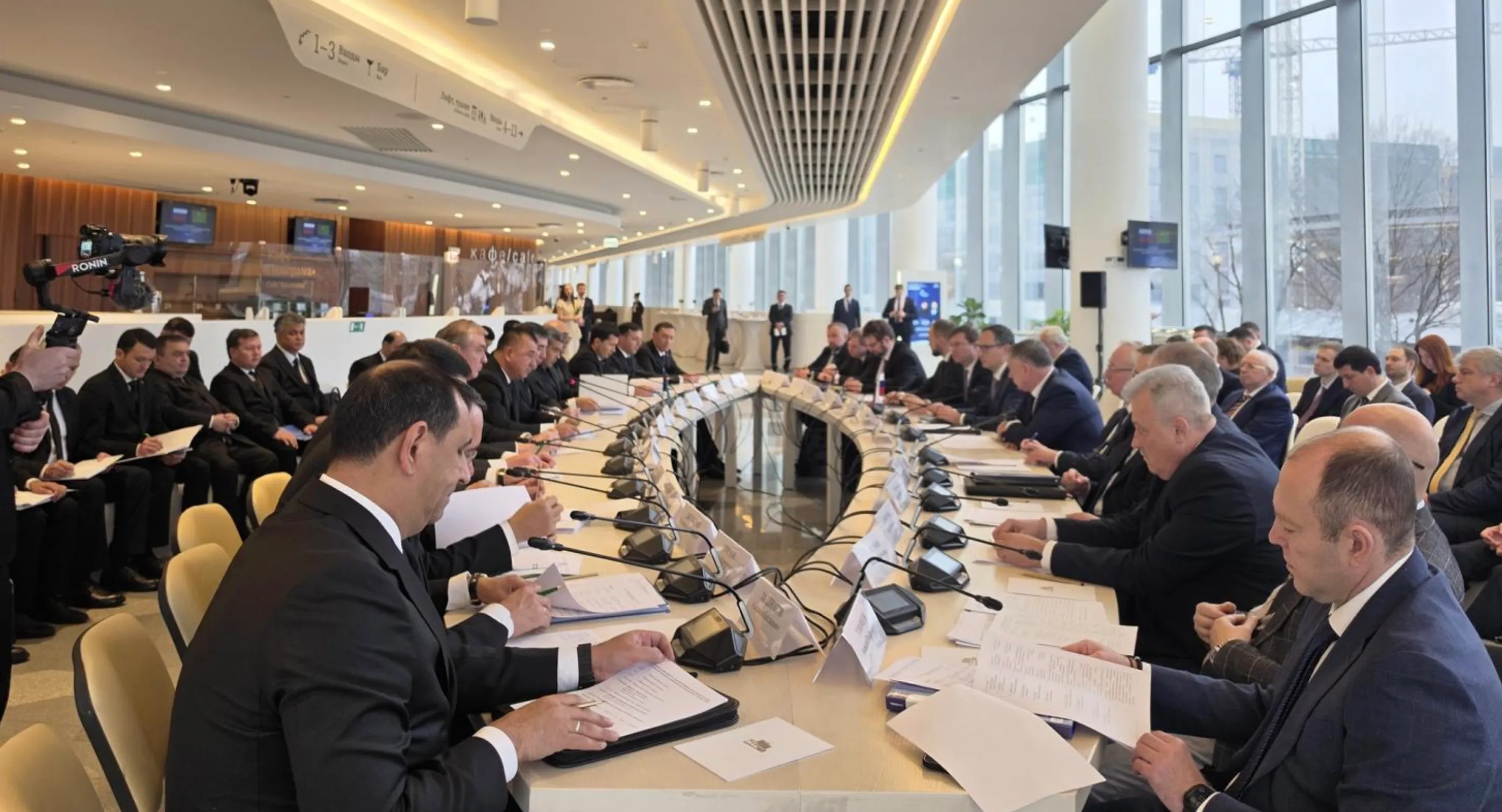
Turkmenistan and Russia Chart New Strategic Priorities at 14th Intergovernmental Commission Meeting in Moscow
23 Nov. 13:42On November 23, Moscow hosted the 14th session of the Intergovernmental Turkmen-Russian Commission on Economic Cooperation, co-chaired by Deputy Chairman of the Cabinet of Ministers of Turkmenistan Nokerguly Atagulyyev and Deputy Prime Minister of the Russian Federation Marat Khusnullin. According to the Ministry of Foreign Affairs of Turkmenistan, both delegations commended the productive momentum of interstate dialogue anchored in the principles of deepened strategic partnership. Participants underscored the pivotal role of high- and highest-level contacts in securing long-term bilateral progress, alongside regular intergovernmental, interparliamentary, and interagency exchanges.
During substantive discussions, the sides reviewed the current state of bilateral cooperation, evaluated the implementation of previously reached agreements, and identified priority areas for future growth. Particular focus was placed on expanding trade and economic ties, strengthening collaboration across the fuel and energy sector, industry, and agriculture, and fostering direct business-to-business links between companies of both countries. The agenda also encompassed expanding joint initiatives in transportation, communications, and digital technologies.
In the humanitarian sphere, delegations explored ways to deepen cooperation across education and science, healthcare, culture, sports, and environmental protection. Representatives of both friendly nations reaffirmed their commitment to actively advancing joint programs and put forward concrete proposals to broaden collaboration. Concluding the session held in an atmosphere of traditional friendship and mutual trust, the co-chairs signed the final Protocol of the 14th Meeting of the Intergovernmental Turkmen-Russian Commission on Economic Cooperation.
Blitz