
Playlist
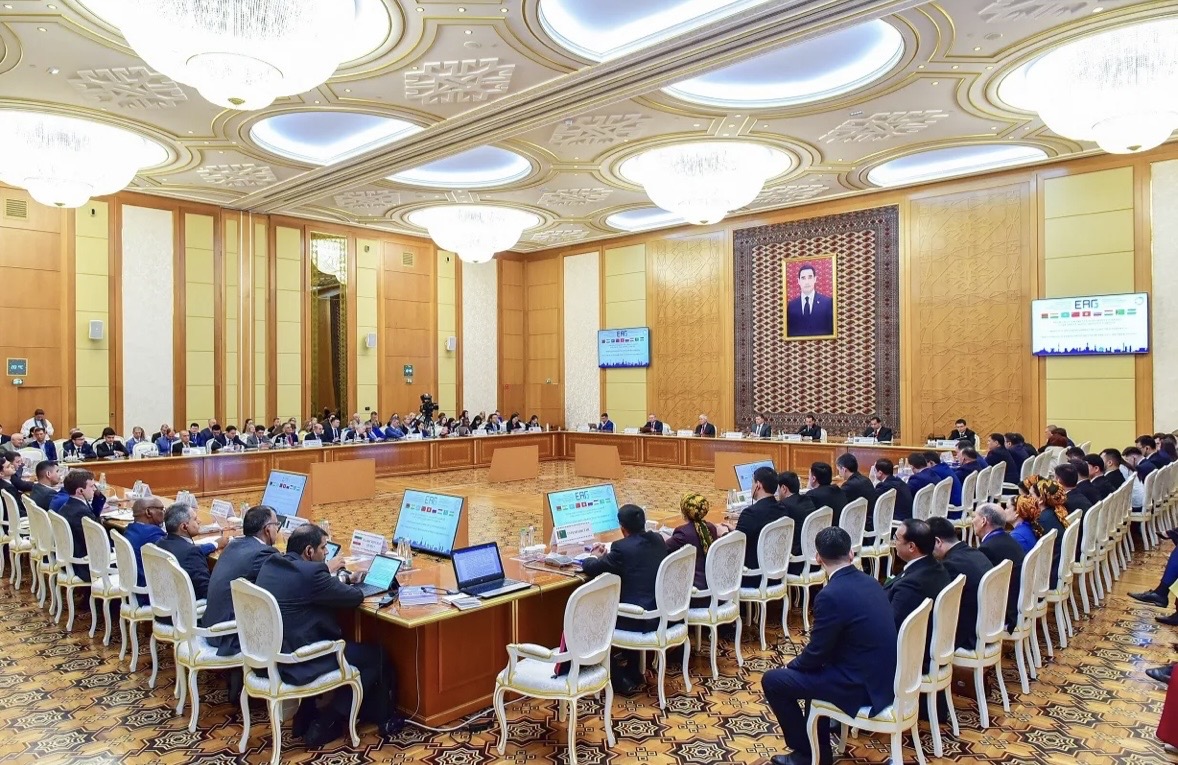
Turkmenistan's Parliament Enhances Statutory Frameworks for the Digital Economy and Cyberspace Protection
20 May. 10:54The legislative branch of Turkmenistan is executing a systematic modernization of its legal infrastructure governing advanced information technologies and electronic commerce. Key elements of this legislative agenda were outlined by parliamentary committee chairs during an international inter-parliamentary assembly hosted in Ashgabat. The ongoing statutory updates place particular emphasis on establishing transparent regulatory oversight for emerging financial technologies.
As part of these structural judicial reforms, the state enacted a comprehensive law regulating the creation and transactional flow of virtual assets. This specific statutory document provides the formal operational framework required to build a domestic digital financial market, including the establishment of virtual asset trading boards. The implementation of these standards is designed to accelerate institutional IT literacy and promote technology-driven commercial enterprise.
Concurrently, national authorities ratified a medium-term strategic conception aimed at expanding the digital economy through the systematic deployment of cloud computing architectures, artificial intelligence, and centralized e-government mechanisms. To maintain public order within this evolving operational domain, the nation's Administrative Offenses Code was amended to refine and reinforce specific penal measures for infractions executed via telecommunications networks.
The preservation of national strategic interests within online networks is anchored by active cybersecurity legislation, which codifies the protection of critical information infrastructure. This statutory matrix also establishes the legal baseline for cross-border cooperation with international agencies to mitigate global digital vulnerabilities. These developments were evaluated within a multilateral framework involving legislative delegations from several Central and South Asian states.
Also read
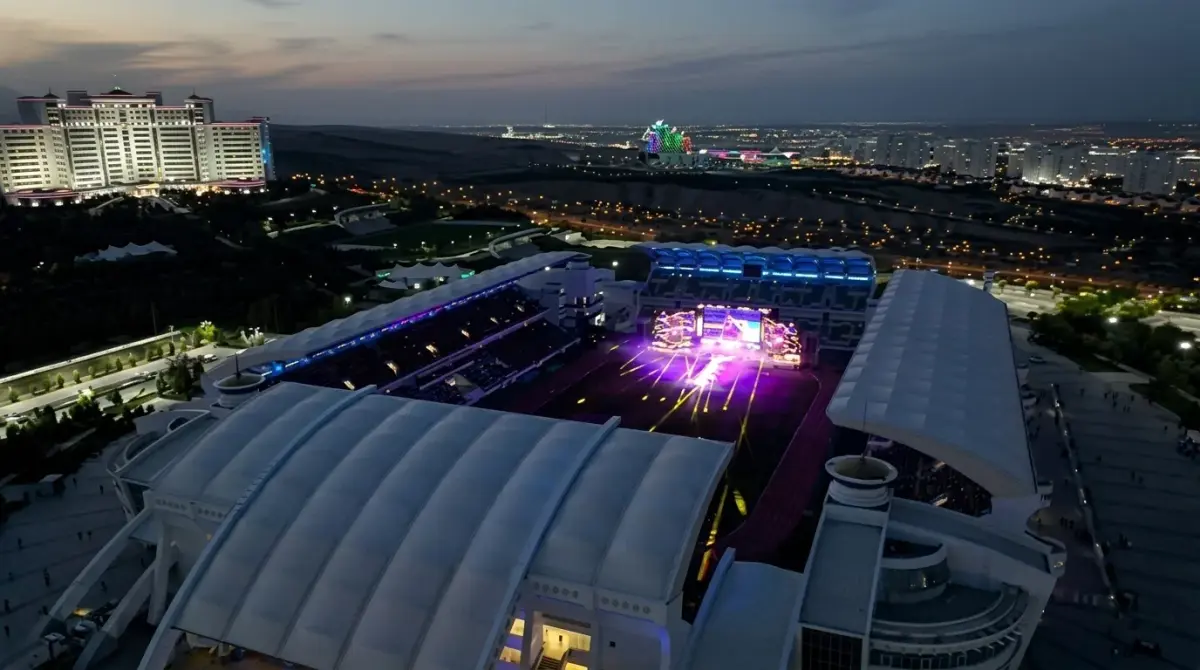
Grand Musical Gala in Ashgabat: International Pop Stars Perform at Capital Stadium
10 Oct. 06:14A festive concert featuring prominent international and domestic artists was hosted at the "Ashgabat" Multi-Purpose Stadium. The line-up included Russian Pop Star and Honored Artist of Turkmenistan Nyusha, Lebanese singer Maya Diab, Turkish pop icons Murat Boz and Hadise, along with Arsen Shakhunts. Nyusha surprised the audience by concluding her performance with the song "Bagt Nury," composed by National Leader of the Turkmen People Gurbanguly Berdimuhamedov.
Dedicated to the 35th Anniversary of Turkmenistan’s Independence, the event brought together thousands of music enthusiasts. Following their stage performances, the international guest artists expressed deep admiration for Ashgabat's urban aesthetic and the warm hospitality extended by the Turkmen public.
Blitz