
Playlist
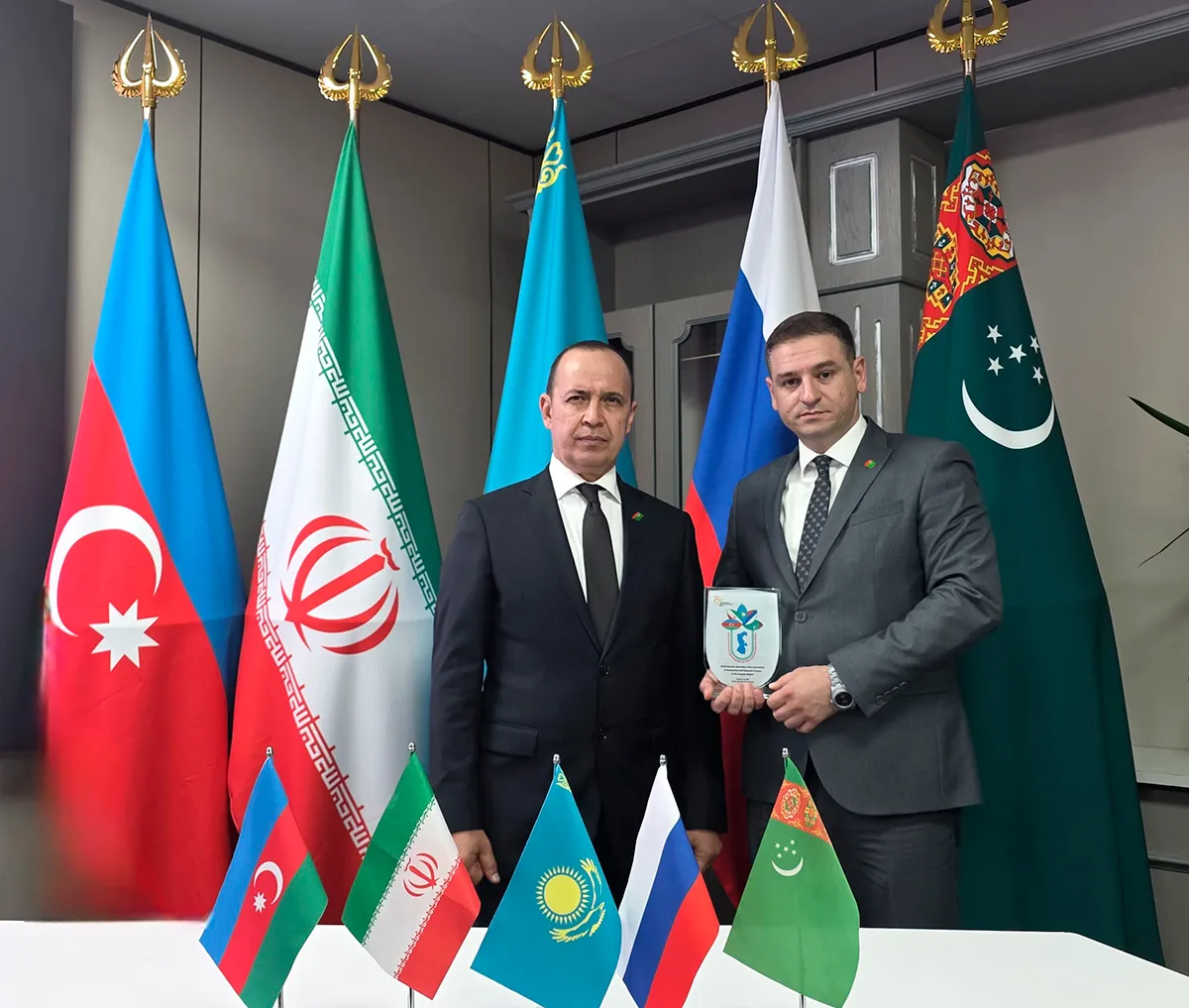
Turkmenistan University Joins the Caspian Universities Association
25 Oct. 09:18The State Medical University of Turkmenistan, named after Myrat Garriyev, has joined the Association of Universities and Research Centers of the Caspian countries. The membership was approved during the 27th General Assembly of the Association, which took place in Atyrau from October 16 to 17.
Representatives from universities and research organizations from Kazakhstan, Azerbaijan, Turkmenistan, Iran, and Russia participated in the assembly.
The inclusion of Turkmenistan’s medical university in the Association opens up new opportunities for expanding international cooperation, strengthening academic and scientific ties with universities and research institutes in the Caspian region, and implementing joint research initiatives and exchanging experiences, the source reports.
Also read



Number of New International Students in the US Drops by 15%
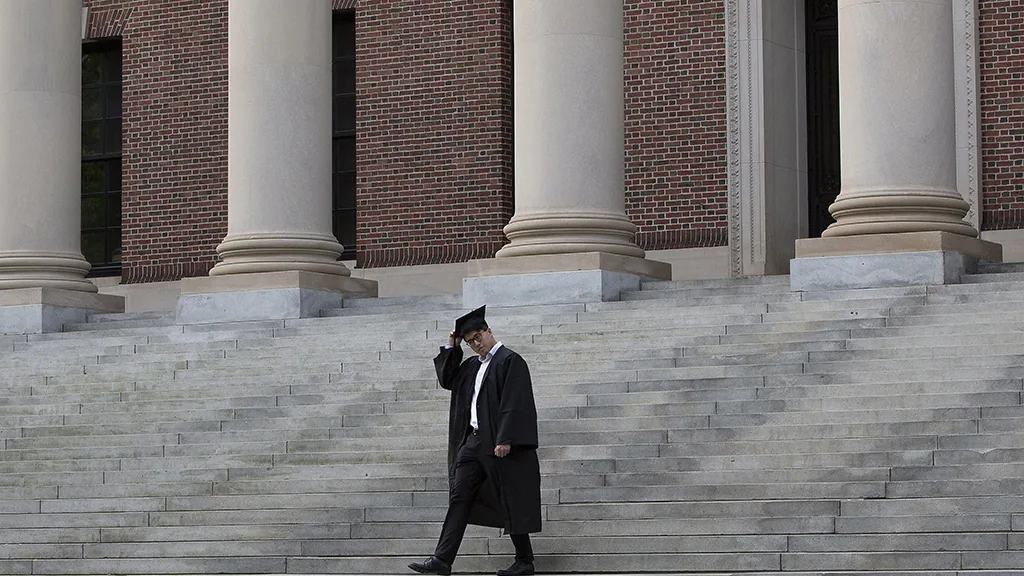
17 Nov. 17:00During the fall 2026 semester, the number of new international students enrolled in American educational institutions declined by 15% compared to the same period last year, according to CNBC. Over the entirety of the 2025–2026 academic year, the total population of international students in the United States dropped by more than 17%, with the steepest declines observed among students hailing from India and China.
Colleges surveyed by the publication attribute this downward trend to tighter US immigration policies and recent modifications governing student visa validity periods.
Data from NAFSA: Association of International Educators shows that international students contributed nearly $40 billion to the US economy during the 2025–2026 academic year. The drop in enrollment is projected to trigger financial losses of approximately $2.4 billion this academic year.
Fitch Ratings notes that shifts in visa regulations will primarily impact the financial stability of American colleges and universities. International enrollees typically pay full tuition or receive far less financial aid than domestic students. The consequences could prove especially severe for institutions heavily reliant on large master's programs and STEM (science, technology, engineering, and math) courses, which attract 57% of all international students.
Also read



Blitz