
Playlist
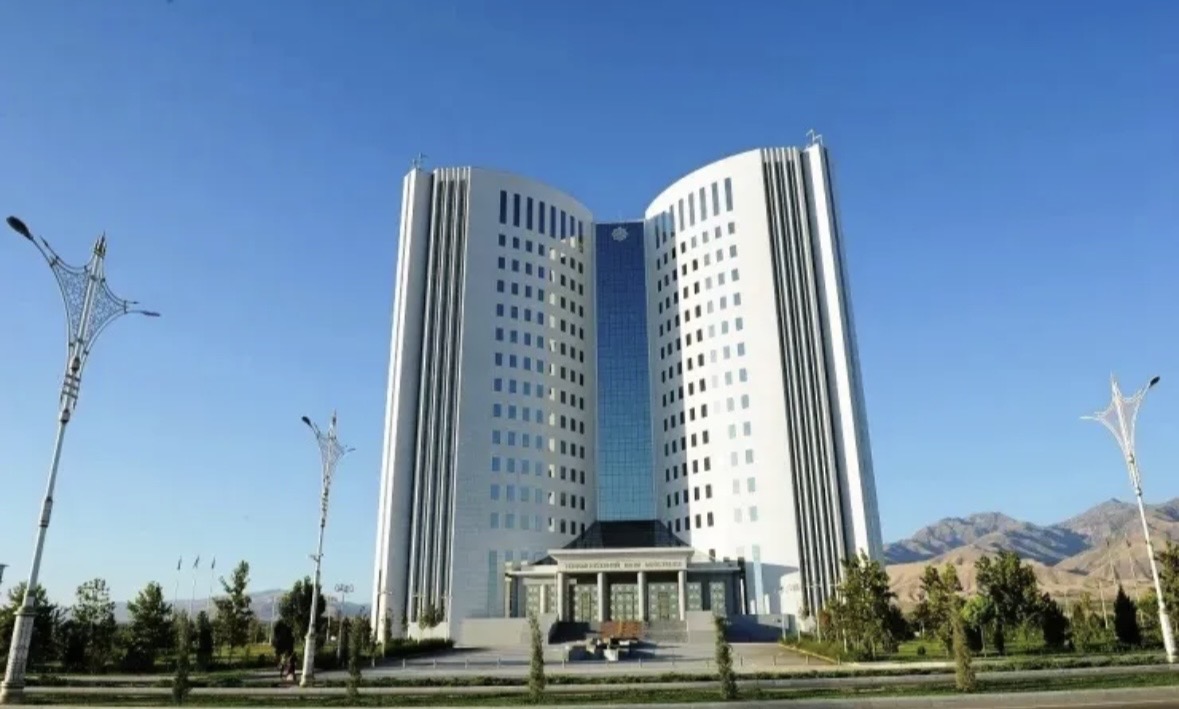
Turkmenistan Reforms Exact Sciences Teaching Methodology in Schools
01 Jun. 09:15A large-scale national scientific and practical conference dedicated to advancing STEM and exact sciences education took place in the Mary region. Organised by the Ministry of Education, the National Institute of Education, and the regional education department, the forum focused on comprehensive reforms. The primary agenda centered on raising the efficiency and quality of teaching mathematics, physics, and astronomy within modern educational frameworks.
The high-level event brought together prominent methodologists, researchers, schoolteachers, and preschool educators from all regions, including Ashgabat and the city of Arkadag. Representatives from professional development centers and faculty members from major pedagogical universities and colleges across Turkmenistan also participated. The gathering successfully bridged the gap between academic theory and classroom practice, fostering a collaborative environment for educators.
Key discussions revolved around the urgent need to continuously upgrade curriculum standards, textbooks, and teaching manuals. Participants emphasized that educational materials must evolve to reflect the latest global achievements in science and technology. Experts also highlighted the importance of introducing innovative pedagogical formats and establishing cross-disciplinary links starting from primary education to ensure deeper knowledge retention.
The integration of modern educational models, specifically STEM technologies and Artificial Intelligence (AI) tools, was identified as a strategic priority for the national schooling system. Speakers outlined specific mechanisms for incorporating these advanced digital solutions into daily lessons. Additionally, the sessions highlighted the vital role of traditional mentorship programs in enhancing the professional growth and mastery of young science educators.
Also read
Number of New International Students in the US Drops by 15%
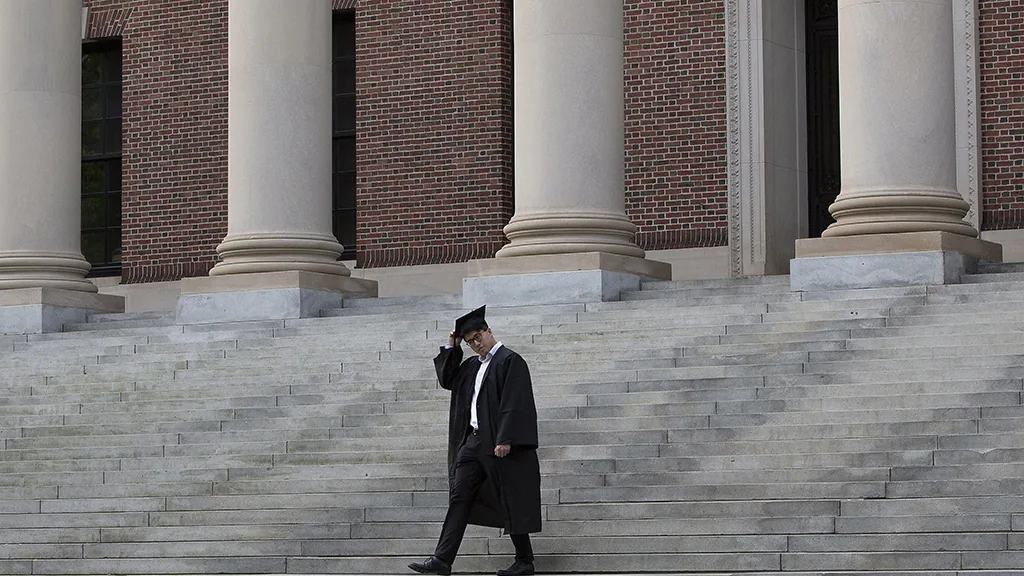
17 Nov. 17:00During the fall 2026 semester, the number of new international students enrolled in American educational institutions declined by 15% compared to the same period last year, according to CNBC. Over the entirety of the 2025–2026 academic year, the total population of international students in the United States dropped by more than 17%, with the steepest declines observed among students hailing from India and China.
Colleges surveyed by the publication attribute this downward trend to tighter US immigration policies and recent modifications governing student visa validity periods.
Data from NAFSA: Association of International Educators shows that international students contributed nearly $40 billion to the US economy during the 2025–2026 academic year. The drop in enrollment is projected to trigger financial losses of approximately $2.4 billion this academic year.
Fitch Ratings notes that shifts in visa regulations will primarily impact the financial stability of American colleges and universities. International enrollees typically pay full tuition or receive far less financial aid than domestic students. The consequences could prove especially severe for institutions heavily reliant on large master's programs and STEM (science, technology, engineering, and math) courses, which attract 57% of all international students.
Blitz