
Playlist
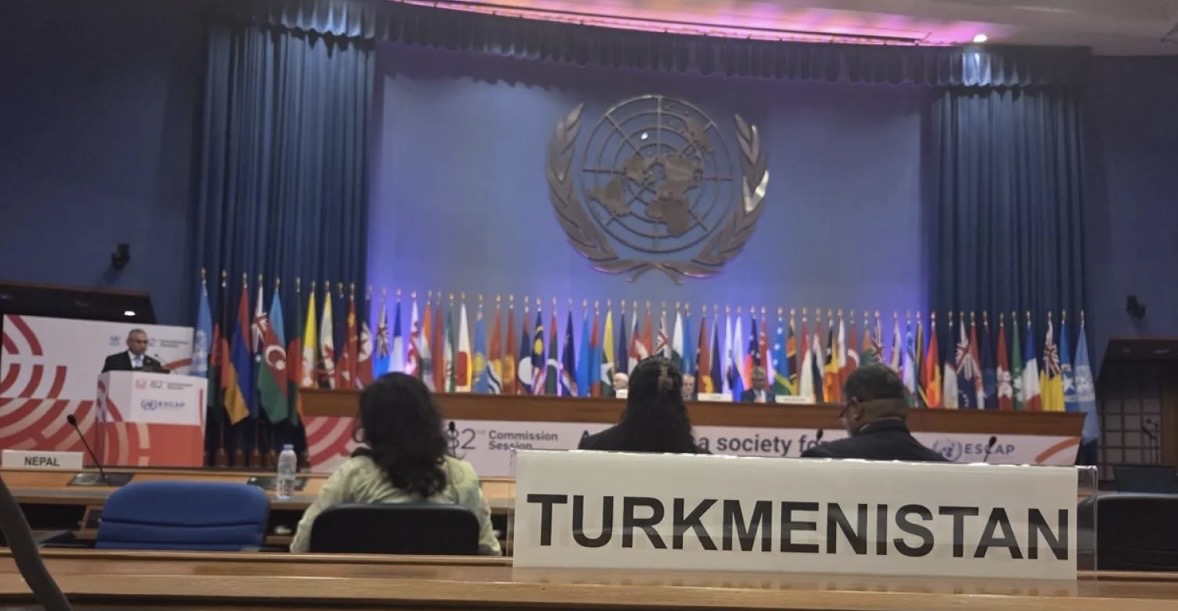
The 82nd session of the United Nations Economic and Social Commission for Asia and the Pacific (ESCAP) has officially opened at the UN Conference Centre in Bangkok, Thailand. Running through April 24, this high-level forum is centered on the theme: “Beyond leaving no one behind: Promoting an inclusive society for all ages in Asia and the Pacific.” Turkmenistan is represented by a delegation led by Perhat Ýagşyýew, the Deputy Minister of Finance and Economy.
Since becoming a full member in 1992, Turkmenistan has played a proactive role within ESCAP, particularly in the areas of statistical analysis, energy security, and transportation. The nation has frequently authored resolutions aimed at bolstering regional connectivity and environmental sustainability. Participation in this session reaffirms Turkmenistan’s commitment to the 2030 Agenda for Sustainable Development and its goals of regional economic integration.
The 82nd session’s agenda includes a wide array of topics such as macroeconomic policy, trade investment, and information and communication technologies. Delegations will also engage in discussions regarding disaster risk reduction, environmental protection, and social development. The forum provides a critical platform for member states to address shared challenges and foster innovation in science and technology to ensure inclusive growth across the region.
Also read


Wildfire Threat in California: Emergency Evacuations Ordered Near Los Angeles
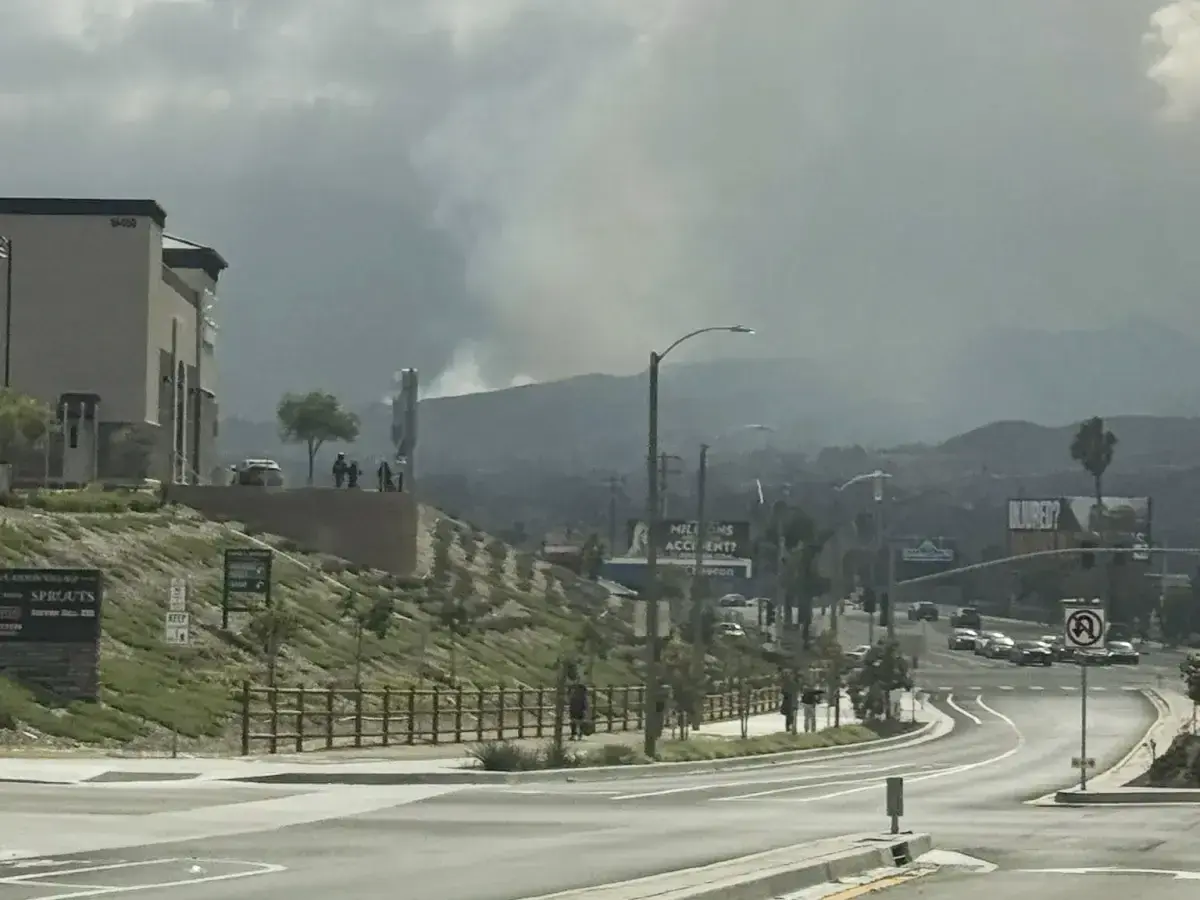
Today in 09:33A fast-moving wildfire named "Bike" broke out near the city of Santa Clarita, just outside Los Angeles, California. Covering over 70 hectares in a short span, the blaze prompted emergency evacuation orders across eight local sectors. A temporary shelter has been established for displaced residents at the College of the Canyons in Santa Clarita while authorities investigate the cause of the fire.
Blitz