
Playlist
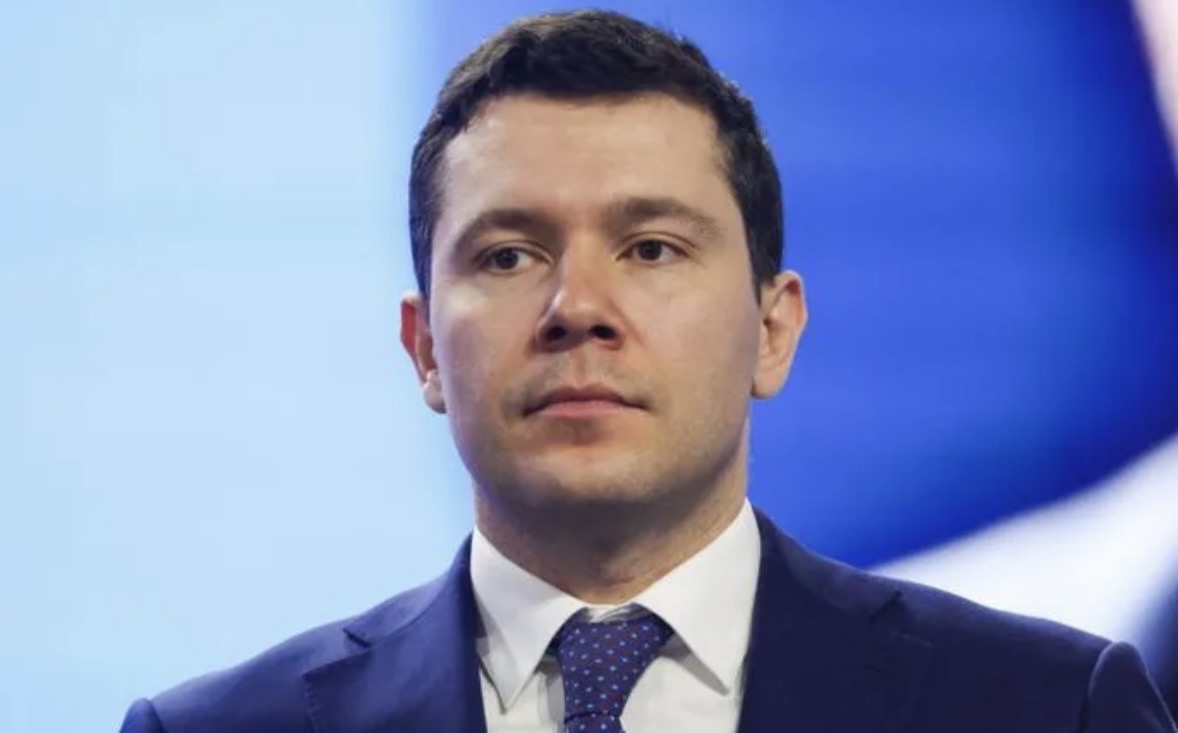
Turkmenistan has secured a spot among the top destinations for Russian-manufactured medicines, according to the Ministry of Industry and Trade of the Russian Federation. As reported by TASS, citing Russian Minister of Industry and Trade Anton Alikhanov, the export of pharmaceutical products is a high-priority sector for the ministry. Currently, Russian medical supplies are distributed to over 150 countries worldwide, with Turkmen health authorities showing a consistent interest in diversifying their medical stocks with high-quality Russian products.
Minister Alikhanov noted that the primary buyers of Russian medicines include Kazakhstan, Belarus, Uzbekistan, Turkey, Turkmenistan, Algeria, Lithuania, Kyrgyzstan, Armenia, and Tajikistan. The international market shows particularly high demand for specialized categories such as vaccines, antibiotics, nootropic and immunomodulating agents, insulins, and advanced drugs based on monoclonal antibodies. This selection highlights the competitive edge of Russian biotechnology in meeting global healthcare standards.
The financial performance of Russia's pharmaceutical exports has seen a significant surge, growing by more than 30% in the past year compared to 2024, reaching a total value of approximately 1.3 billion US dollars. This robust growth is attributed to strategic partnerships within the Central Asian region and the successful entry of Russian companies into North African and Middle Eastern markets. For Turkmenistan, this cooperation ensures a steady supply of essential medicines, reinforcing the national healthcare infrastructure.
The deepening pharmaceutical ties between Russia and Turkmenistan are expected to foster further collaboration in clinical research and medical technology exchange. As Russian manufacturers continue to innovate, the availability of these advanced therapies in the Turkmen market provides local patients with more effective treatment options. This trend solidifies Turkmenistan's position as a vital regional partner in the global pharmaceutical trade network.

A rye-wheat loaf preserved in a freezer for 36 years has been put on public display as part of the permanent exhibition at the Deutschlandmuseum in Berlin. Dubbed "The Last Loaf of the GDR," it was originally purchased on June 26, 1990, by student Michael Hagedorn, who bought an extra loaf fearing potential food shortages amidst the economic unification of East and West Germany.
The museum's director, Robert Rückel, described the unusual artifact as a unique poignant symbol of everyday human decisions during times of monumental geopolitical change. To maintain its preserved state, the museum installed a custom refrigeration unit where the historical loaf remains permanently frozen for visitors to view.
Blitz