
Playlist

Turkmenistan Concludes Document Submission Phase for Higher and Vocational Education Institutions
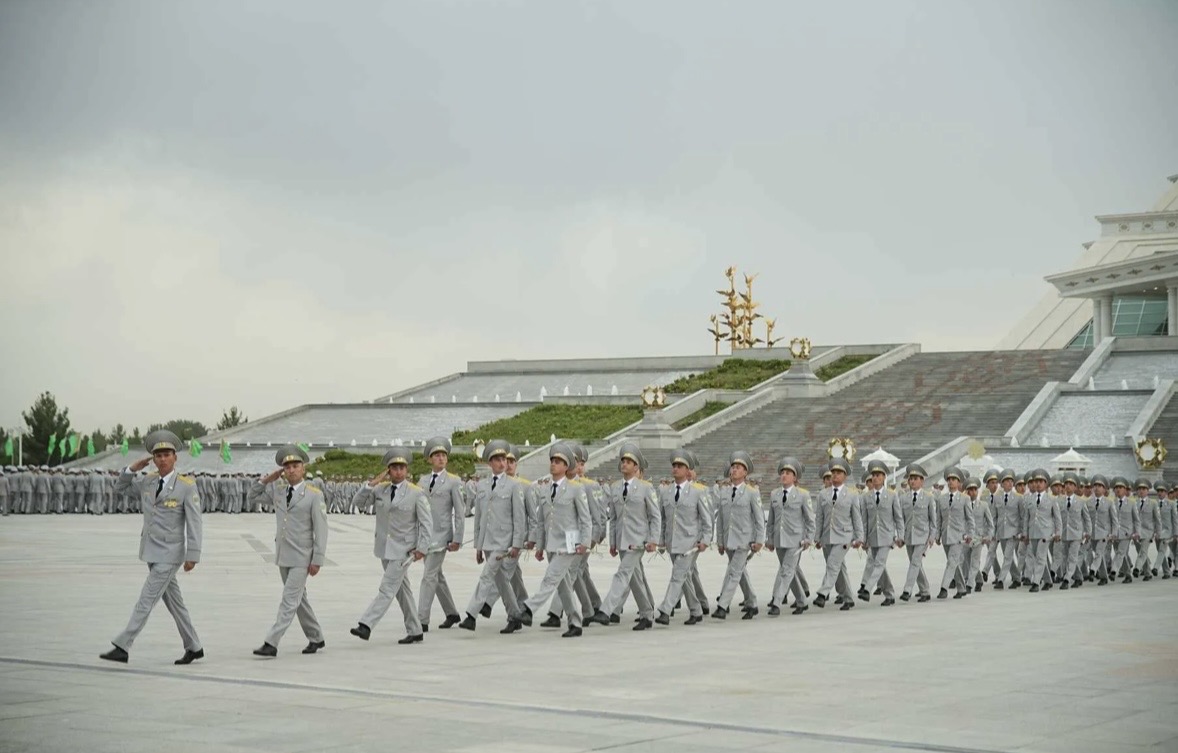
26 Jul. 17:41Higher and secondary vocational education institutions across Turkmenistan have officially completed the application and document submission process for prospective students. Executed in full accordance with a presidential decree issued during a Cabinet of Ministers meeting, the enrollment drive was conducted smoothly within the designated timeframe.
The upcoming academic year marks an expansion in academic offerings, with 20 new specialized fields of study being introduced across the university network. Overall admission capacity has been scaled to accommodate a growing student body, with the total number of accepted university applicants expected to surpass 18,000.
To ensure a streamlined evaluation process, select institutions—specifically the agricultural university and the international university representing the private sector—will implement standardized testing for academic assessments. This methodology aims to provide an objective framework for evaluating applicants' knowledge across subject areas.
The examination phase, which determines final admissions into both higher and specialized vocational programs, will remain ongoing through late August. Upon completion of these academic evaluations, successful candidates will be formally matriculated for the upcoming academic year.
Also read


Number of New International Students in the US Drops by 15%
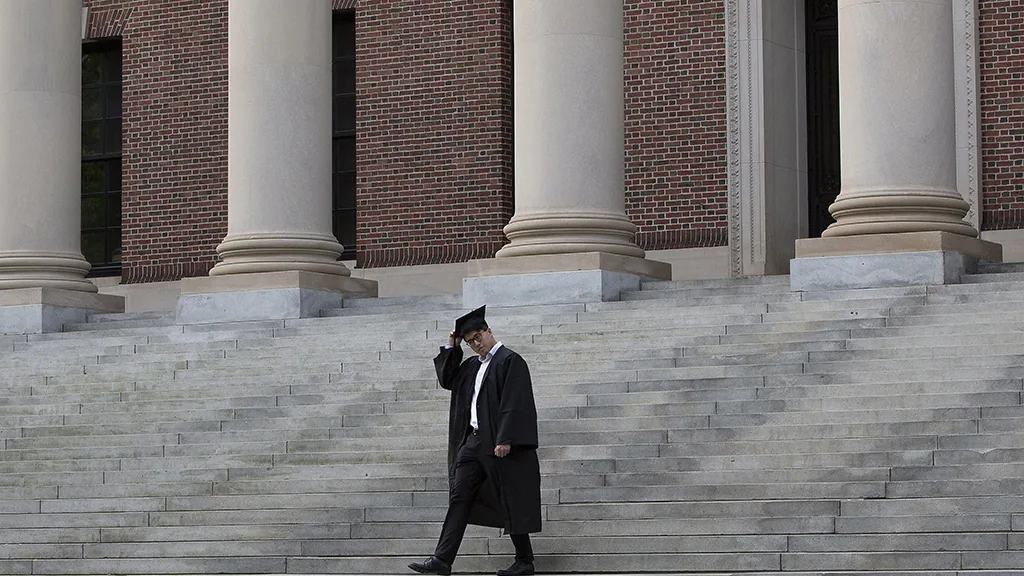
17 Nov. 17:00During the fall 2026 semester, the number of new international students enrolled in American educational institutions declined by 15% compared to the same period last year, according to CNBC. Over the entirety of the 2025–2026 academic year, the total population of international students in the United States dropped by more than 17%, with the steepest declines observed among students hailing from India and China.
Colleges surveyed by the publication attribute this downward trend to tighter US immigration policies and recent modifications governing student visa validity periods.
Data from NAFSA: Association of International Educators shows that international students contributed nearly $40 billion to the US economy during the 2025–2026 academic year. The drop in enrollment is projected to trigger financial losses of approximately $2.4 billion this academic year.
Fitch Ratings notes that shifts in visa regulations will primarily impact the financial stability of American colleges and universities. International enrollees typically pay full tuition or receive far less financial aid than domestic students. The consequences could prove especially severe for institutions heavily reliant on large master's programs and STEM (science, technology, engineering, and math) courses, which attract 57% of all international students.
Blitz