
Playlist
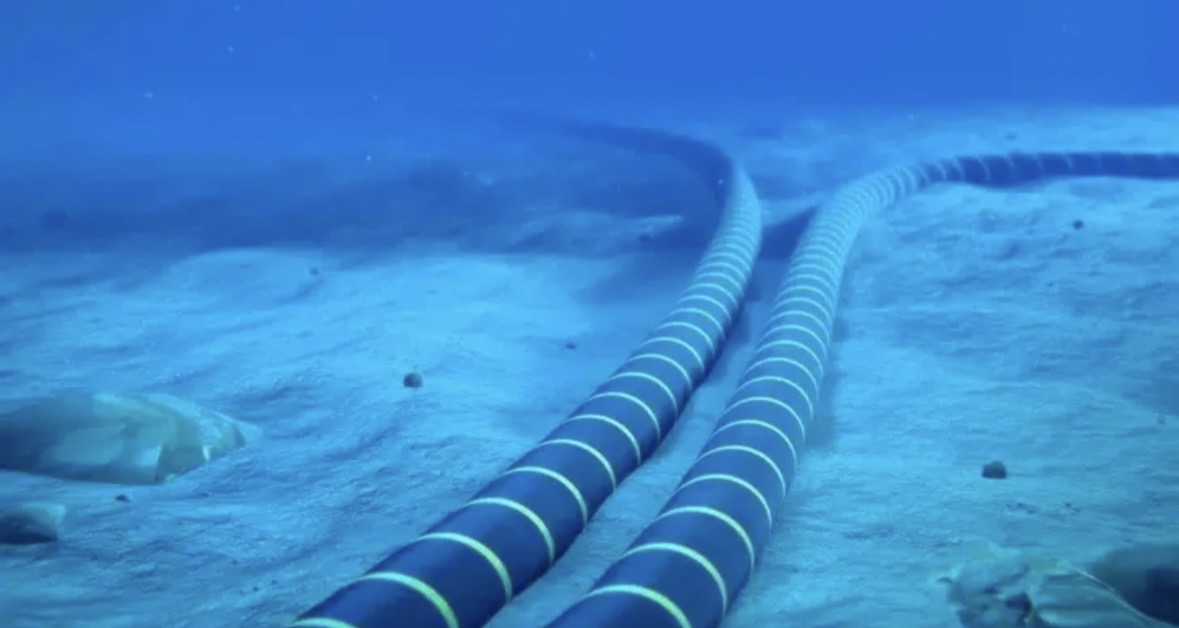
Turkmenistan Assesses Technical Viability of Trans-Caspian Subsea Electricity Cable Project
19 May. 13:20As part of its long-term strategy to diversify power export corridors, Turkmenistan is conducting comprehensive feasibility studies regarding its participation in a strategic maritime infrastructure initiative. The commercial evaluation focuses on the construction of a high-voltage subsea electricity cable across the Caspian Sea floor, a layout designed to transfer surplus electrical energy to broader trans-regional networks.
According to structural analysts from the state power corporation, the export paradigm is technically anchored to the ongoing construction of a multi-megawatt thermal power plant in the coastal city of Turkmenbashi. Once operational, this strategic generation hub will function as the primary supply source, providing the high-volume capacity required to sustain continuous cross-border energy transmissions.
Currently, the subsea technological frameworks are undergoing systematic reviews within the parameters of bilateral intergovernmental working groups, particularly in coordination with Azerbaijani authorities. Although final investment decisions and engineering blueprints remain under deliberation, industrial experts agree that the completed trans-boundary link would offer substantial economic returns for all regional stakeholders and position neighboring states as vital transit hubs.
Also read


On-the-Go Power: Japanese Engineers Develop Wireless In-Road Charging for Electric Vehicles
10 Oct. 08:10In a major leap for electric mobility, Honda R&D, alongside Taisei Corporation and Taisei Rotec, has unveiled an innovative dynamic wireless charging system that charges electric vehicles as they drive. By embedding compact energy-transmitting modules directly into the road surface, the system transfers power via a magnetic field to receivers mounted underneath moving vehicles. Designed to withstand heavy commercial transport up to 20 tons, real-world road testing is scheduled to begin in Japan in April 2027.
The technology eliminates the need for full road reconstruction, as modules can be integrated directly into milled asphalt layers. Aimed at boosting charging power up to 150 kW in future iterations, this infrastructure solution promise to significantly reduce grid pressure on traditional charging stations, particularly for logistics and commercial fleets.
Blitz