
Playlist
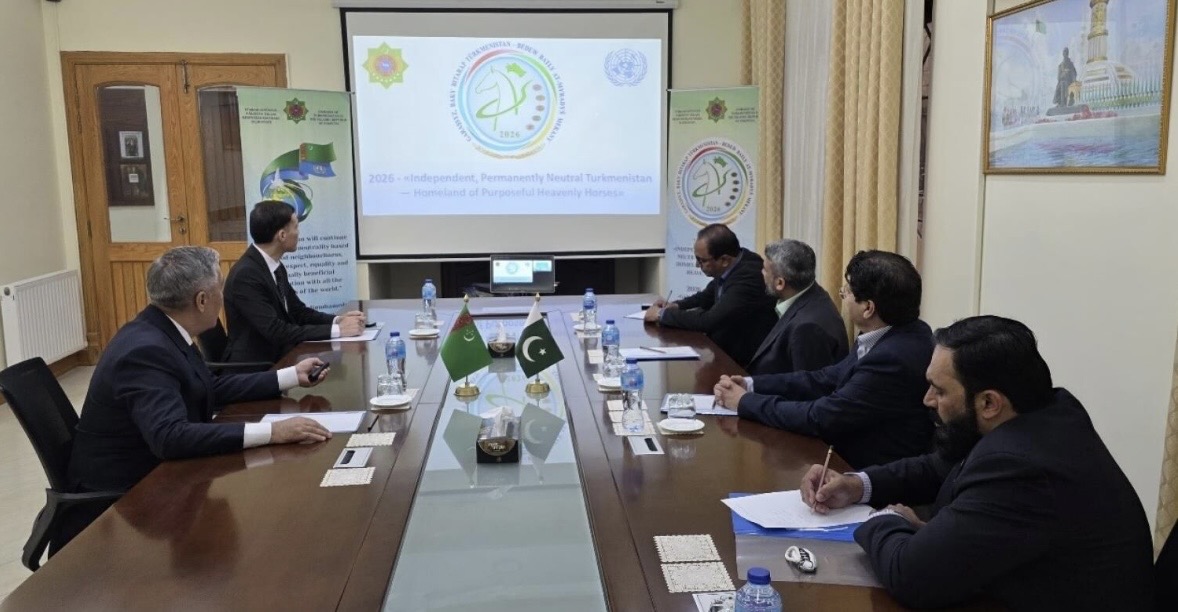
Turkmenistan and Pakistan Explore New Horizons for Business Cooperation in Islamabad
10 Apr. 12:16On April 7, 2026, the Embassy of Turkmenistan in Islamabad hosted a strategic meeting with a high-level delegation from the Lahore Chamber of Commerce and Industry (LCCI), led by Shahid Khalil. The discussions centered on enhancing the synergy between the private sectors of both nations and establishing a more robust framework for institutional collaboration. The Pakistani delegation emphasized their commitment to diversifying trade relations and exploring untapped market opportunities in Turkmenistan.
During the session, the Turkmen diplomatic mission provided an in-depth briefing on the structural economic reforms currently reshaping the country’s business environment. These initiatives, aimed at fostering an open-market economy and encouraging foreign direct investment, are part of Turkmenistan’s broader strategy to enhance its role in the global economic landscape. The hosts highlighted the favorable legal and fiscal conditions created specifically to support international business ventures.
A significant portion of the meeting was dedicated to showcasing Turkmenistan’s vast export capabilities, particularly in energy resources, refined petroleum products, and high-quality textile goods. The Pakistani representatives were also briefed on the upcoming international business forums scheduled for this year, which are expected to gather global industry leaders in Ashgabat. These events are viewed as critical milestones for initiating large-scale joint ventures and securing supply chain agreements.
The encounter concluded with a mutual agreement to participate actively in future trade fairs and exhibitions organized by both countries. Both parties expressed a strong desire to identify and optimize efficient trade routes to facilitate smoother logistical operations between Central and South Asia. This diplomatic engagement reinforces the growing economic ties between Turkmenistan and Pakistan, paving the way for a more integrated and prosperous regional partnership.
Also read


Solar Mini-Grids to Power Remote Communities Across Turkmenistan Under New Four-Million-Dollar UNDP Initiative
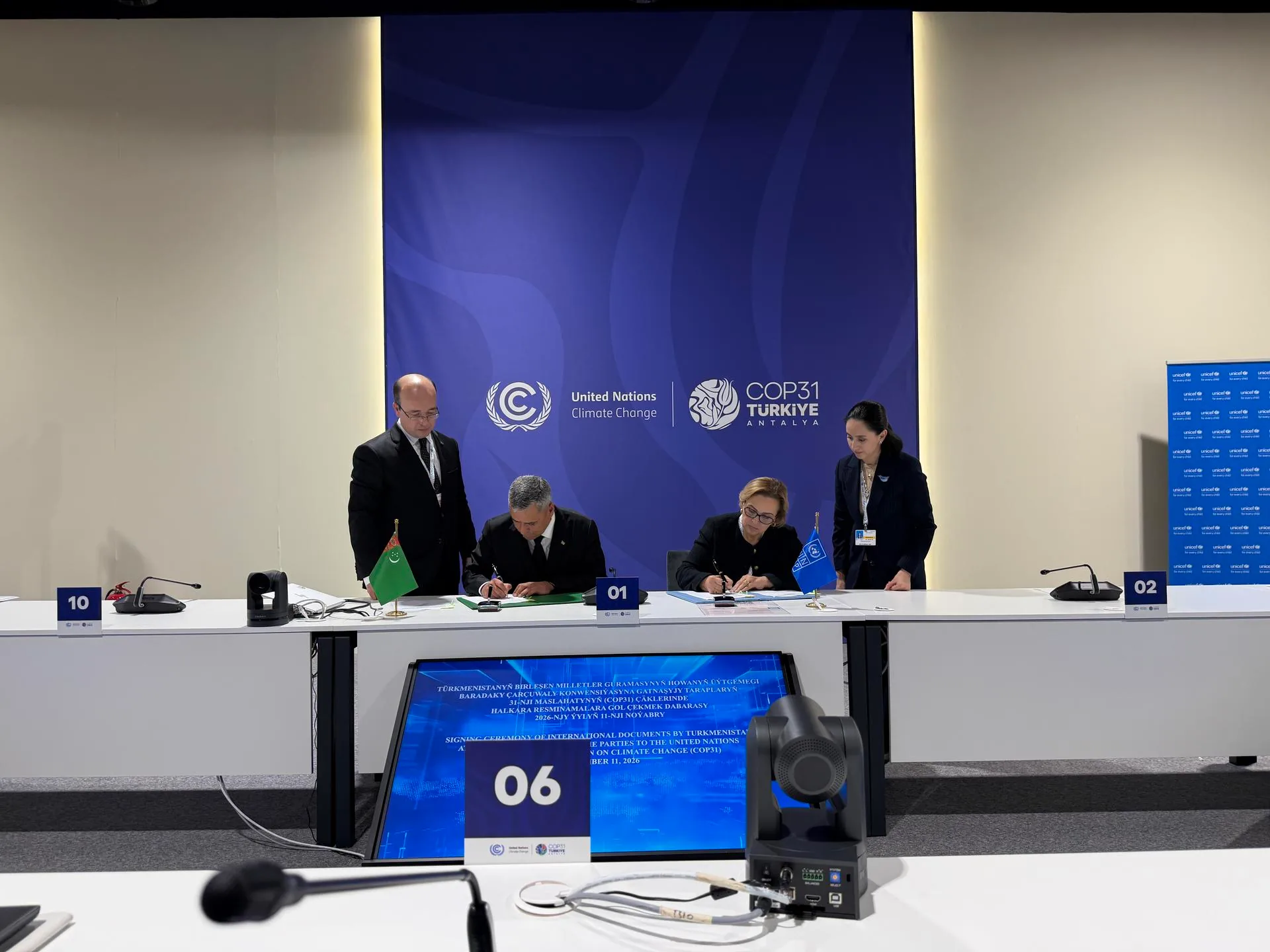
13 Nov. 14:30Following the landmark climate agreements signed on the sidelines of the COP31 conference in Antalya, the United Nations Development Programme (UNDP) has unveiled comprehensive details regarding its upcoming clean energy partnership with the Government of Turkmenistan. Backed by a Global Environment Facility (GEF) grant exceeding 4.17 million US dollars, the five-year project titled "Supporting Energy Transition for Remote Settlements of Turkmenistan" will be executed by the United Nations Office for Project Services (UNOPS) in close coordination with Turkmenistan's Ministry of Environmental Protection and Ministry of Energy.
A central pillar of the initiative involves installing and commissioning up to ten pilot solar mini-power plants with a combined capacity of up to 2 MW in isolated communities that currently rely heavily on diesel generators for electricity. These demonstration facilities will showcase the viability of solar power across Turkmenistan's remote regions and establish a blueprint for broader clean energy adoption. Building upon the operational experience gained from these initial sites, experts will conduct feasibility assessments and prepare tailored technical solutions for potentially deploying solar energy systems in an additional 120 remote settlements.
Beyond physical infrastructure, the project focuses on strengthening the regulatory and institutional framework for renewable energy, training local specialists, and expanding domestic technical expertise. UNDP Resident Representative in Turkmenistan Narine Sahakyan noted that expanding access to reliable, clean electricity significantly enhances community resilience and human well-being—particularly for women and vulnerable groups—by translating national ambitions into tangible investments. The program directly supports Turkmenistan's National Strategy for the Development of Renewable Energy through 2030, advancing the country's commitments under the Paris Agreement and the United Nations Sustainable Development Goals.
Blitz