
Playlist
Turkmenistan and Kazakhstan establish new mechanisms for academic and scientific cooperation
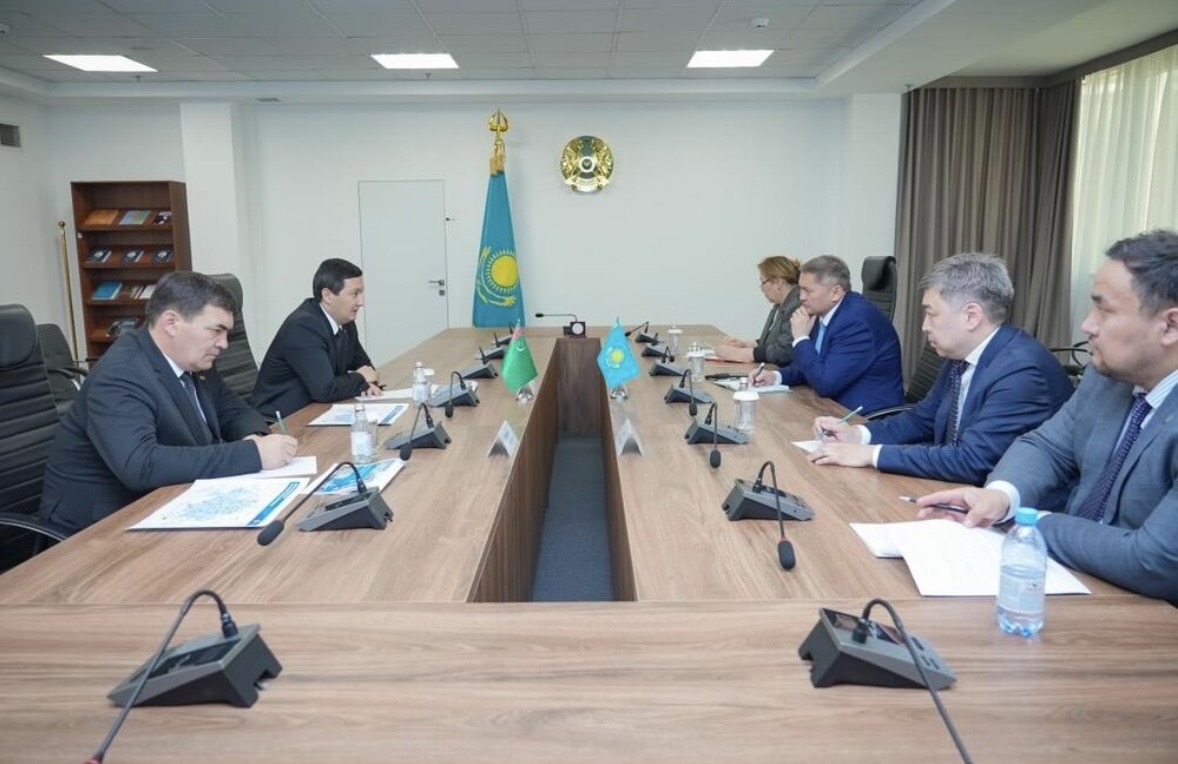
26 Apr. 05:38Strategic talks between the educational leadership of Turkmenistan and Kazakhstan were held in Astana to advance collaboration in the field of higher education and scientific research. The meeting focused on the practical execution of bilateral agreements and the development of new frameworks for institutional interaction. Both parties emphasized the importance of aligning educational standards with modern global trends.
During the discussions, the Turkmen delegation presented an overview of the national strategy for higher education development through 2052. The focus remained on adapting academic programs to meet the evolving demands of the labor market and utilizing advanced methodologies for forecasting professional requirements. The representatives exchanged insights on analytical systems designed to integrate demographic and economic data into educational planning.
A significant portion of the meeting was dedicated to the exchange of expertise regarding quality assessment in education and international testing standards. The parties examined the successful collaboration between national testing centers and global educational services. Furthermore, the digitalization of higher education and the integration of artificial intelligence into the learning process were identified as critical areas for future joint initiatives.
The consultation concluded with an agreement to develop a sustainable mechanism for continuous cooperation between the two nations' scientific and educational bodies. This partnership is expected to facilitate greater academic mobility for students and faculty while establishing a unified approach to professional training. The initiative marks a new chapter in the regional integration of intellectual and human resources.



Solar Mini-Grids to Power Remote Communities Across Turkmenistan Under New Four-Million-Dollar UNDP Initiative
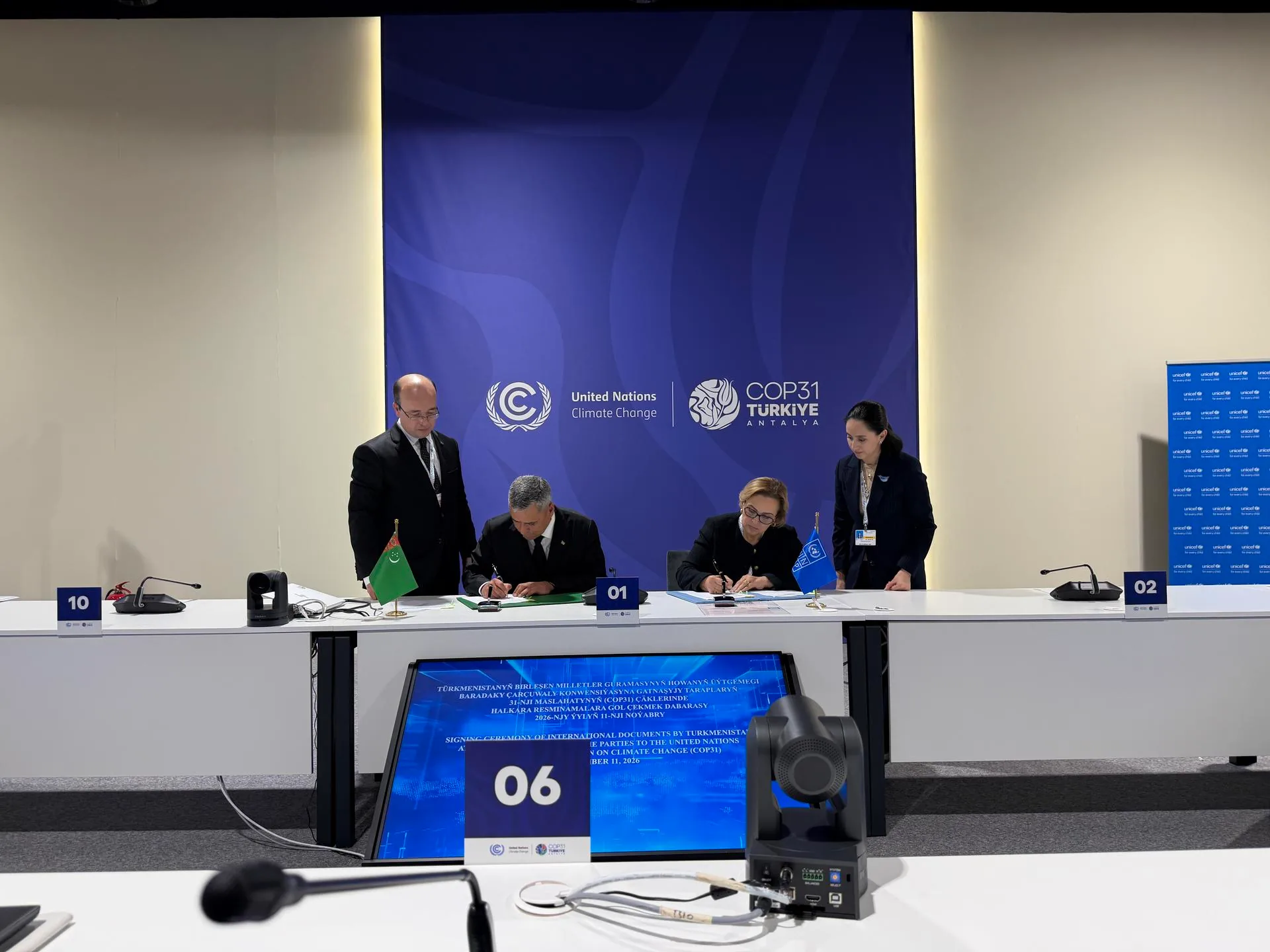
13 Nov. 14:30Following the landmark climate agreements signed on the sidelines of the COP31 conference in Antalya, the United Nations Development Programme (UNDP) has unveiled comprehensive details regarding its upcoming clean energy partnership with the Government of Turkmenistan. Backed by a Global Environment Facility (GEF) grant exceeding 4.17 million US dollars, the five-year project titled "Supporting Energy Transition for Remote Settlements of Turkmenistan" will be executed by the United Nations Office for Project Services (UNOPS) in close coordination with Turkmenistan's Ministry of Environmental Protection and Ministry of Energy.
A central pillar of the initiative involves installing and commissioning up to ten pilot solar mini-power plants with a combined capacity of up to 2 MW in isolated communities that currently rely heavily on diesel generators for electricity. These demonstration facilities will showcase the viability of solar power across Turkmenistan's remote regions and establish a blueprint for broader clean energy adoption. Building upon the operational experience gained from these initial sites, experts will conduct feasibility assessments and prepare tailored technical solutions for potentially deploying solar energy systems in an additional 120 remote settlements.
Beyond physical infrastructure, the project focuses on strengthening the regulatory and institutional framework for renewable energy, training local specialists, and expanding domestic technical expertise. UNDP Resident Representative in Turkmenistan Narine Sahakyan noted that expanding access to reliable, clean electricity significantly enhances community resilience and human well-being—particularly for women and vulnerable groups—by translating national ambitions into tangible investments. The program directly supports Turkmenistan's National Strategy for the Development of Renewable Energy through 2030, advancing the country's commitments under the Paris Agreement and the United Nations Sustainable Development Goals.
Blitz