
Playlist

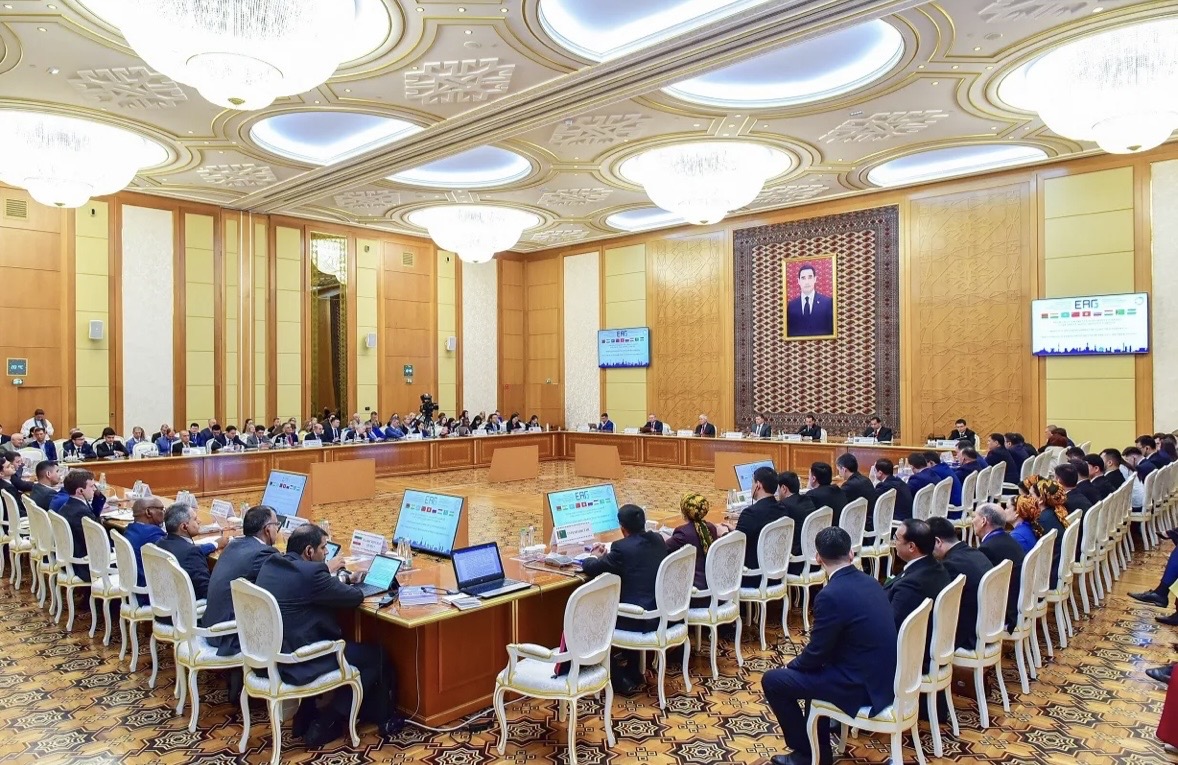
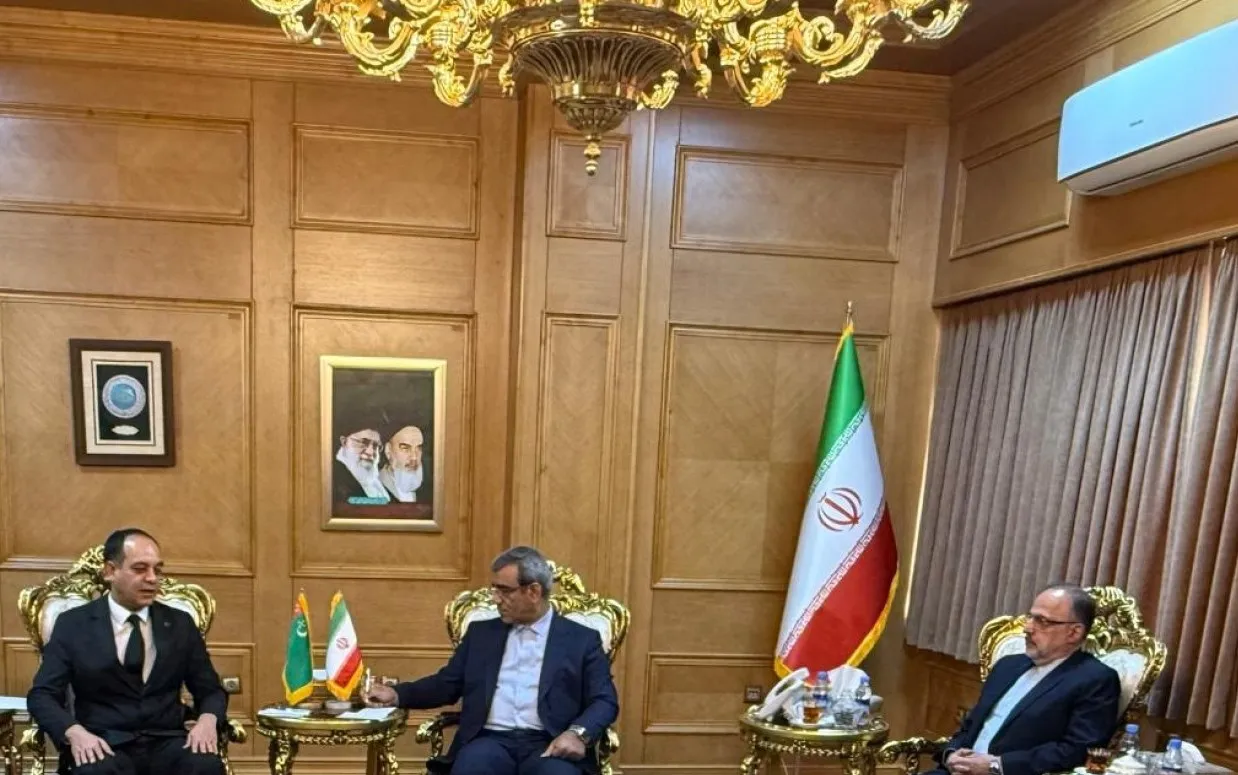
The second working meeting on establishing a joint trade zone between Turkmenistan and Iran, held under the framework of the Economic Cooperation Organization (ECO), took place in Iran’s Golestan Province, according to Turkmenistan’s Ministry of Foreign Affairs.
The event gathered representatives of the ECO, as well as senior officials from the trade, border, and customs agencies of both countries. The main focus of the discussions was the creation of a cross-border trade market at the “Altyn Asyr” – “Bajgiran” checkpoint.
The Turkmen delegation emphasized the importance of making full use of border and regional trade potential to boost trade turnover among ECO member states — a priority highlighted earlier by President Serdar Berdimuhamedov during the summit of the organization’s heads of state.
The two sides discussed simplifying visa and customs procedures within the new trade zone, establishing insurance systems for commercial activities, and attracting foreign investment to the project.
ECO representatives noted that the implementation of the project would serve as a model for other member states. They confirmed readiness to draft a joint agreement and an action plan for the establishment of the trade zone at the “Altyn Asyr” – “Incheburun” border crossing, located between Turkmenistan’s Balkan Province and Iran’s Golestan Province.
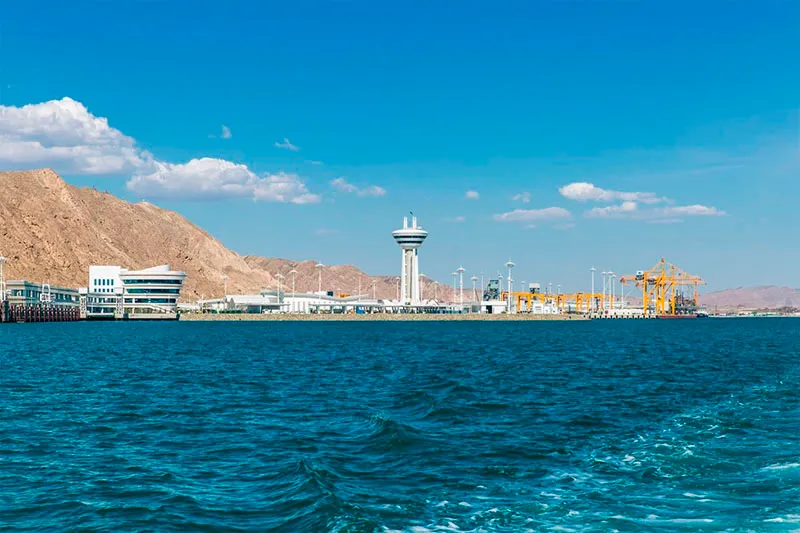
Later in the day, the Turkmen delegation visited the proposed construction site. The Iranian side expressed its intention to fully restore operations at the customs checkpoint to pre-pandemic levels alongside the development of the trade zone.
The participants agreed to hold the next meeting of the working group in Turkmenistan.
Also read
Turkmen Journalists and Experts Participated in the OSCE Central Asia Media Conference in Bishkek
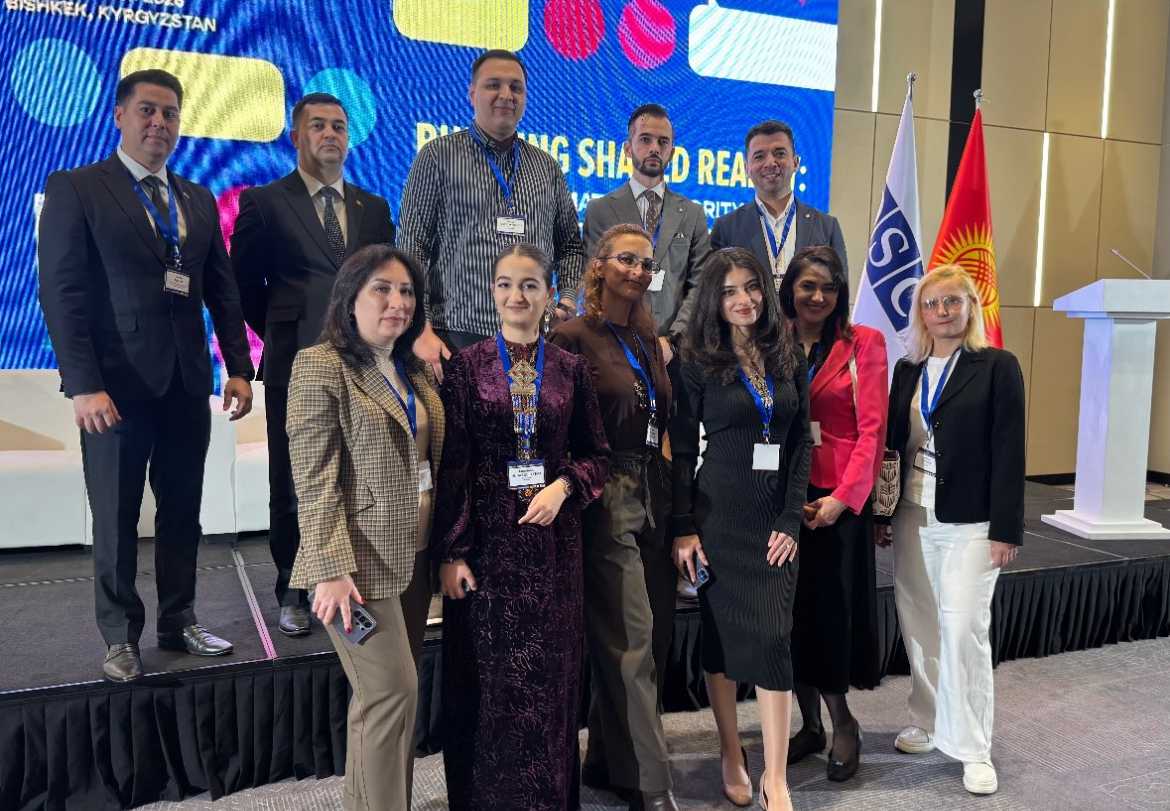
10 Oct. 13:57On October 9–10, 2026, the capital of Kyrgyzstan hosted a major OSCE Central Asia Media Conference, bringing together leading experts, government officials, civil society representatives, and media professionals from across the region. Entitled "Building Shared Reality: Information Integrity, Media Ethics and Trust in the Digital Age," this high-level forum addressed the most pressing contemporary challenges, including the transformation of information ecosystems, the impact of Big Tech, the deployment of artificial intelligence systems, and the digital safety of media workers.
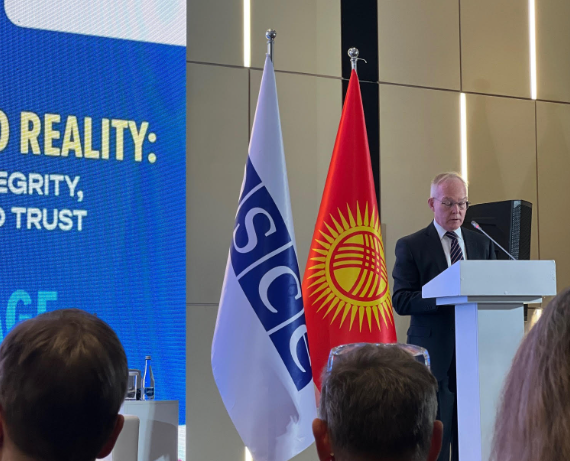
The significance of this conference is profound, serving as an essential platform for building cross-border dialogue, reinforcing professional journalistic standards, and collectively shaping regional solutions amidst rapid digitalization.
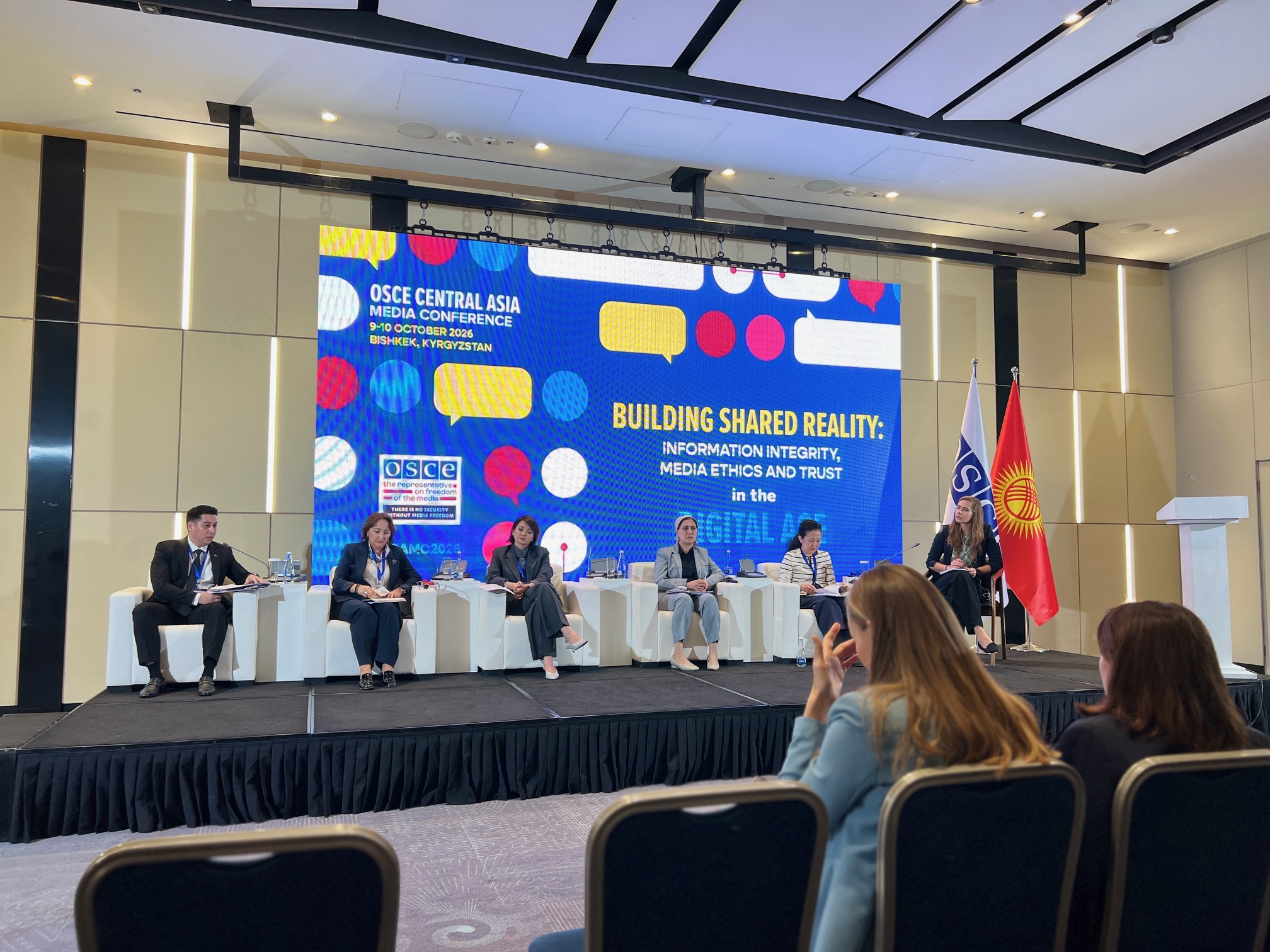
Throughout the rich program of the forum, participants discussed a wide array of topics ranging from independent self-regulation standards and source protection to practical tools for AI integration in newsrooms and gender-sensitive approaches to journalists' safety. Representatives from Turkmenistan took an active part in the conference sessions, highlighting national priorities within the broader regional framework. Specifically, during discussions on implementing OSCE policy guidelines, Turkmen delegation member emphasized the importance of a phased approach to developing the media environment—one grounded in studying international experience, expert dialogue, and adaptation to national and linguistic realities.
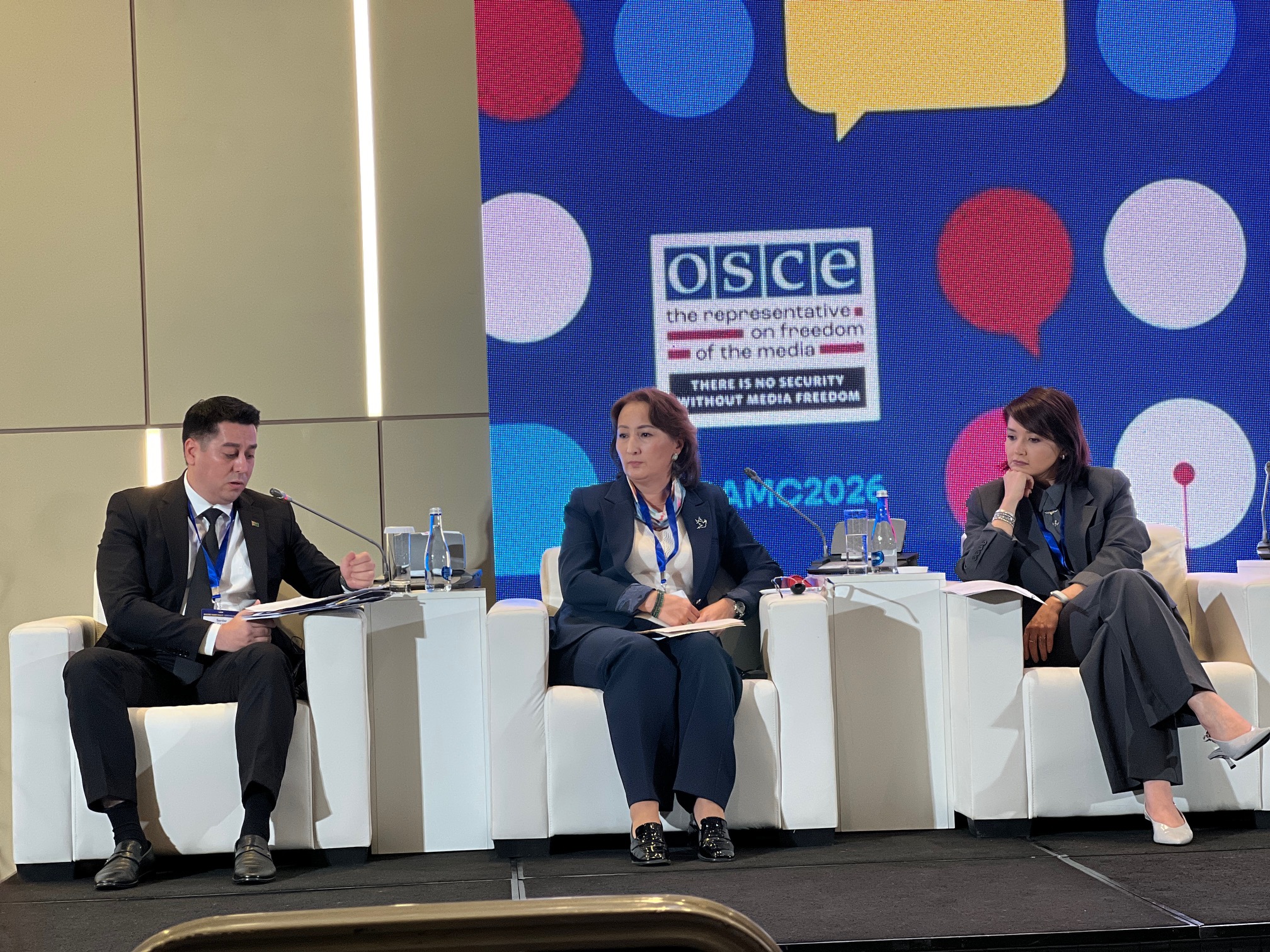
Key topics included digital platform transparency, the development of Turkmen-language AI models, media economic sustainability, and copyright protection in the era of AI. Additionally, Azat Seyitmuhammedov, founder of Arzuw News, shared practical insights into deploying generative artificial intelligence to optimize workflows in smaller local newsrooms.
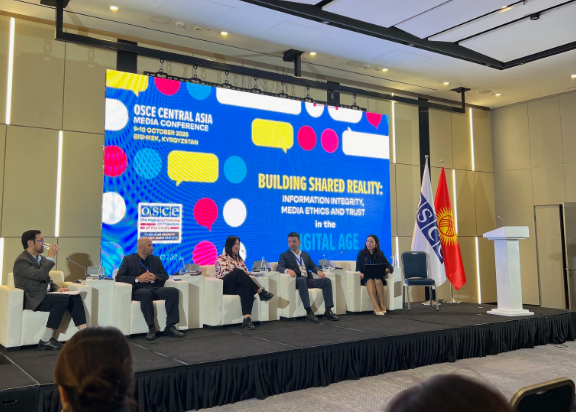
The conference underscored that continuous multilateral dialogue among Central Asian nations and international partners, including the OSCE Centre in Ashgabat, is vital for successfully navigating the technological challenges of the future.
Also read

Blitz