
Playlist
Traces of Ancient Cranial Surgery Discovered on Child's Skull Found in Uzbekistan
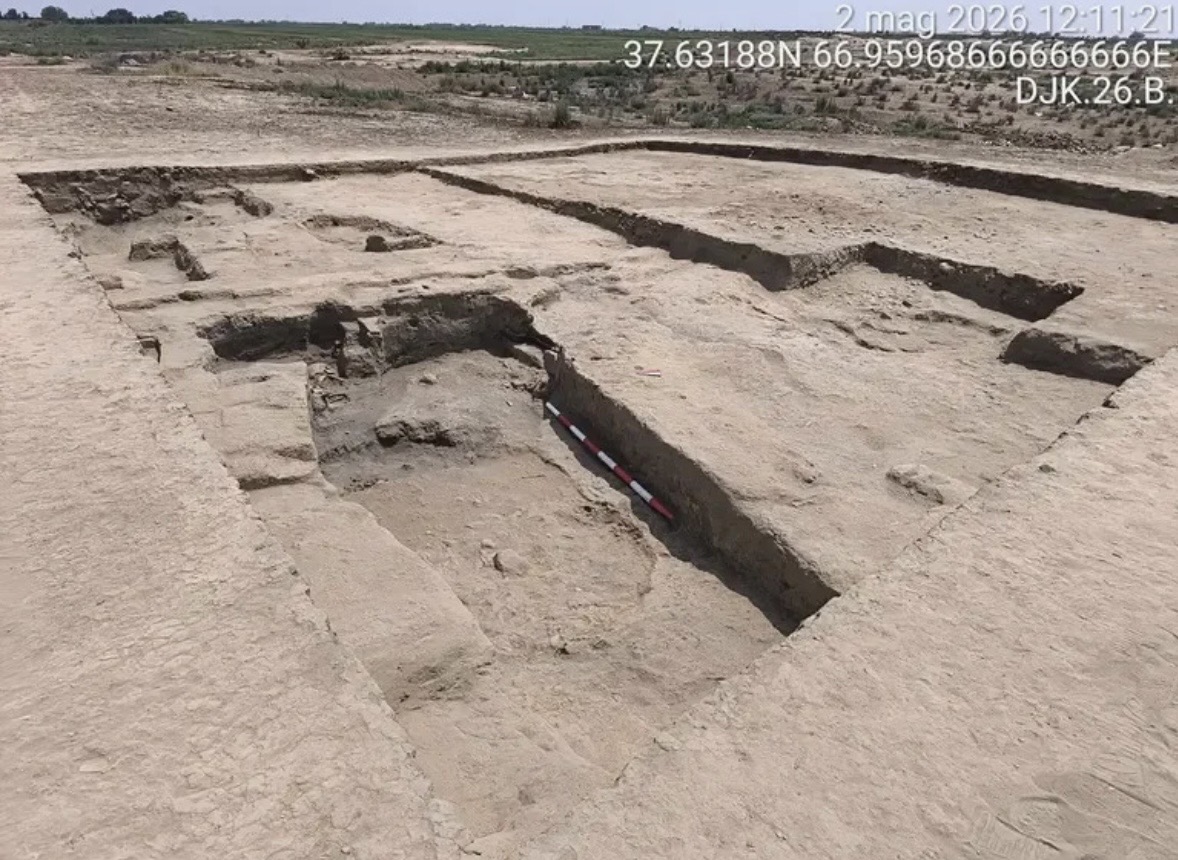
04 Jun. 14:13A collaborative team of Uzbek and Italian archaeologists has uncovered a unique historical artifact consisting of the skeletal remains of a five-year-old child bearing distinct signs of cranial trepanation. Anthropologists categorize this operational procedure as the oldest documented surgical intervention within Central Asia and among the earliest medical modifications recorded across the entire Asian continent. The discovery reshapes academic understandings regarding the timeline of prehistoric medical developments.
The anthropological asset was retrieved from a shared burial feature housing two juvenile individuals, estimated to be three and five years of age at the time of death, with the structural skull perforations restricted solely to the older child. Forensics suggest that the precise ablation was executed utilizing acute stone or bone tools available during the era. Scientists note that because ancient therapeutic treatments were heavily integrated with theological rituals, the exact intent behind the opening remains under close analytical review.
The archaeological site is directly tied to the Oxus Civilization, a distinct Bronze Age complex that flourished from the late 3rd to the early 2nd millennium BCE. This advanced regional culture maintained a widespread network of influence throughout Central Asia, extending its commercial and artistic footprint to the trading ports along the Persian Gulf.
The dual burial layout was mapped inside the ancient urban boundaries of Jarkutan, recognized as a premier socio-economic hub of the early dynamic settlements in the region. Previous excavation cycles at the Jarkutan complex have exposed substantial architectural layouts, including defensive structures and highly detailed ceramic utility samples, highlighting the cultural density of the ancient settlement.
Also read



Italy’s Calabria Region Offers 50 Free Renovated Homes to New Residents
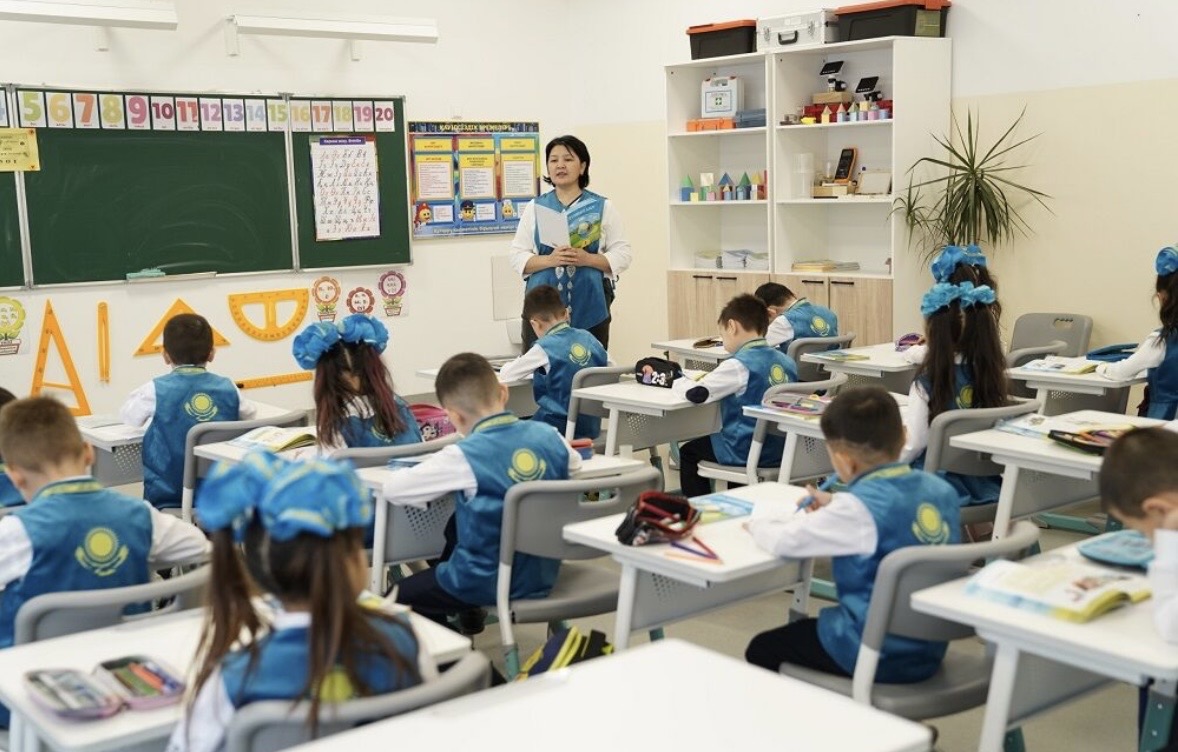
18 Nov. 16:44Regional authorities in southern Italy’s Calabria have launched a new initiative titled "La Calabria ti regala la casa" (Calabria Gifts You a Home) to attract newcomers and curb population decline. Under the scheme, 50 properties located across 26 small towns and villages with fewer than 5,000 inhabitants will be handed over rent-free for up to ten years. Unlike Italy's well-known "one-euro home" programs that require buyers to fund costly restorations themselves, the Calabrian government has allocated €20 million to cover all renovation expenses.
Recipients do not gain legal ownership of the properties, which are instead provided under a ten-year free-use agreement, with post-decade terms still yet to be finalized. Eligibility is open to adults over 18 who have lived outside Calabria for at least three years and are willing to relocate there permanently. Subletting the residences or listing them as tourist rentals is strictly prohibited.
The available housing stock includes apartments in historic medieval centers, garden homes, and properties overlooking the mountains. Priority during the selection process will be given to Italian expatriates returning from abroad, young families, single parents, remote workers, artisans, cultural professionals, and individuals with disabilities.
This housing drive comes in response to a sharp demographic downturn, as Calabria’s population dropped by 6.4% over the past decade—the steepest decline in Italy, contrasting sharply with Lombardy's 1.1% growth. The region has previously introduced other bold incentives, including relocation grants of up to €28,000 in 2021 and a €1,000 monthly stipend launched in 2026 for local university students to keep young talent from moving north.
Blitz