
Playlist

The Lenten Journey Begins: A Period of Spiritual Reflection for Orthodox Christians
23 Feb. 07:43The Great Lent, the most significant and rigorous fasting season in the Orthodox Christian calendar, commences this Monday. In 2026, this 48-day observance spans from February 23 to April 11, leading up to the celebration of Easter on April 12. Rooted in ancient apostolic traditions, this period commemorates the forty-day fast of Jesus Christ and serves as a time of profound self-discipline, prayer, and preparation for the miracle of the Resurrection.
During this season, practitioners are encouraged to abstain from meat, dairy, eggs, and fish, focusing instead on a simpler, plant-based diet. Exceptions for fish are permitted only on specific high holy days in April, such as Palm Sunday and the Annunciation. However, theologians stress that the physical aspect of fasting is secondary to the spiritual goal; the true essence of Lent lies in repentance, humility, and the strengthening of one's faith through moral growth.
Leading religious figures advise that the intensity of the fast should be tailored to each individual's health and life situation, rather than strictly following monastic rules without guidance. The focus is on a conscious transformation of the heart and mind. As the community embarks on this nearly seven-week journey, the emphasis remains on fostering peace, showing compassion to others, and entering the Easter season with a renewed sense of spiritual clarity.
Also read



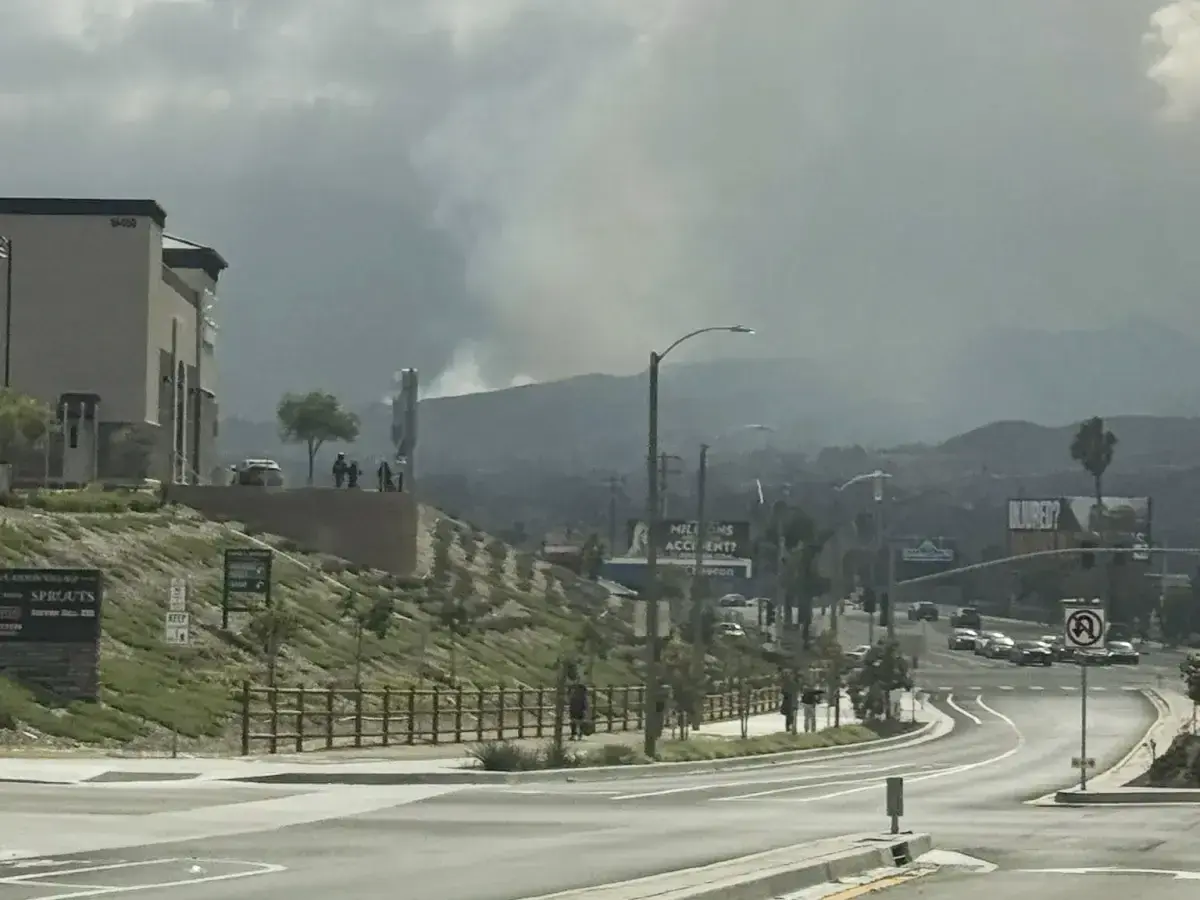
Wildfire Threat in California: Emergency Evacuations Ordered Near Los Angeles
Today in 09:33A fast-moving wildfire named "Bike" broke out near the city of Santa Clarita, just outside Los Angeles, California. Covering over 70 hectares in a short span, the blaze prompted emergency evacuation orders across eight local sectors. A temporary shelter has been established for displaced residents at the College of the Canyons in Santa Clarita while authorities investigate the cause of the fire.
Also read




Blitz