
Playlist
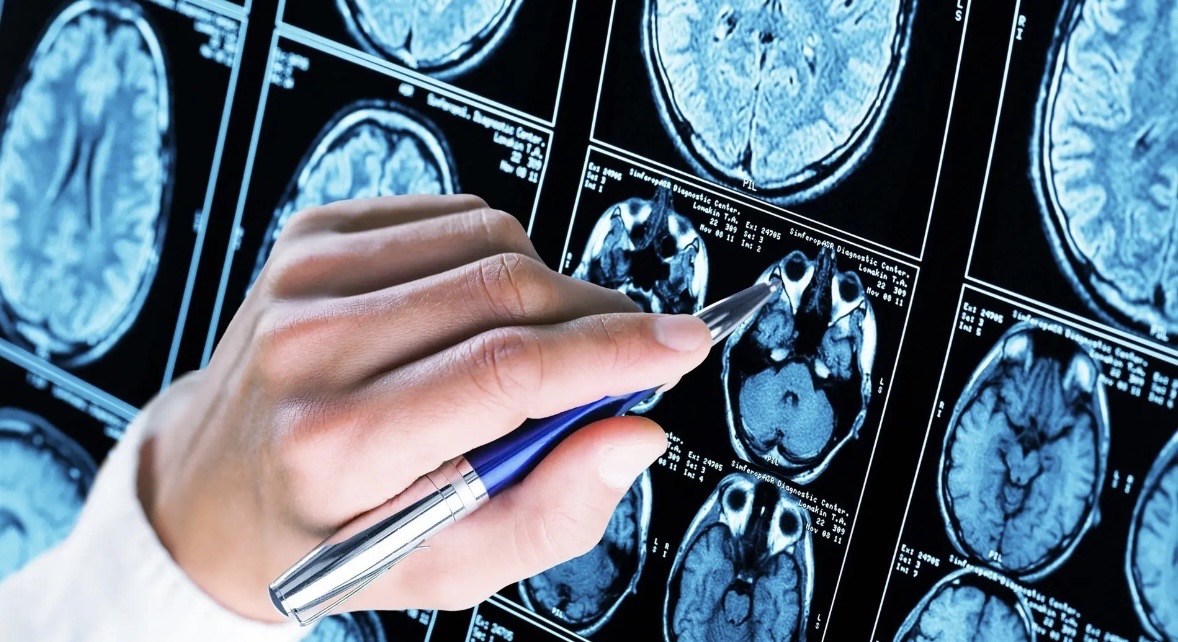
The biology of hypocrisy: brain activity explains the gap between words and actions
11 Apr. 12:01New neurobiological research suggests that hypocrisy is more than a personality flaw; it is fundamentally rooted in the brain's biological processes. According to a study published in the journal Cell Reports, the discrepancy between an individual's moral standards and their actual behavior is linked to the activity level of the ventromedial prefrontal cortex (vmPFC). This discovery provides scientific insight into why people often demand integrity from others while compromising their own ethics for personal gain.
A research team led by Xiaochu Zhang discovered that hypocrisy often occurs when the brain fails to effectively apply moral principles in the face of self-interest. The study indicates that the human brain tends to evaluate personal decisions based on utility and reward, whereas it judges the actions of others through a strictly moral lens. This neurological bias creates a scenario where an individual chooses material benefits for themselves but insists on honesty when viewing the conduct of others.
To investigate this phenomenon, a team led by Weili Lu conducted experiments involving 58 volunteers. Participants engaged in a card game where lying could result in financial rewards, while their brain activity was monitored using functional magnetic Resonance Imaging (fMRI). In the second phase, these same individuals were asked to observe and morally evaluate the decisions of others. The results clearly showed a neural correlation between the activation of the vmPFC and the manifestation of double standards.
The researchers further demonstrated that by using non-invasive electrical stimulation to influence this specific brain region, they could actually increase hypocritical behavior in participants. Lead author Hunwen explained that moral consistency—such as following through on one’s word—is not an innate trait but a cognitive skill that can be developed over time. Understanding these underlying brain mechanisms could eventually lead to improved educational programs and the development of more ethically aligned artificial intelligence systems.
Also read
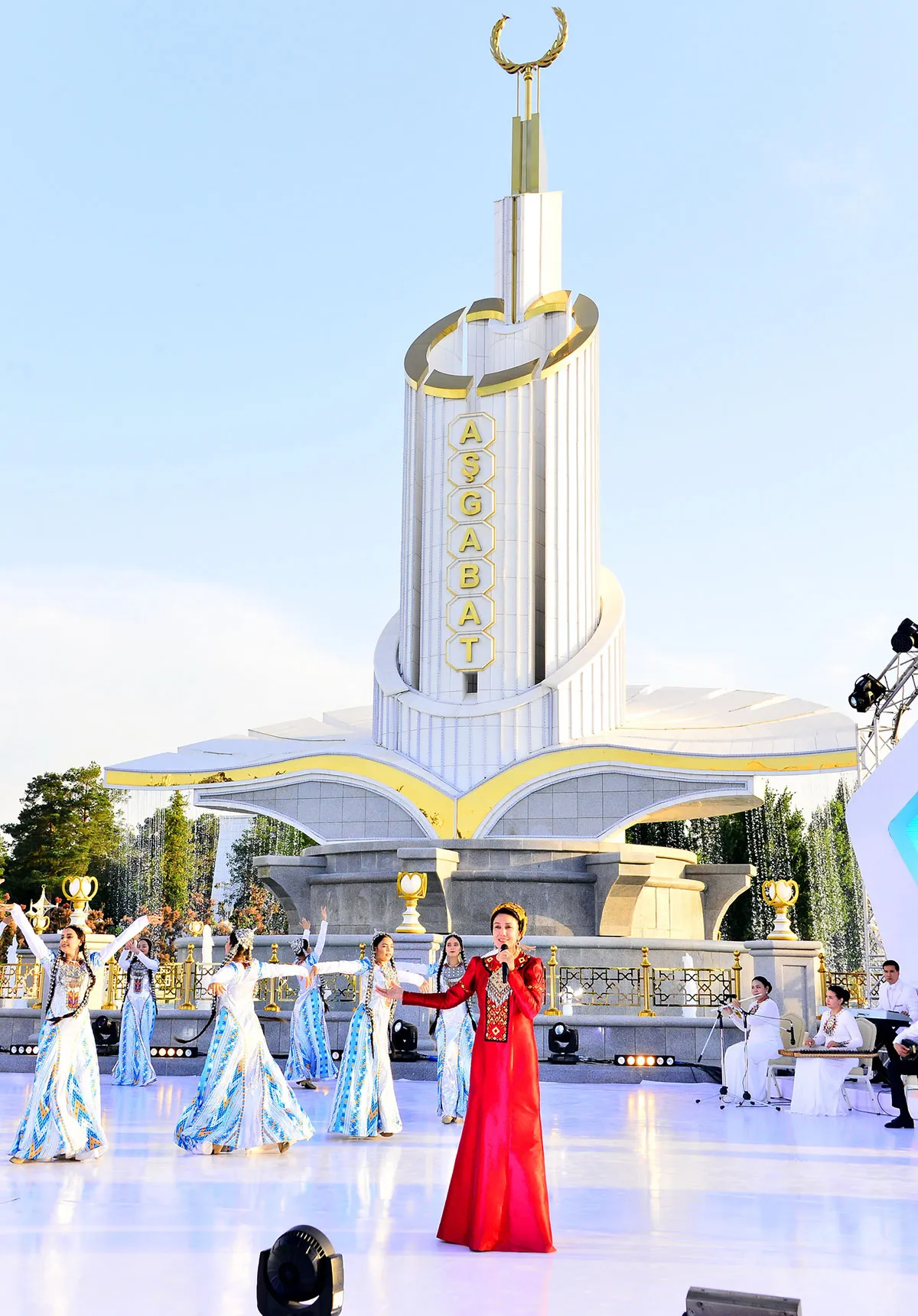

Grand Musical Gala in Ashgabat: International Pop Stars Perform at Capital Stadium
10 Oct. 06:14A festive concert featuring prominent international and domestic artists was hosted at the "Ashgabat" Multi-Purpose Stadium. The line-up included Russian Pop Star and Honored Artist of Turkmenistan Nyusha, Lebanese singer Maya Diab, Turkish pop icons Murat Boz and Hadise, along with Arsen Shakhunts. Nyusha surprised the audience by concluding her performance with the song "Bagt Nury," composed by National Leader of the Turkmen People Gurbanguly Berdimuhamedov.
Dedicated to the 35th Anniversary of Turkmenistan’s Independence, the event brought together thousands of music enthusiasts. Following their stage performances, the international guest artists expressed deep admiration for Ashgabat's urban aesthetic and the warm hospitality extended by the Turkmen public.
Blitz