
Playlist
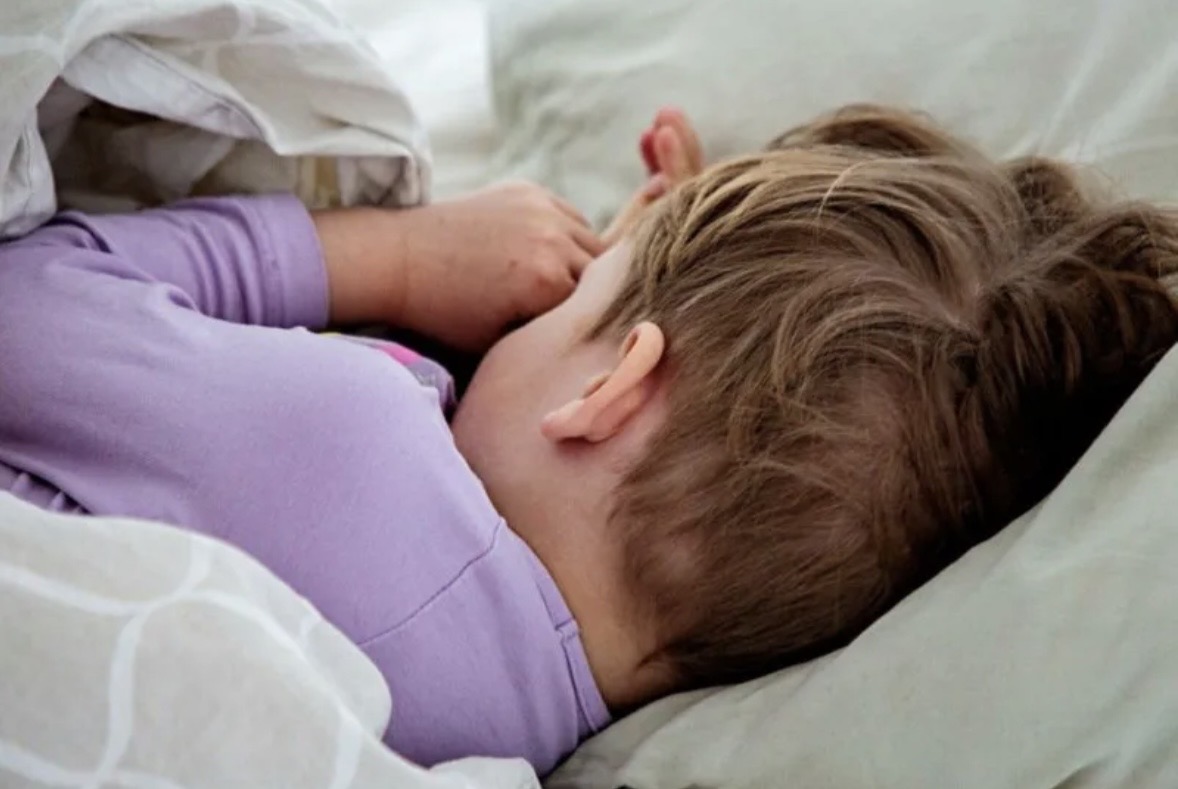
The Swedish authorities have formally expressed grave concern over the deteriorating sleep patterns of the nation's youth, labeling the situation a "sleep crisis." Reports from the Public Health Agency indicate that the quality and duration of rest among children and teenagers have seen a sharp decline over the past few decades. Statistical data reveals a dramatic shift; while late-night habits were rare in the 1980s, the majority of today's students consistently stay awake well past 11:00 PM.
Minister for Social Affairs Jakob Forssmed has emphasized the urgent need for nationwide guidelines to educate families on the biological necessity of rest. The newly introduced government directives recommend that school-aged children between 6 and 12 years old receive 9 to 11 hours of sleep per night. Officials warn that failing to maintain these standards could lead to long-term developmental issues and impact the overall well-being of the younger generation.
Experts identify the pervasive use of smartphones and digital screens before bedtime as a primary contributor to sleep disturbances. The artificial light emitted by these devices interferes with the body's natural circadian rhythms, making it significantly harder for adolescents to fall asleep. As part of the new public health strategy, parents are encouraged to implement "digital-free" hours in the evening to promote better sleep hygiene.
Beyond managing screen time, the government is advocating for increased physical activity during daylight hours as a natural remedy. Spending time outdoors and participating in regular exercise are highlighted as essential factors in improving sleep quality and duration. Sweden plans to launch a comprehensive awareness campaign to help citizens integrate these healthy routines into their daily lives and mitigate the effects of the current crisis.
Also read




A rye-wheat loaf preserved in a freezer for 36 years has been put on public display as part of the permanent exhibition at the Deutschlandmuseum in Berlin. Dubbed "The Last Loaf of the GDR," it was originally purchased on June 26, 1990, by student Michael Hagedorn, who bought an extra loaf fearing potential food shortages amidst the economic unification of East and West Germany.
The museum's director, Robert Rückel, described the unusual artifact as a unique poignant symbol of everyday human decisions during times of monumental geopolitical change. To maintain its preserved state, the museum installed a custom refrigeration unit where the historical loaf remains permanently frozen for visitors to view.
Blitz