
Playlist
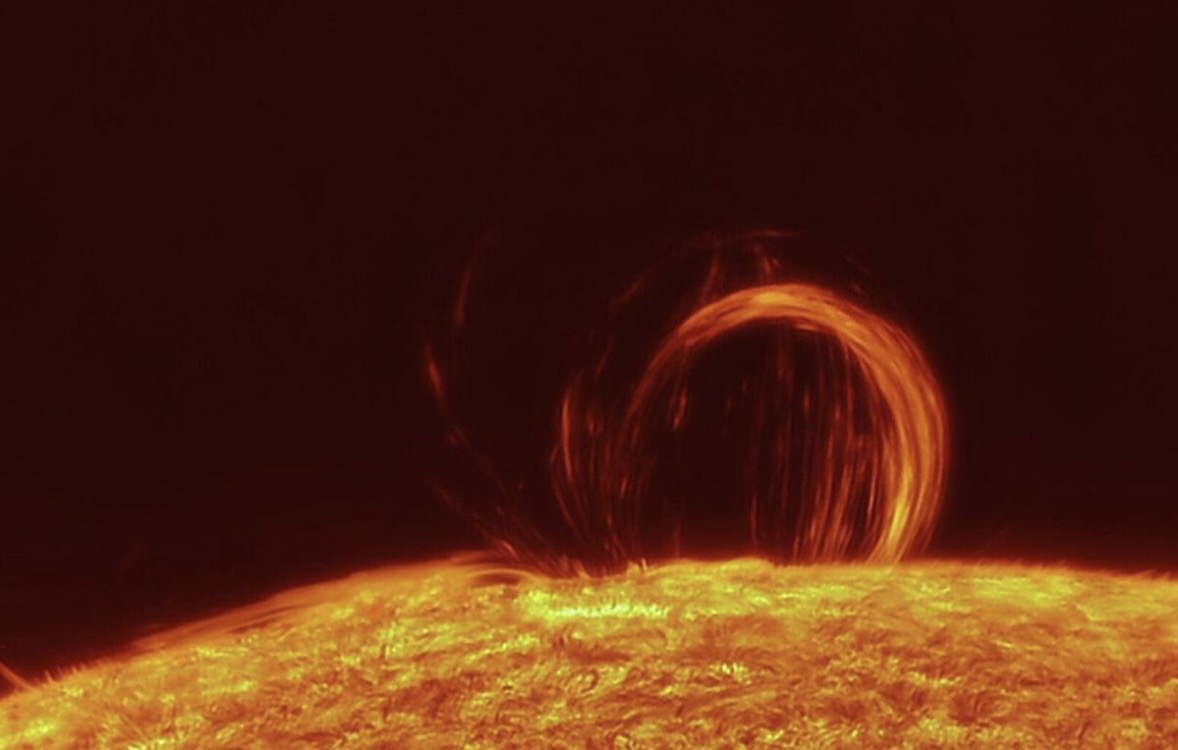
Experts from the Solar Astronomy Laboratory of the Space Research Institute of the Russian Academy of Sciences have issued a warning regarding a significant solar flare expected on May 13. Scientists have reached this conclusion after observing a period of relative calm following intense activity earlier this month. The sunspot group responsible for these events is currently in a phase of recharging its energy levels.
The prediction is based on the observed intervals between previous flares that occurred on May 7 and May 10. According to astrophysicists, the active regions on the Sun require approximately three days to accumulate sufficient magnetic energy to trigger another massive eruption. This cyclical behavior has allowed researchers to pinpoint the next potential peak of activity with a high degree of confidence.
Current observations show that the active region is migrating from the Sun’s limb toward the center of the solar disk. By May 13, this area will enter the so-called "Earth-effective zone," where any solar mass ejections would have a direct trajectory toward our planet. This alignment increases the probability of geomagnetic storms and potential disruptions to satellite communications and power grids.
The Sun has already displayed heightened activity this week, with several M-class flares recorded, including a powerful M5.7 eruption on May 10. As these active regions rotate to face Earth, specialists advise that the upcoming flare could be even more intense. Global monitoring stations remain on alert to track the solar wind and its potential impact on the Earth's magnetosphere.
Also read




Severe Outbreak in Almaty Sends Over 14,000 Residents to Doctors and Hospitalizes 3,000 Children
23 Nov. 08:54Health authorities and local outlets in Kazakhstan are reporting a sharp surge in an acute viral illness across Almaty that residents have dubbed a "knock-you-off-your-feet" infection. According to Gazeta.ru, citing the SHOT Telegram channel, more than 14,000 residents in the city have sought medical attention, with roughly 3,000 children requiring inpatient hospitalization.
Patients experiencing the illness suffer from persistent high fever lasting several days, in some cases reaching 40 degrees Celsius and proving stubbornly resistant to standard fever reducers. Reported symptoms include severe body aches, sore throat, intense coughing, and headaches, while some patients also experience vomiting and diarrhea. Parents of affected children note that medication provides only temporary relief for a few hours before high fever rapidly returns.
Blitz