
Playlist

Meta optimizes corporate workforce to reallocate infrastructure capital into artificial intelligence
23 May. 14:47Meta Platforms is implementing a comprehensive organizational restructuring that involves reducing its global workforce by approximately 10 percent. This corporate realignments strategy is engineered to optimize liquid financial resources and channel technical engineering capacities directly toward accelerating next-generation artificial intelligence deployment. The operational shift underscores the intensifying technological race among multinational software and social media conglomerates.
According to institutional communications transmitted within the enterprise, the labor downscaling is directly correlated with shifting budgetary allocations toward high-performance computing frameworks. Concurrently, the tech giant is executing an internal migration protocol, reassigning roughly 7,000 active employees to newly engineered artificial intelligence divisions. Core operational segments, including foundational model engineering, computing cluster infrastructure, and digital monetization units, are strictly excluded from the reduction parameters.
The executive board stated that establishing dominance within automated system engineering is vital to dictating the architectural standards of future technological ecosystems. The administration confirmed that no further large-scale human resource liquidations are projected for the remainder of the current operational year. Financial analysts interpret this maneuver as a necessary stabilization method to maintain profit margins while financing capital-intensive cloud infrastructure.
This systemic pivot reflects a broader operational trend shifting across the global technology sector, as evidenced by similar massive workforce optimizations executed by alternative cloud computing providers like Oracle. Major technological entities are increasingly forced to downsize traditional maintenance operations to sustain the heavy capital expenditures required for data center expansions and advanced neural network processing chips. These tactical corrections mark a historical transition toward fully automated software management structures worldwide.
Also read



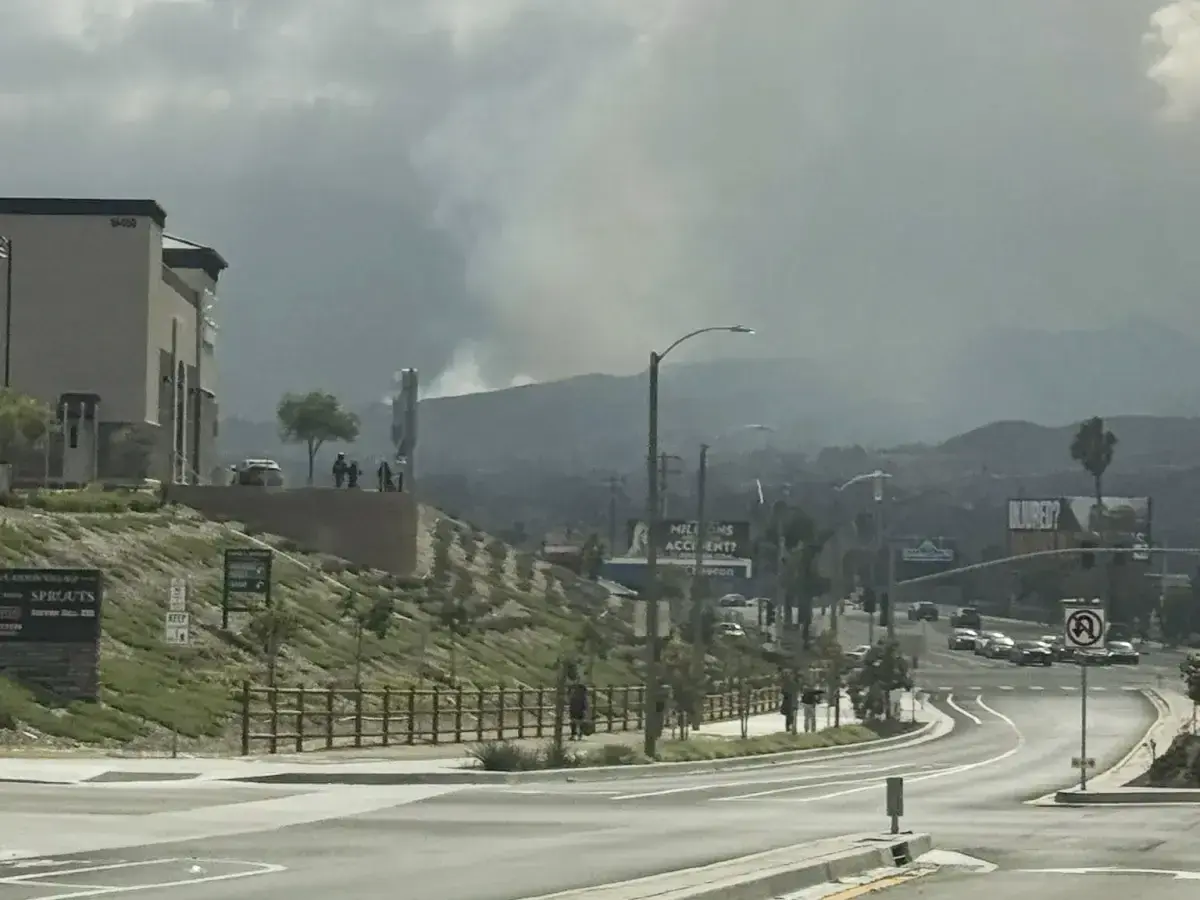
Wildfire Threat in California: Emergency Evacuations Ordered Near Los Angeles
Today in 09:33A fast-moving wildfire named "Bike" broke out near the city of Santa Clarita, just outside Los Angeles, California. Covering over 70 hectares in a short span, the blaze prompted emergency evacuation orders across eight local sectors. A temporary shelter has been established for displaced residents at the College of the Canyons in Santa Clarita while authorities investigate the cause of the fire.
Blitz