
Playlist

Authorities in Singapore are facing a growing challenge as the city’s crow population has reached unprecedented levels, causing widespread public distress. The birds, known for their high intelligence and cunning nature, have become increasingly difficult to manage. With an estimated 160,000 crows currently inhabiting the city-state, reports indicate a ratio of approximately one bird for every 38 residents, leading to a surge in official complaints.
The primary grievances of Singaporeans include constant noise pollution, unsanitary conditions, and increasingly bold attacks on pedestrians. Last year alone, over 2,000 incidents of bird-related aggression were documented. Wildlife experts point to the abundance of accessible food sources—such as outdoor food centers and improper waste disposal—as the driving force behind this rapid population growth, effectively turning urban areas into ideal breeding grounds.
In response, the government has intensified its mitigation efforts, including nest removal and large-scale trapping operations. In 2025, around 13,000 crows were captured, and authorities have even reinstated more drastic measures after a six-year hiatus. However, these interventions have shown limited success because of the birds' ability to recognize threats and develop avoidance behaviors, complicating traditional control methods.
Long-term resolution of the issue requires a shift in urban waste management and public behavior. Environmentalists emphasize that as long as food waste remains easily available, the crow population will continue to thrive despite culling efforts. Strengthening sanitation protocols in public dining areas is now seen as a critical component of the strategy to restore ecological balance and ensure public safety in the metropolitan area.
Also read



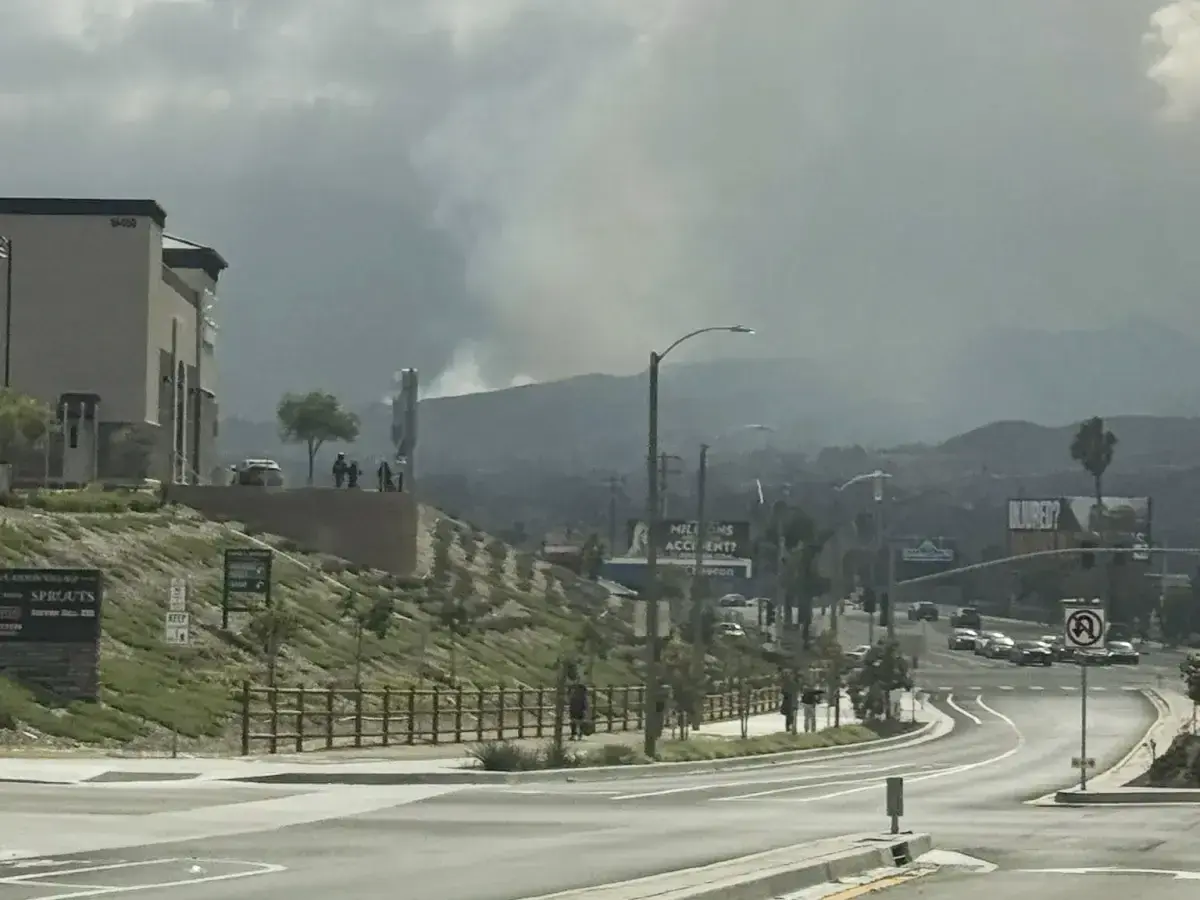
Wildfire Threat in California: Emergency Evacuations Ordered Near Los Angeles
Today in 09:33A fast-moving wildfire named "Bike" broke out near the city of Santa Clarita, just outside Los Angeles, California. Covering over 70 hectares in a short span, the blaze prompted emergency evacuation orders across eight local sectors. A temporary shelter has been established for displaced residents at the College of the Canyons in Santa Clarita while authorities investigate the cause of the fire.
Blitz