
Playlist

Shift in global obesity statistics reveals a reversal in socioeconomic trends
20 May. 09:23A comprehensive analysis of data from two hundred countries has demonstrated an unexpected shift in global public health dynamics. According to an international group of experts who analyzed long-term studies involving hundreds of millions of individuals, the traditional trajectory of weight-related health issues has fundamentally changed. While high-income nations have begun to witness a stabilization or decline in body mass index growth, developing regions and low-income countries are experiencing an alarming surge in obesity rates.
The positive trends observed in Western Europe, North America, and specific developed Asian nations are largely attributed to heightened health awareness and access to premium nutrition. Citizens in these affluent regions possess the financial means to prioritize balanced diets and sustainable lifestyles, with a deceleration in weight gain among younger demographics originating in the late 20th century. Conversely, developing territories across Asia, Africa, and Latin America are facing an inverse reality, where the most critical escalation is heavily concentrated among children and young adults.
Researchers identify rapid urbanization and alterations in food accessibility as the primary drivers of these negative trends in less affluent nations. The mass migration of rural populations to urban centers frequently results in more sedentary behavior, yet the foremost threat stems from the affordability of low-cost, calorie-dense, and highly processed dietary options. Fast-food alternatives and sugar-sweetened beverages increasingly replace traditional whole foods due to economic factors, rendering suboptimal nutrition an involuntary necessity for lower-income households.
The medical community emphasizes that excessive weight gain has transitioned from a historical marker of affluence into a defining burden for economically vulnerable societies. Pathological weight increase significantly heightens the risk of severe chronic conditions affecting the cardiovascular system, respiratory tracts, and vital organs. To mitigate a compounding healthcare crisis, experts urge governments to establish specialized national strategies that address the distinct socioeconomic contexts of their respective populations.
Also read
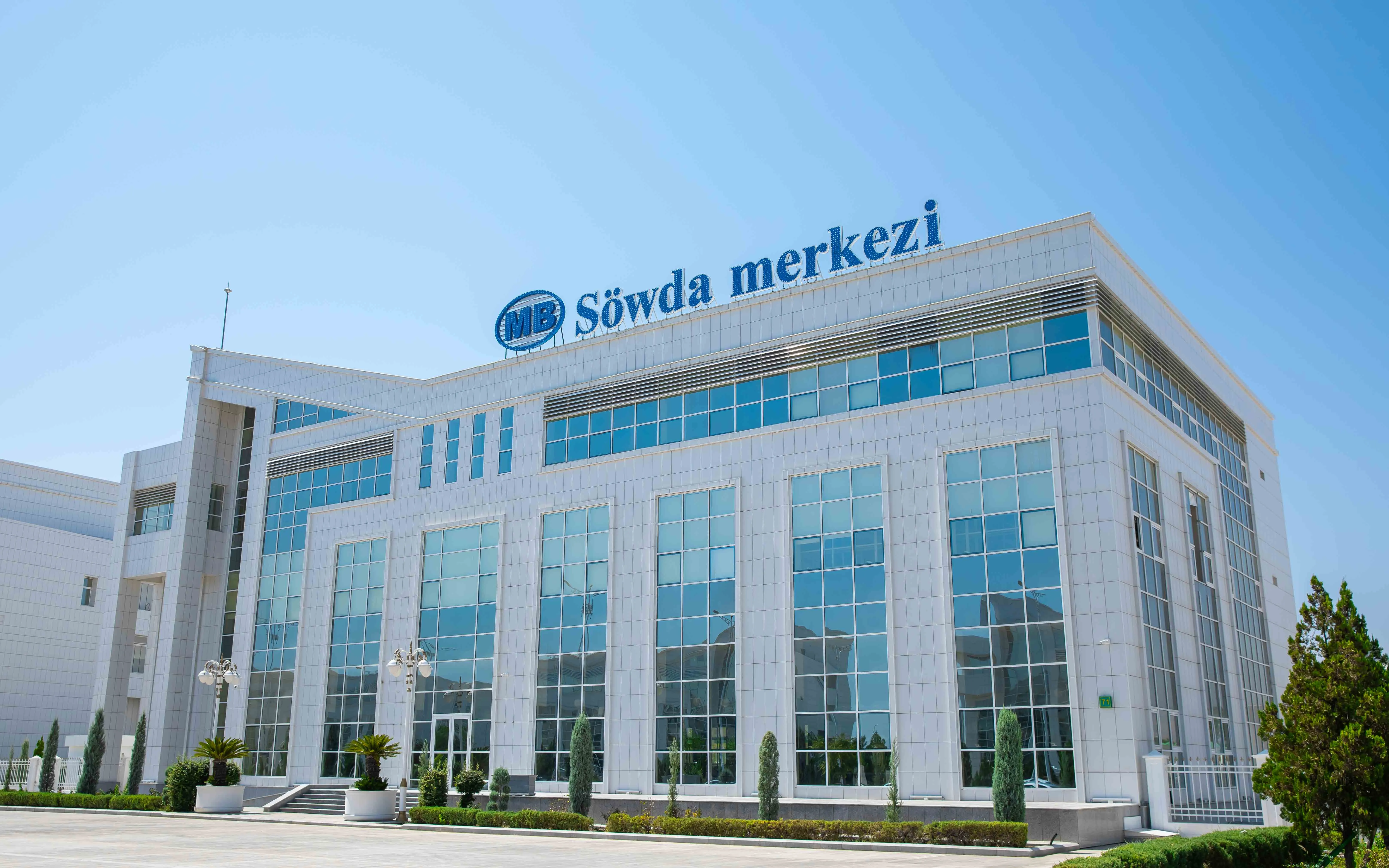


To mark the National Healthcare and Pharmaceutical Industry Workers' Day, Health Center No. 1 in Mary, located along Oguzkhan Street, was officially reopened following a comprehensive structural renovation. The inauguration ceremony brought together regional administration officials, members of parliament and the Halk Maslahaty, healthcare specialists, community elders, and local students. Festive musical and theatrical performances by cultural groups and young talents added to the celebratory atmosphere.
The newly reconstructed two-story medical complex is outfitted with state-of-the-art diagnostic and treatment rooms, family medicine suites, bacteriological and physiotherapy departments, as well as specialized laboratories. Equipped with advanced European medical technology, the center offers a full suite of services including ultrasound, echocardiography, electrocardiography, and endoscopy.
The renovation project was successfully carried out by the local private construction enterprise "Yhlasa Ynam." During the official ceremony, outstanding construction workers were awarded valuable commemorative gifts presented on behalf of the President of Turkmenistan.
Additionally, to boost mobile diagnostic capabilities in the region, a fully equipped "Mercedes-Benz" mobile medical unit featuring digital X-ray and fluorography technology was officially presented to the health center on behalf of the Head of State.
Blitz