
Playlist
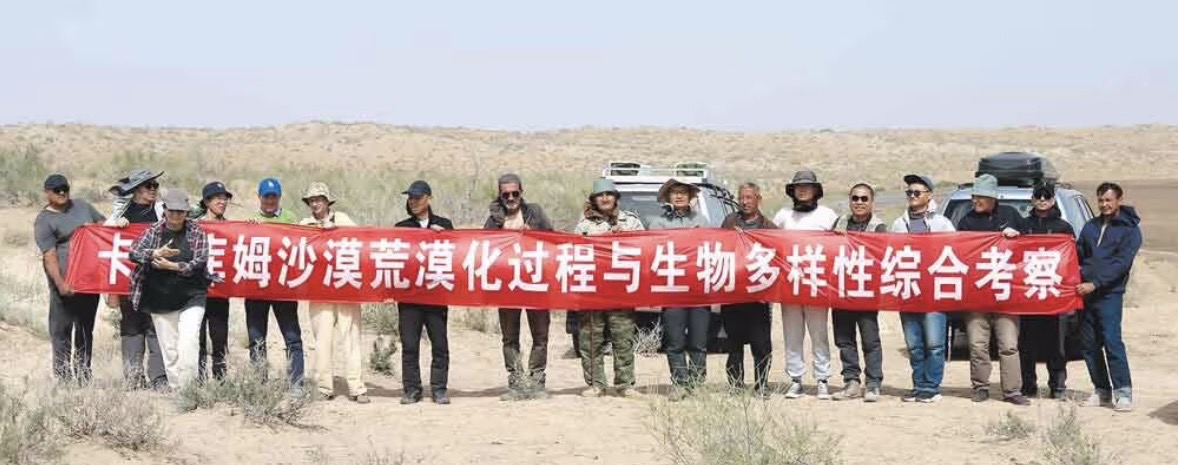
Scientists from Turkmenistan and China conduct joint scientific expedition to the Karakum Desert
11 Jun. 11:05Scientists from Turkmenistan and the People's Republic of China have successfully completed a joint research expedition aimed at exploring the unique ecological systems of the Karakum Desert.
This collaborative project was organized under the framework of an institutional agreement between the National Institute of Deserts, Flora, and Fauna of the Ministry of Environmental Protection of Turkmenistan and the Xinjiang Institute of Ecology and Geography of the Chinese Academy of Sciences.
The scientific materials collected during the field research will serve as a foundational data source for drafting the upcoming edition of the Red Data Book of Turkmenistan and compiling a comprehensive atlas of desert flora. Concurrently, the Chinese specialists gathered field data required for a comparative environmental analysis between the Karakum and Taklamakan deserts.
The strategic research route of the expedition covered key ecological zones in the Central Karakum, including:
The "Garrykul" experimental scientific site
The Bokurdak and Yerbent regions
The Darvaza gas crater
The Kaplankyr State Nature Reserve
The "Bereketli Karakum" State Nature Reserve
Throughout the field operations, the research team conducted a comprehensive monitoring of desert vegetation, studied regional reptile and bird populations, performed geobotanical observations, and collected soil samples for subsequent laboratory analysis.
The final leg of the scientific journey concluded at the historic Repetek Biosphere Reserve. The participants closely examined the reserve's natural history museum and extensive archival research funds, successfully concluding their field program before returning to Ashgabat.
Also read



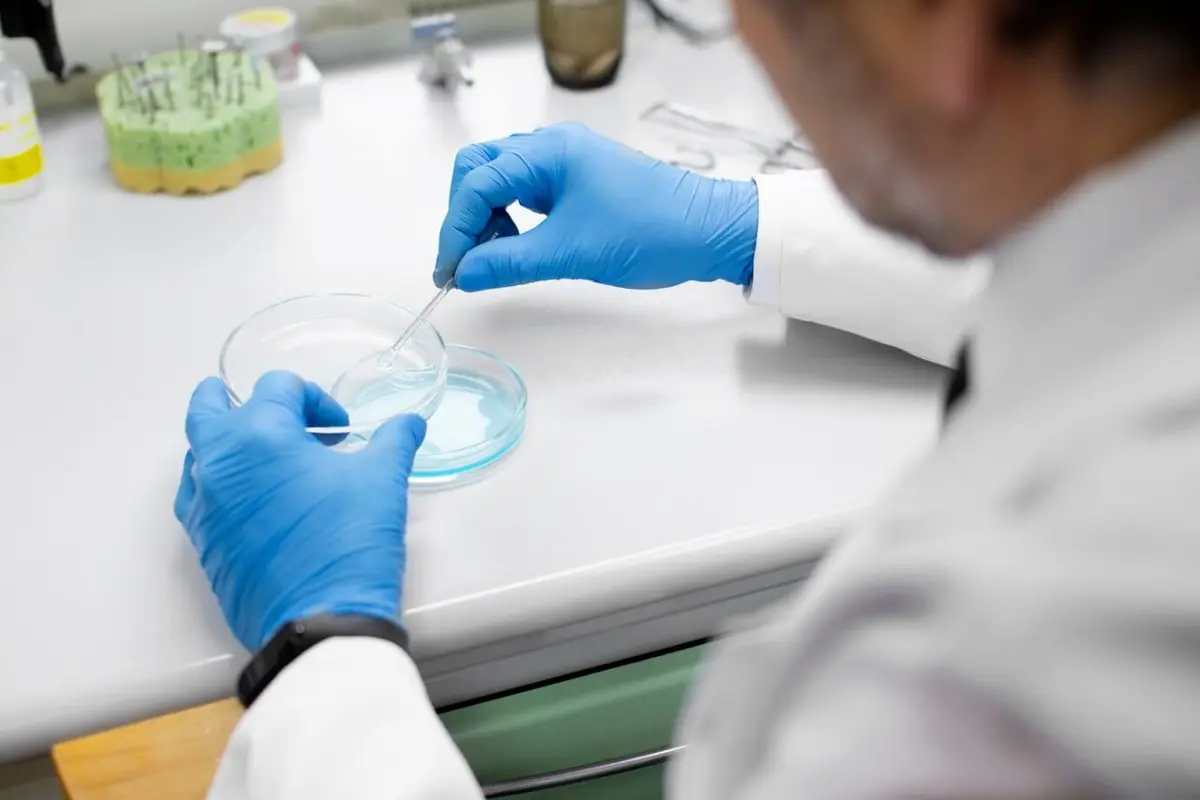
Specialists at the International Science and Technology Park of the Academy of Sciences of Turkmenistan, led by Durdymyrat Gadamov and Altyn Rahmanova, have developed a new-generation bio-agent designed to neutralize soil methane emissions. The solution utilizes local bacteria adapted to the regional climate, which harness methane monooxygenase to convert methane into carbon dioxide and water.
Methane is a major contributor to global warming, with a heat-trapping capacity in the atmosphere significantly higher than that of carbon dioxide. The newly developed bio-agent features high efficiency in industrially congested areas, cost-effectiveness through the use of local raw materials, and complete safety for human health and the environment.
This scientific breakthrough aligns with Turkmenistan's sustainable development strategy, supporting its commitments under the Global Methane Pledge to enhance environmental oversight in the energy sector.
Blitz