
Playlist
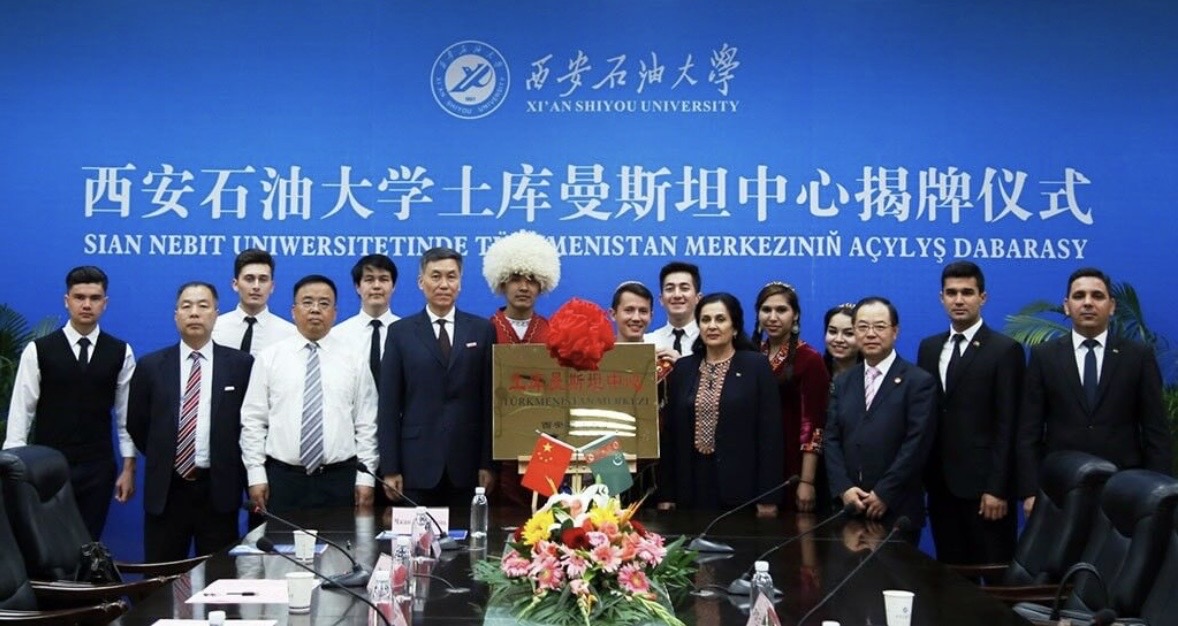
The Chairman of the Halk Maslakhaty of Turkmenistan, Gurbanguly Berdimuhamedov, shared updated figures regarding educational cooperation during an interview with the Chinese "CGTN" channel. According to the National Leader, more than 10,000 Turkmen citizens are currently pursuing their education in various prestigious academic institutions across the People's Republic of China. This highlights the growing academic exchange and the priority placed on training professional personnel through international partnerships.
Educational ties between the two nations extend beyond student enrollment to include language programs. Currently, the Chinese language is taught in 9 higher education institutions and 10 secondary schools in Turkmenistan. In a reciprocal gesture, Turkmenistan has expressed its readiness to support the organization of Turkmen language studies in Chinese universities, including sending qualified teachers and specialists. This initiative is viewed as a vital investment in the future of bilateral relations and a sign of enduring friendship.
Cultural and humanitarian cooperation remains a key pillar of the Turkmenistan-China strategic partnership. Supported at the highest state levels, both countries regularly organize Days of Culture, art festivals, and professional conferences. Negotiations are currently underway to establish cultural centers in both nations, which will further facilitate the exchange of ideas and values. This effort aims to provide a formal framework for citizens to engage more deeply with each other’s unique cultural heritage.
During the interview, special attention was also given to historical heritage, particularly the art of horse breeding, as a unique area of collaboration. Akhal-Teke horses, the national pride of the Turkmen people, have a long-standing historical significance in Chinese culture as well. Such historical connections, combined with modern educational initiatives, serve as a testament to the comprehensive nature of the partnership, fostering mutual understanding and a shared vision for future development.
Also read

A rye-wheat loaf preserved in a freezer for 36 years has been put on public display as part of the permanent exhibition at the Deutschlandmuseum in Berlin. Dubbed "The Last Loaf of the GDR," it was originally purchased on June 26, 1990, by student Michael Hagedorn, who bought an extra loaf fearing potential food shortages amidst the economic unification of East and West Germany.
The museum's director, Robert Rückel, described the unusual artifact as a unique poignant symbol of everyday human decisions during times of monumental geopolitical change. To maintain its preserved state, the museum installed a custom refrigeration unit where the historical loaf remains permanently frozen for visitors to view.
Blitz