
Playlist
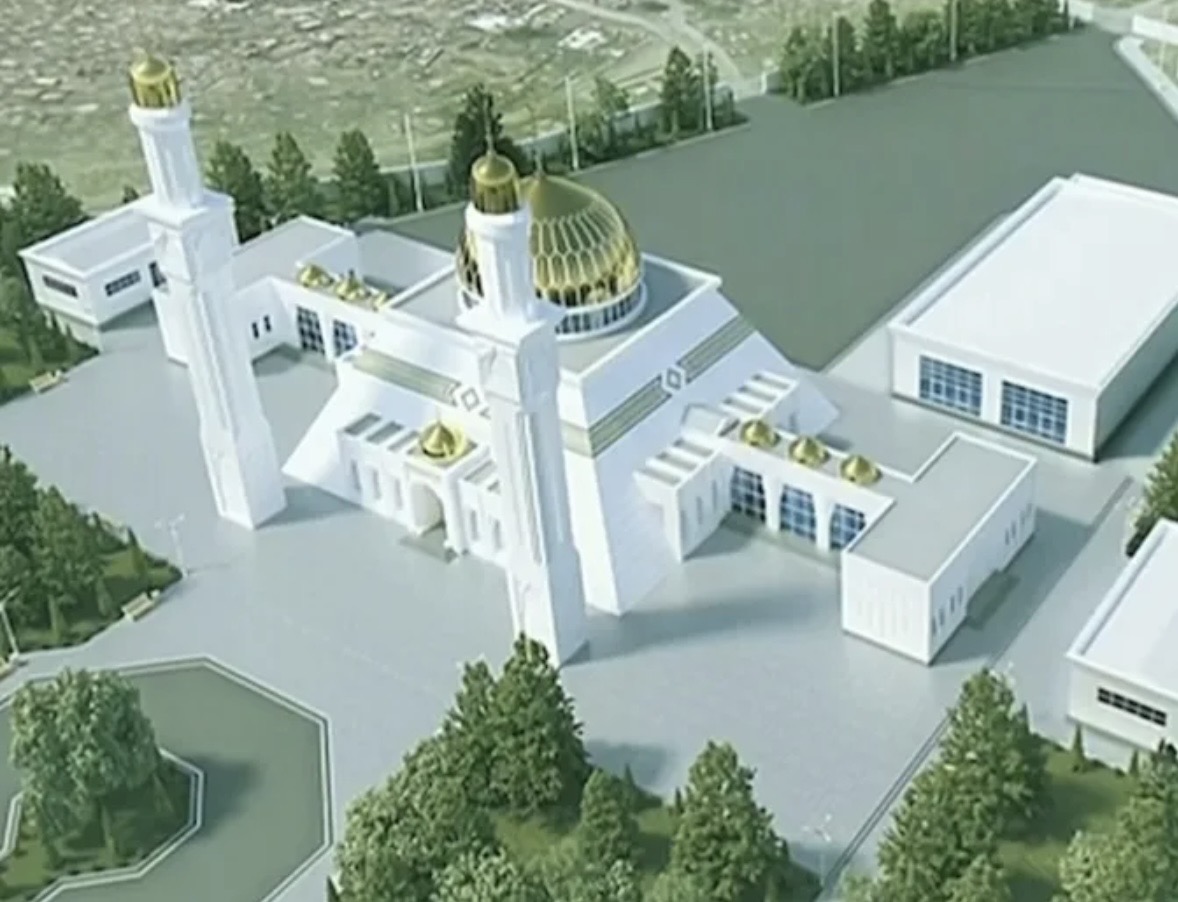
The "Shehitler" Mosque in Ashgabat, with a capacity for 500 worshippers, is currently undergoing an extensive modernization process. This project aims to enhance the facility's infrastructure and integrate contemporary architectural standards while preserving its spiritual significance. The renovation focuses on both aesthetic improvements and functional upgrades to provide a more comfortable environment for the community.
During a recent briefing to the Chairman of the Halk Maslakhaty of Turkmenistan, Gurbanguly Berdimuhamedov, updates were provided on the structural changes within the mosque. Specifically, the prayer hall has been expanded to accommodate a larger number of visitors effectively. The National Leader emphasized that the selection of construction and decorative materials must prioritize high quality and reflect the profound cultural and religious values of the nation.
In addition to the domestic project, Turkmen construction teams are making significant progress on a new mosque in Fuzuli, Republic of Azerbaijan. This structure is being built as a testament to the enduring friendship and brotherhood between the two nations. It was specifically advised that the decorative and finishing stages of the Fuzuli project should involve consultations with local residents to ensure the design resonates with their cultural preferences and architectural heritage.
These ongoing projects in both Ashgabat and Fuzuli highlight Turkmenistan's commitment to supporting spiritual infrastructure and international cooperation. The upgraded "Shehitler" Mosque will serve as a modern landmark in the capital, while the collaborative project in Azerbaijan strengthens regional ties. Both initiatives are being executed with meticulous attention to detail, ensuring they meet the highest standards of modern construction and cultural authenticity.
Also read


Modern Maternal and Child Healthcare Center Opens Its Doors in Balkanabat
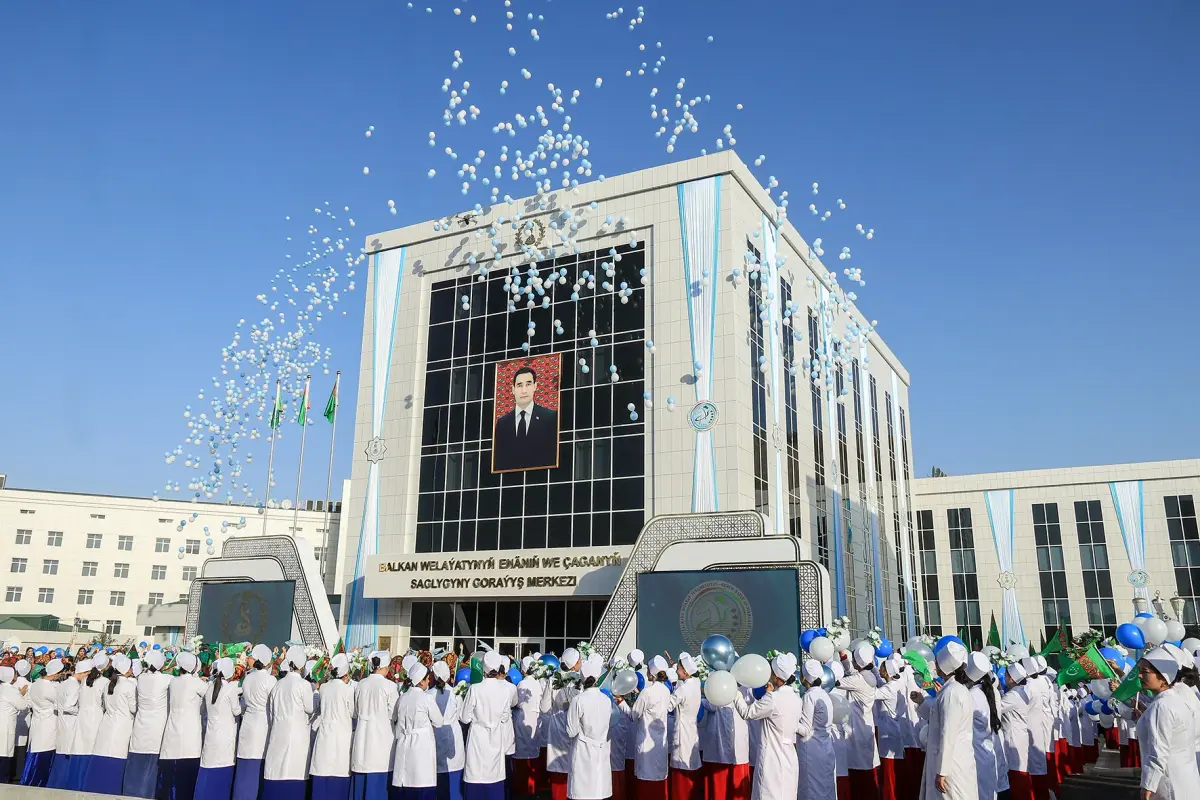
Today in 08:38In celebration of the National Healthcare and Pharmaceutical Industry Workers' Day, a state-of-the-art Maternal and Child Healthcare Center was officially inaugurated in the city of Balkanabat. The landmark event gathered regional and municipal officials, members of the Halk Maslahaty and Parliament, healthcare professionals, and community leaders. The opening ceremony featured festive cultural performances, musical numbers, and traditional Kushtdepdi dances.
The newly constructed medical complex consists of four- and five-story buildings designed to accommodate up to 305 patients. The center houses comprehensive maternity and postnatal wards, a gynecology division, pediatric units, and diagnostic consultation departments. The facility is equipped with advanced medical technology, including MRI, CT scanners, digital mammography, and fluorography units.
Notably, the center features the region's first 10-bed neonatal intensive care unit, fully outfitted with "Medicor" incubators from Hungary and high-precision German monitoring systems. These technologies allow medical staff to continuously monitor vital stats, body temperature, oxygen saturation, and respiratory functions of newborns.
During the ceremony, outstanding builders from the "Shadiyan Gurlushyk" enterprise were honored with gifts on behalf of the President of Turkmenistan, who also donated a new fleet of vehicles to support the medical center's operations.
Blitz