
Playlist

Medical specialists identify significant musculoskeletal risks associated with using dual smartphones
06 Jun. 14:00Operating two mobile devices simultaneously poses direct threats to physical health, potentially inducing chronic bone and wrist disorders. According to leading orthopedic surgery specialists, using dual smartphones compromises standard biomechanical ergonomics and reinforces repetitive strain on the upper extremities. This constant muscular engagement places irregular tension on the hands, causing prolonged structural fatigue in the joints.
From a clinical perspective, managing multiple handheld devices significantly increases the risk of developing conditions such as tendinitis, carpal tunnel syndrome, and trigger finger (Stenosing tenosynovitis). Medical professionals note that the repetitive gripping motions required to handle two screens simultaneously cause micro-trauma to the tendons. Furthermore, managing separate devices effectively doubles a user's daily screen time, compounding the neurological and physical fatigue associated with excessive gadget dependency.
Despite these established physiological risks, the consumer trend of maintaining two separate mobile connections continues to accelerate internationally. Recent market research indicates that the demographic of users carrying dual smartphones has steadily grown by several percentage points over the consecutive fiscal years. Industry analysts attribute this behavioral shift to a widespread structural effort by professionals to compartmentalize their occupational obligations from their personal lives.
Cybersecurity experts also support the operational logic behind separating digital identities onto individual hardware units. Utilizing dedicated corporate devices allows enterprises to implement rigid data loss prevention protocols and safeguard internal digital assets effectively. Concurrently, this structural separation protects employee privacy by preventing organizational surveillance systems from accessing personal communications, private imagery, and off-duty activities.
Also read

Modern Maternal and Child Healthcare Center Opens Its Doors in Balkanabat
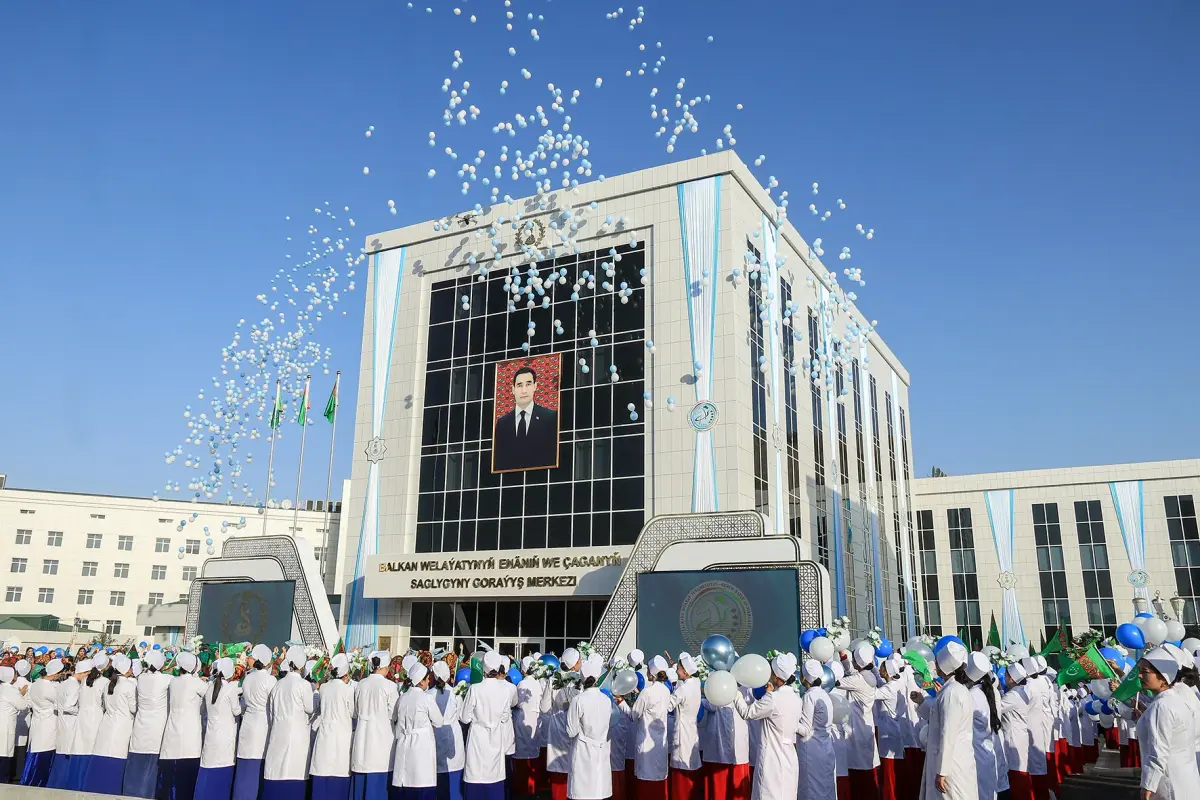
Today in 08:38In celebration of the National Healthcare and Pharmaceutical Industry Workers' Day, a state-of-the-art Maternal and Child Healthcare Center was officially inaugurated in the city of Balkanabat. The landmark event gathered regional and municipal officials, members of the Halk Maslahaty and Parliament, healthcare professionals, and community leaders. The opening ceremony featured festive cultural performances, musical numbers, and traditional Kushtdepdi dances.
The newly constructed medical complex consists of four- and five-story buildings designed to accommodate up to 305 patients. The center houses comprehensive maternity and postnatal wards, a gynecology division, pediatric units, and diagnostic consultation departments. The facility is equipped with advanced medical technology, including MRI, CT scanners, digital mammography, and fluorography units.
Notably, the center features the region's first 10-bed neonatal intensive care unit, fully outfitted with "Medicor" incubators from Hungary and high-precision German monitoring systems. These technologies allow medical staff to continuously monitor vital stats, body temperature, oxygen saturation, and respiratory functions of newborns.
During the ceremony, outstanding builders from the "Shadiyan Gurlushyk" enterprise were honored with gifts on behalf of the President of Turkmenistan, who also donated a new fleet of vehicles to support the medical center's operations.
Blitz