
Playlist
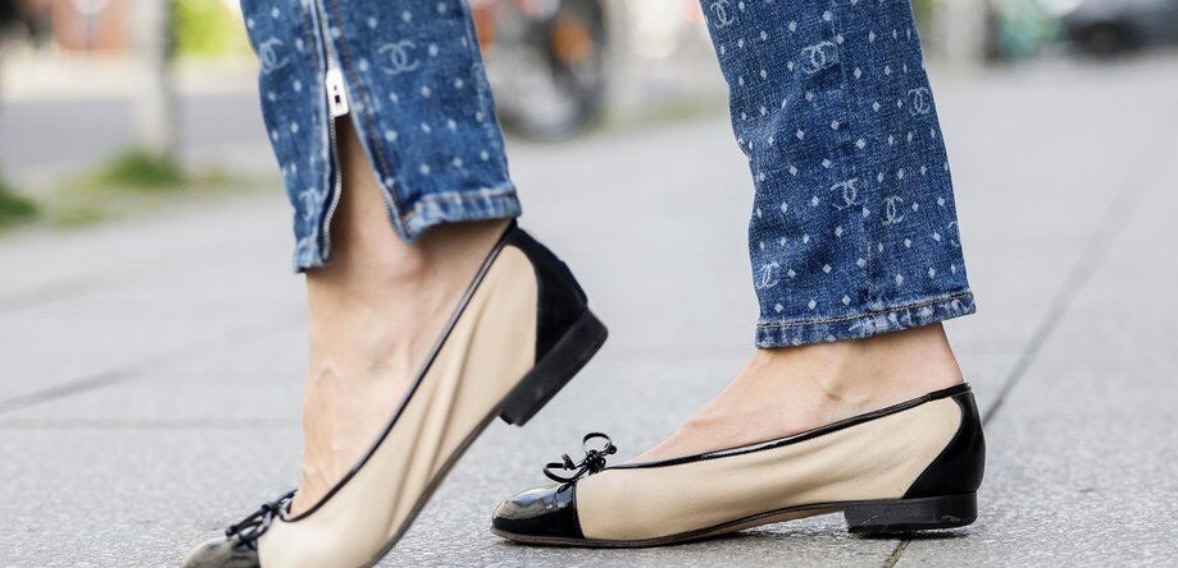
Medical Experts Warn Against Chronic Use of Flat Footwear Due to Podiatric Risks
10 Jun. 07:14Medical practitioners have raised concerns regarding the prolonged usage of thin, flat-soled shoes, commonly referred to as ballet flats. According to recent clinical assessments, consistent reliance on this type of footwear serves as a primary catalyst for chronic lower-limb discomfort, structural misalignment, and permanent physical alterations of the foot.
Podiatric specialists point out that footwear completely lacking an elevated heel or structural arch support fails to absorb impact forces during movement. Each step taken transfers mechanical stress directly to the heel and plantar fascia, simulating the effect of walking on rigid surfaces without protection. Over extended periods, this cumulative stress results in severe heel pain and structural flattening.
Furthermore, orthopedists emphasize that the narrow toe box characteristic of these shoes heavily restricts the natural alignment of the toes. The constant confinement diminishes necessary lateral movement, leading to joint deviations, ingrown toenails, and chronic blistering. This localized pressure significantly compromises the structural integrity of the forefoot over time.
To mitigate corporate and lifestyle-induced podiatric issues, health professionals urge consumers to prioritize ergonomic footwear parameters. Essential criteria for purchasing shoes include selecting models that accurately match individual anatomical dimensions, provide reliable heel stabilization, and incorporate balanced, shock-absorbing midsoles to maintain natural posture.
Also read




American researchers have initiated trials for a new pharmaceutical compound designated as ENV-308, designed to replicate the physiological effects of intensive physical training. Formulated in tablet form, the medication aims to trigger the body's metabolic responses similar to those experienced during exercise.
Scientists at Enveda utilized the Lac-Phe molecule as the core component for this development. Naturally produced by the body during vigorous exertion, this molecule transmits signals to the brain that suppress appetite and signal satiety.
Preclinical trials conducted on animal models demonstrated significant positive results. The tablets effectively reduced hunger levels and facilitated weight loss while entirely preserving existing muscle mass.
Researchers have successfully completed the first phase of clinical trials, confirming the safety of the drug for human use. Future studies will focus on evaluating the compound's impact on metabolism and exploring its potential combination with established therapeutics such as Ozempic.
Blitz