
Playlist
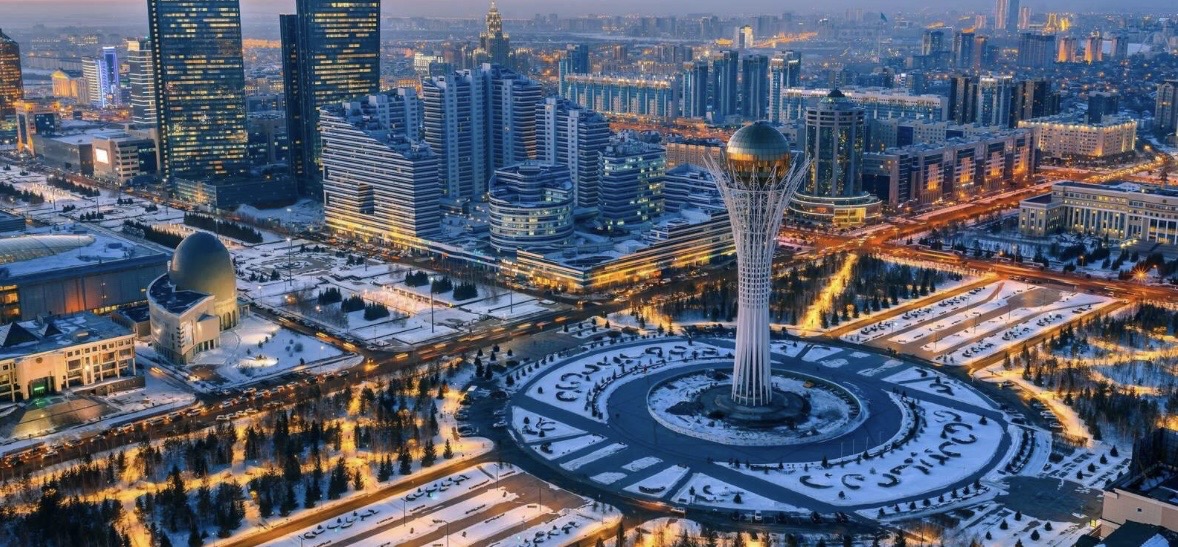
Kazakhstan to Introduce "Golden Visa" for International Experts and Investors
06 May. 15:58The government of Kazakhstan has announced the development of a strategic "Golden Visa" system designed to facilitate the residency and employment of high-level foreign professionals and investors. According to Aida Balayeva, the Minister of Culture and Information, this initiative aims to bolster the national economy by attracting global talent. The new program focuses on creating a seamless environment for those whose expertise is vital to the country's industrial and technological advancement.
A key component of this new system is the complete digitalization of the application process through a "single window" principle. This approach is intended to significantly accelerate the processing of documents and reduce administrative hurdles for applicants. Furthermore, the authorities plan to simplify the recognition of foreign academic degrees and professional certifications for individuals working in critical sectors, ensuring that global standards are integrated into the local workforce more efficiently.
The "Golden Visa" is specifically tailored for investors and experts in fields such as information technology, engineering, manufacturing, and medicine. By providing more stable and long-term residency options, Kazakhstan hopes to secure a steady influx of capital and modern technical skills. This program targets those capable of contributing to large-scale infrastructure projects and high-tech industries, positioning the country as a competitive hub for international business.
Currently, Kazakhstan hosts over 240,000 foreign nationals with permanent residency permits, with approximately 40% of this population being citizens of the Russian Federation. The most popular destinations for foreign residents are the metropolitan hubs of Almaty and Astana. Additionally, regions with strong industrial bases, including Karaganda, Kostanay, and Pavlodar, continue to attract a significant number of foreign specialists due to the concentration of production facilities and economic opportunities.
Also read


A rye-wheat loaf preserved in a freezer for 36 years has been put on public display as part of the permanent exhibition at the Deutschlandmuseum in Berlin. Dubbed "The Last Loaf of the GDR," it was originally purchased on June 26, 1990, by student Michael Hagedorn, who bought an extra loaf fearing potential food shortages amidst the economic unification of East and West Germany.
The museum's director, Robert Rückel, described the unusual artifact as a unique poignant symbol of everyday human decisions during times of monumental geopolitical change. To maintain its preserved state, the museum installed a custom refrigeration unit where the historical loaf remains permanently frozen for visitors to view.
Blitz