
Playlist

The Government of Kazakhstan has officially expanded its national calendar of holidays by establishing the Day of the Kazakh Tazy and Tobet. Observed annually on September 3rd, this newly created celebration aims to safeguard and promote the country’s unique canine heritage. The decree reflects a strategic commitment to preserving ancient breeds that have played a vital role in the nomadic lifestyle of the Kazakh people.
The specific choice of September 3rd as the date for this observance is deeply connected to a recent milestone in the international canine community. On this day in 2024, the International Cynological Federation (FCI) granted preliminary recognition to the Kazakh Tazy as an official breed. This recognition solidified Kazakhstan's role as the primary custodian of the breed standard, marking a decisive victory in the nation’s long-term effort to achieve full global recognition for its native dogs.
The Tazy, a highly specialized Eastern sighthound used for hunting, and the Tobet, an ancient breed of Central Asian shepherd dog, are regarded as living symbols of national history. The Ministry of Ecology of Kazakhstan emphasized that the formal establishment of this day serves as a platform for cultural education and environmental stewardship. By honoring these breeds, the state intends to promote traditional hunting and herding practices that define the regional identity.
Furthermore, the initiative is expected to provide a significant boost to the domestic cynological industry and related professional services. The development of specialized breeding centers and educational infrastructure is projected to create new employment opportunities and generate additional tax revenue. The annual celebrations will feature a wide array of activities, including pedigree exhibitions, academic seminars, and veterinary workshops focused on the specific biological and historical traits of these legendary dogs.
Also read



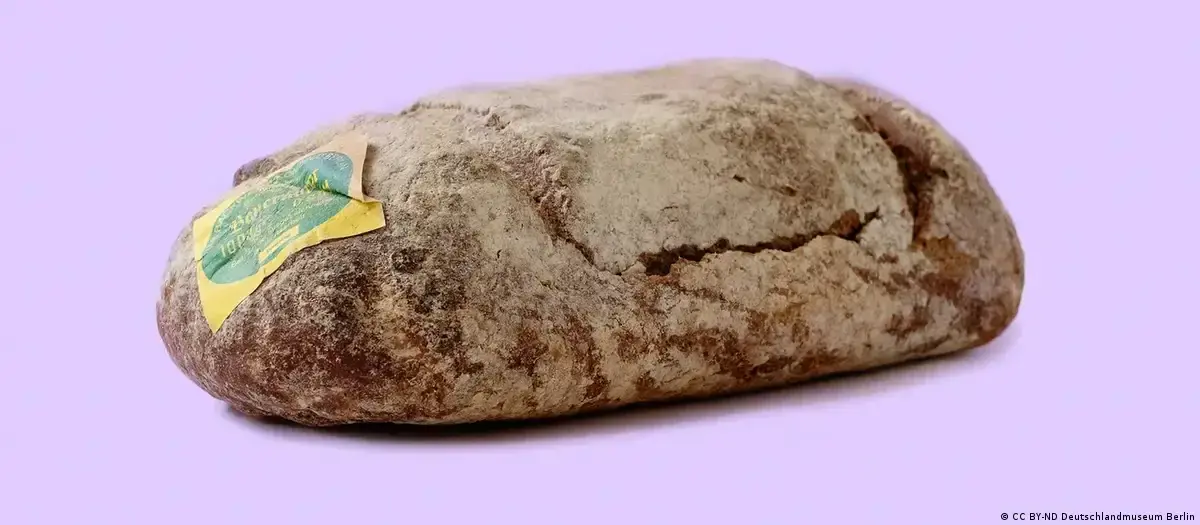
A rye-wheat loaf preserved in a freezer for 36 years has been put on public display as part of the permanent exhibition at the Deutschlandmuseum in Berlin. Dubbed "The Last Loaf of the GDR," it was originally purchased on June 26, 1990, by student Michael Hagedorn, who bought an extra loaf fearing potential food shortages amidst the economic unification of East and West Germany.
The museum's director, Robert Rückel, described the unusual artifact as a unique poignant symbol of everyday human decisions during times of monumental geopolitical change. To maintain its preserved state, the museum installed a custom refrigeration unit where the historical loaf remains permanently frozen for visitors to view.
Blitz