
Playlist
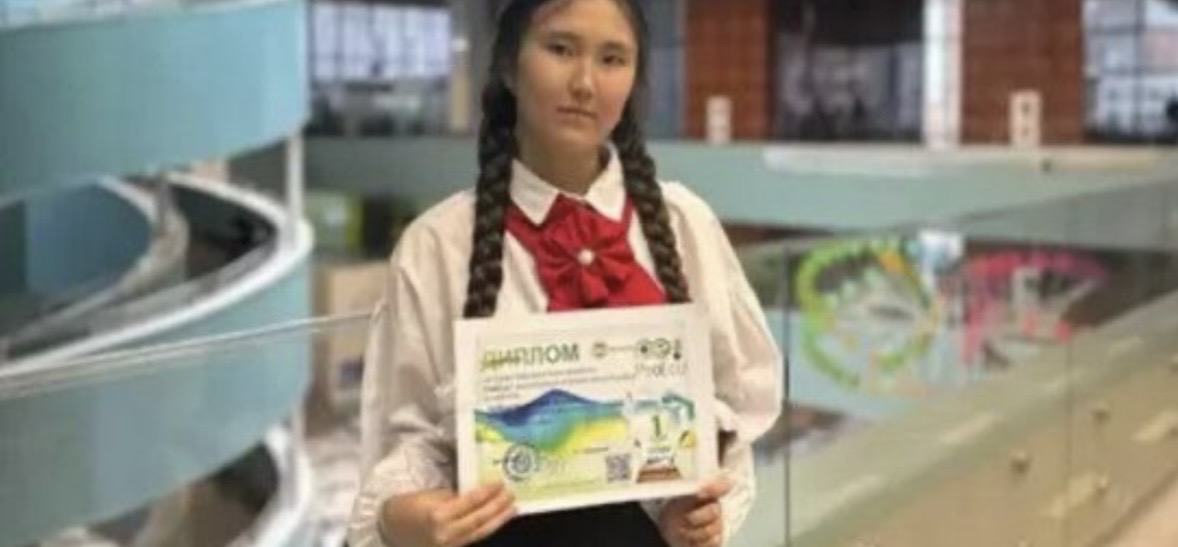
Arujan Kabdulmaratova, a 10th-grade student from Ayagoz, Kazakhstan, has introduced a pioneering method to utilize recycled plastic waste in road construction. The project addresses two critical challenges: environmental pollution caused by plastic and the need for more durable transportation infrastructure. Her proposal suggests a shift toward sustainable engineering by repurposing non-biodegradable materials into high-performance construction components.
The proposed technique involves incorporating processed plastic waste into asphalt mixtures, which enhances the pavement's resistance to wear and environmental stress. This additive improves the flexibility of the road surface, making it less prone to cracking compared to traditional materials. Furthermore, the implementation of this method is expected to significantly lower overall production costs, offering a cost-effective alternative for urban and regional development.
Calculations indicate that roads built with this plastic-composite technology could last between 12 and 18 years, with a potential lifespan of up to 25 years under optimal conditions. To complement the construction process, the student also proposed a robotic maintenance system consisting of two specialized units: one for detecting structural damage and another for performing automated repairs. This integration of robotics aims to enhance the efficiency of road monitoring and maintenance.
While the concept of plastic-blended roads has been explored previously by international firms, particularly in the United Kingdom, Kabdulmaratova’s project brings a fresh perspective through its emphasis on automated maintenance. Her research highlights the growing potential for youth-led innovation in environmental science and infrastructure. If implemented, this method could serve as a model for sustainable urban planning and effective waste management in the region.
Also read




Blitz