
Playlist
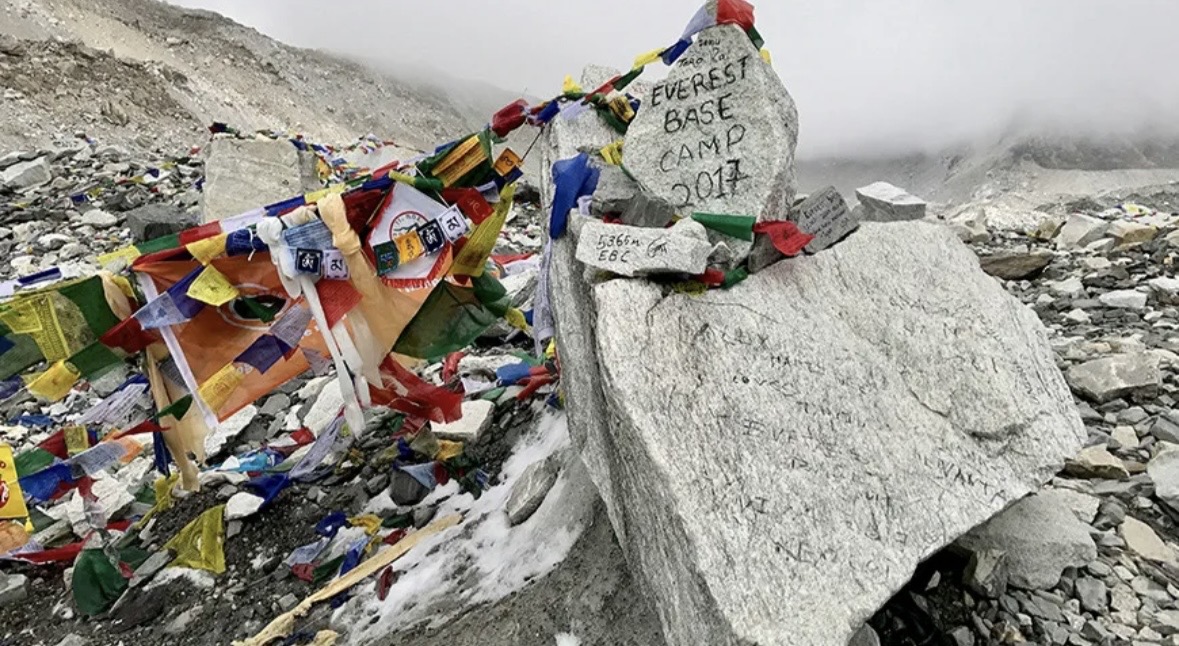
The government of Nepal has introduced a mandatory regulation for Everest climbers, requiring them to bring down at least 2 kilograms of trash when descending from Camp II (6400–6750 m). As reported by The Himalayan Times, this new rule was announced by the Sagarmatha Pollution Control Committee (SPCC) following extensive consultations with environmental experts and stakeholders. The move aims to mitigate the growing environmental crisis on the world's highest peak.
Existing regulations already required mountaineers to submit 8 kilograms of waste at the base camp after completing their expeditions. The new directive, however, specifically targets the higher reaches of the mountain. SPCC CEO Shering Sherpa explained that the additional 2 kilograms of trash must be collected from Camp III and Camp IV, which are among the most challenging and debris-laden areas on the ascent to the summit.
To ensure strict compliance with these new environmental standards, a specialized team will be stationed at Camp II during the peak climbing season. These monitors will be responsible for weighing the trash brought down by each climber and verifying that all participants are meeting their obligations. This proactive approach is expected to significantly reduce the accumulation of discarded gear and supplies in the high-altitude "death zone."
Local authorities emphasize that the surge in the number of climbers has turned waste management on Everest into a critical ecological challenge. Leftover oxygen canisters, tents, and food packaging not only mar the mountain's natural beauty but also pose a threat to the purity of downstream water sources. These stringent measures represent a vital step toward preserving the environmental integrity of Everest for future generations of adventurers.



Nationwide Ground Stop Halts US Air Travel for Four Hours Following Major Telecommunications Failure
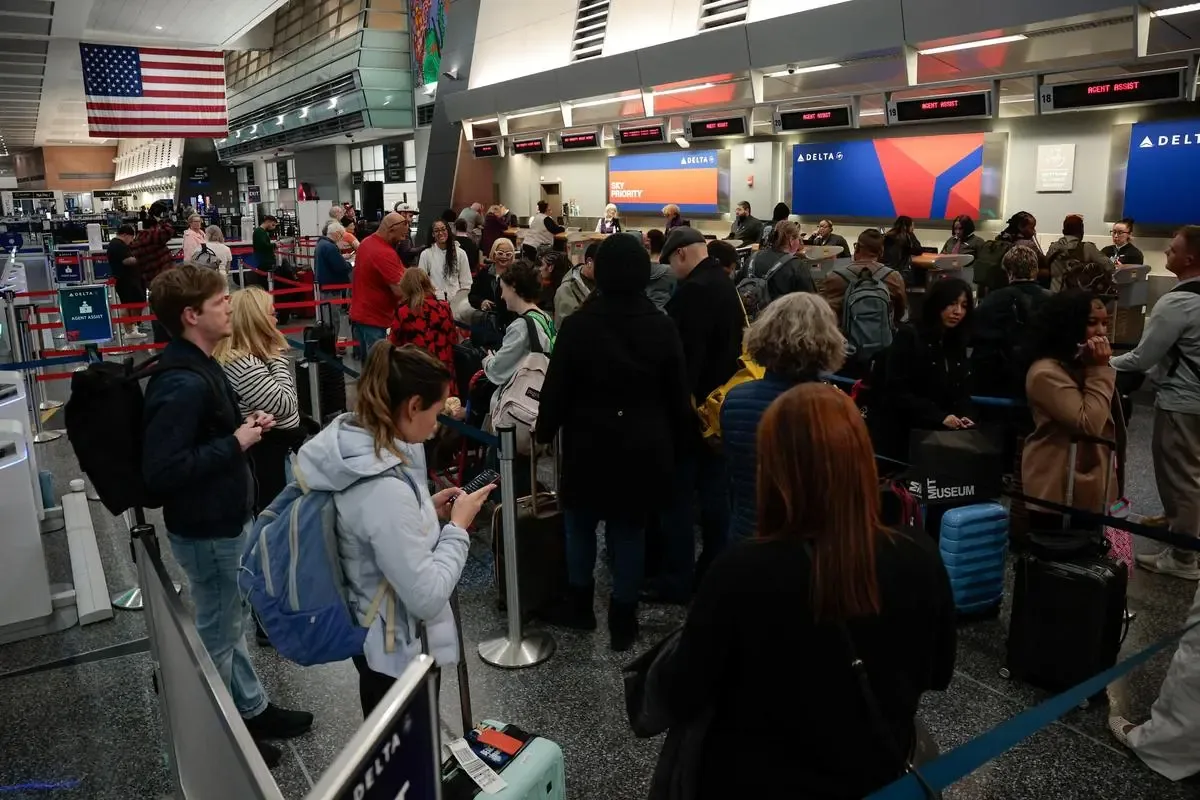
14 Nov. 07:16The United States Federal Aviation Administration (FAA) has officially lifted a nationwide ground stop that halted departures across all American airports for roughly four hours. According to CNN, the sweeping emergency suspension triggered severe disruptions throughout domestic and international aviation networks. During the four-hour freeze, airlines were forced to cancel more than 6,000 flights arriving in or departing from the United States.
Industry estimates indicate that the disruption directly impacted at least 1.5 million travelers—a figure that accounts solely for passengers whose flights were outright canceled, excluding the vast numbers affected by cascading delays. While investigators continue to determine the exact root cause of the incident, preliminary technical assessments point to a widespread failure of network routers that resulted in a major telecommunications outage, prompting the FAA to ground all outbound air traffic as a safety precaution.
Addressing concerns over potential external interference, US Secretary of Homeland Security Markwayne Mullin stated that federal authorities have found no evidence suggesting a malicious attack was behind the outage. He further clarified that the aviation communications breakdown is entirely unrelated to the widespread Microsoft system disruption that occurred earlier on November 13.
Blitz