
Playlist
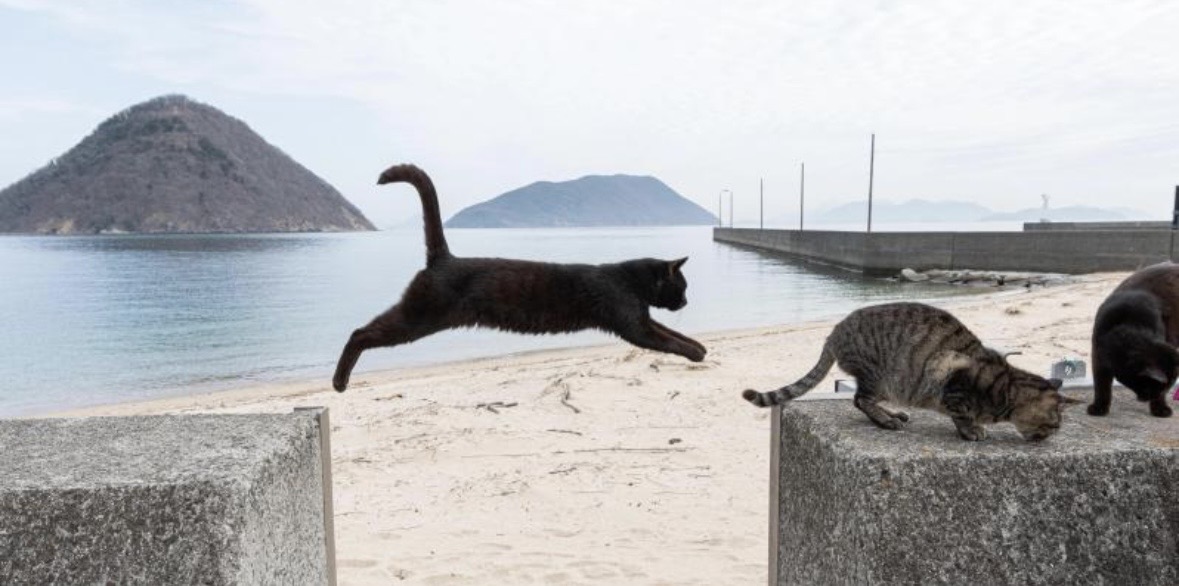
Researchers at Yamaguchi University in Japan have provided a new scientific explanation for why cats consistently land on their feet. The study, published in the journal "The Anatomical Record," delves into the biomechanics of the feline spine and its role in mid-air orientation. This innate ability, known as the righting reflex, is attributed to the specialized flexibility and structural division of the animal's skeletal framework.
The research involved high-speed camera analysis and motion-tracking markers to observe the movements of cats during a descent. Findings indicate that the thoracic region of the spine is significantly more flexible than the lumbar region. This anatomical disparity allows the cat to twist its body in two distinct phases: first, the agile front section turns toward the ground, followed by the rotation of the rear section.
During this process, the stiffer lumbar spine acts as a stabilizer, providing the necessary torque for the maneuver. The lightweight nature of the cat’s forebody further facilitates this rapid reorientation, enabling the animal to align its limbs with the landing surface in a fraction of a second. This sequential rotation ensures that the impact is distributed across all four legs, minimizing the risk of injury.
Beyond biology, the insights gained from this study hold great promise for the fields of robotics and medical rehabilitation. Engineers aim to apply these principles to develop robots capable of advanced aerial maneuvers and complex rotations. Additionally, the data will aid veterinarians in developing more effective treatments for spinal cord injuries in animals, showcasing how evolutionary mechanics can influence modern technology and healthcare.
Also read
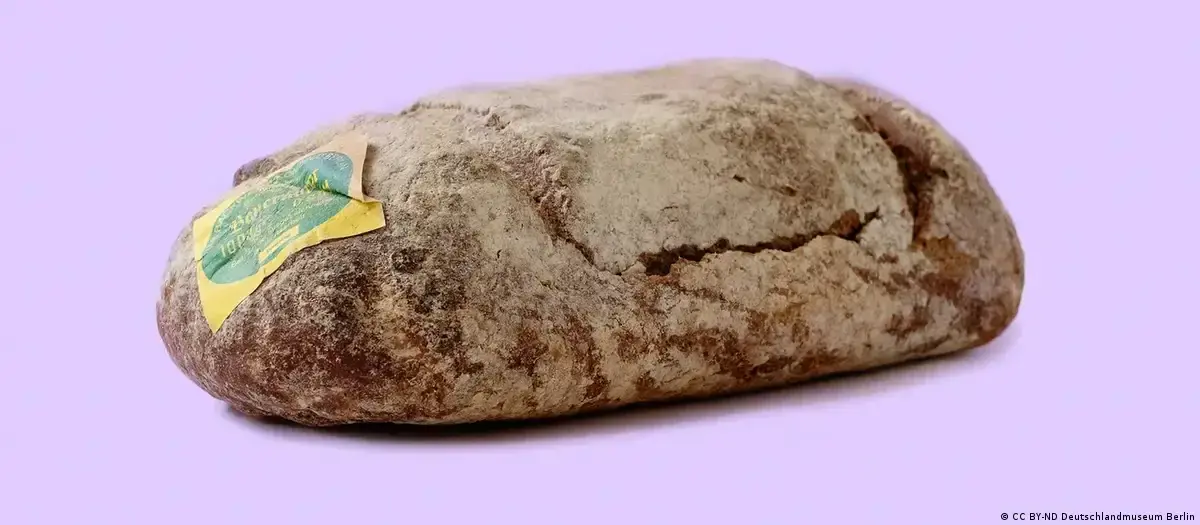
A rye-wheat loaf preserved in a freezer for 36 years has been put on public display as part of the permanent exhibition at the Deutschlandmuseum in Berlin. Dubbed "The Last Loaf of the GDR," it was originally purchased on June 26, 1990, by student Michael Hagedorn, who bought an extra loaf fearing potential food shortages amidst the economic unification of East and West Germany.
The museum's director, Robert Rückel, described the unusual artifact as a unique poignant symbol of everyday human decisions during times of monumental geopolitical change. To maintain its preserved state, the museum installed a custom refrigeration unit where the historical loaf remains permanently frozen for visitors to view.
Blitz